Leuna Polyamid Insolvency Puts Germany’s PA6 Supply Chain Under Pressure
Leuna-Polyamid’s second insolvency filing highlights how raw material volatility, supplier payment pressure and fragile liquidity are reshaping Europe’s PA6 chain.

Leuna-Polyamid’s second insolvency filing highlights how raw material volatility, supplier payment pressure and fragile liquidity are reshaping Europe’s PA6 chain.
Lassonde is reducing packaging waste by using more recycled PET, smaller labels and clearer recycling instructions across key beverage and food products.
Denovia’s depolymerization technology highlights how chemical textile recycling could turn contaminated polyester waste into valuable reusable monomers.
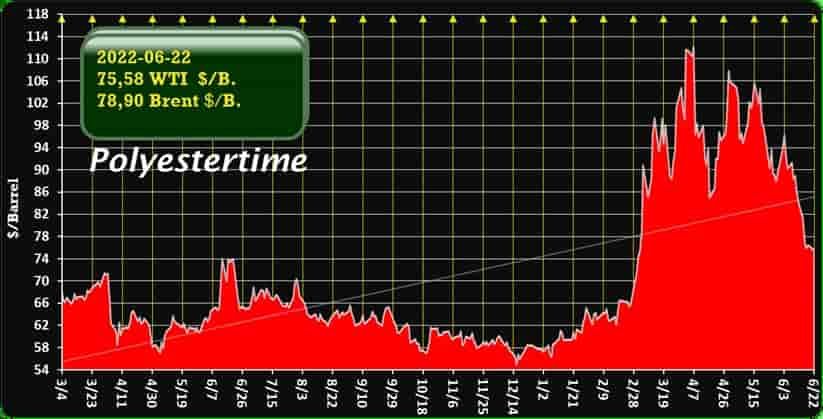
Oil prices have eased from recent crisis highs, with Brent around $79 and WTI near $76. But the U.S.–Iran conflict, the Strait of Hormuz and fragile diplomacy still leave global energy markets exposed to sudden shocks.
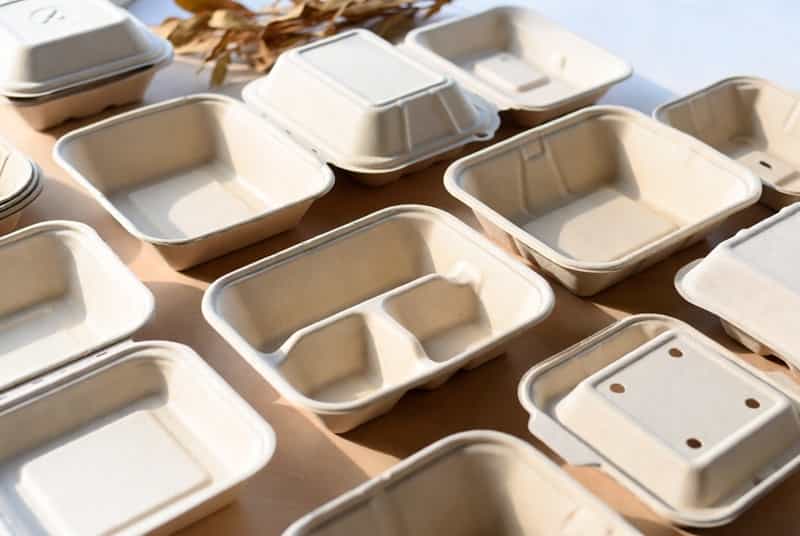
Bio-based packaging is moving from pilot projects into mainstream production, driven by plant-derived fibres, renewable inks, improved coatings, and new regulatory pressure on packaging waste.

The EU faces a major flexible packaging recycling gap as CEFLEX warns that 2.5 million tonnes of post-consumer recyclate may be needed by 2030. The challenge is no longer only recycling more, but building reliable markets that can use recycled material at scale.
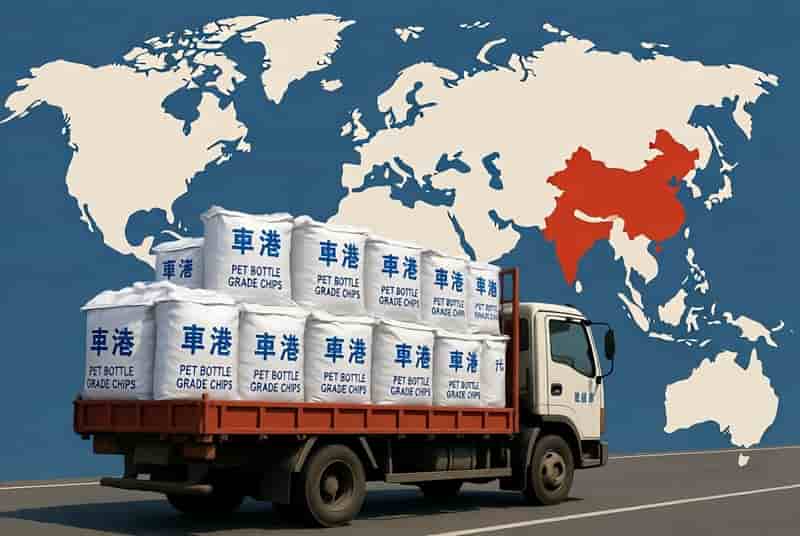
India has renewed anti-dumping protection on Chinese bottle-grade PET resin, extending a $200.66/t duty for five years after DGTR found continued dumping, rising imports and price undercutting.
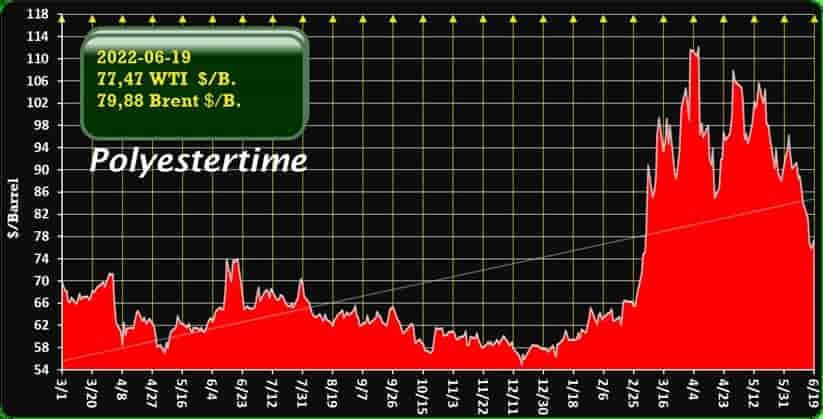
Brent and WTI have eased from wartime highs, but the oil market remains exposed to the US-Iran conflict, the reopening of the Strait of Hormuz, and fragile global supply chains.

SCS Standards and Assurance Systems has launched SCS-004, a new certification standard designed to verify responsible chemical recycling practices and improve trust in recycled plastics supply chains.