7 Major RecyClass Testing Breakthroughs Dramatically Improve Plastic Packaging Recyclability Across Europe
RecyClass strengthens plastic packaging recyclability standards after extensive scientific testing
The European recycling sector is undergoing rapid transformation, and plastic packaging recyclability is becoming a central priority for both regulators and industry. In response to these challenges, RecyClass has incorporated findings from more than twenty scientific testing campaigns conducted throughout 2025 into the latest update of its Design for Recycling Guidelines.
These updates cover the main plastic packaging streams used in Europe and aim to improve the compatibility of packaging designs with real sorting and recycling systems. At the same time, RecyClass revised its Recyclability Evaluation Protocols to ensure clearer testing procedures and greater repeatability.
By grounding its recommendations in real industrial conditions rather than theoretical models, RecyClass aims to significantly improve plastic packaging recyclability across the European packaging sector.
Science-based design guidelines support the circular plastics economy
Continuous testing plays a crucial role in building a circular economy for plastics. The updated guidelines help companies across the packaging value chain make more informed design decisions that improve sorting efficiency and maintain the quality of recycled materials.
Better design for recycling directly supports the goals outlined in the European Union’s Packaging and Packaging Waste Regulation (PPWR), which requires packaging placed on the market to be recyclable at scale.
By refining both guidelines and testing protocols, RecyClass is helping industry stakeholders align packaging innovation with the real capabilities of modern recycling infrastructure. This approach strengthens plastic packaging recyclability while increasing confidence in recycled material markets.
Sorting performance studies reveal critical insights
Sorting is one of the most decisive steps determining plastic packaging recyclability. Even recyclable materials can be lost if sorting systems cannot correctly identify and separate them.
To better understand these challenges, RecyClass conducted targeted testing campaigns evaluating the sorting behavior of metallised decorations used on packaging. Researchers also studied the rolling behavior of rigid plastic containers, which can influence how items move through automated sorting lines.
The results provide valuable information for packaging designers, helping ensure that packaging elements do not interfere with optical sorting systems used in recycling facilities.
Improving sorting performance ultimately strengthens plastic packaging recyclability by ensuring recyclable materials are directed into the correct recycling streams.
New PET bottle colour evaluation module introduced
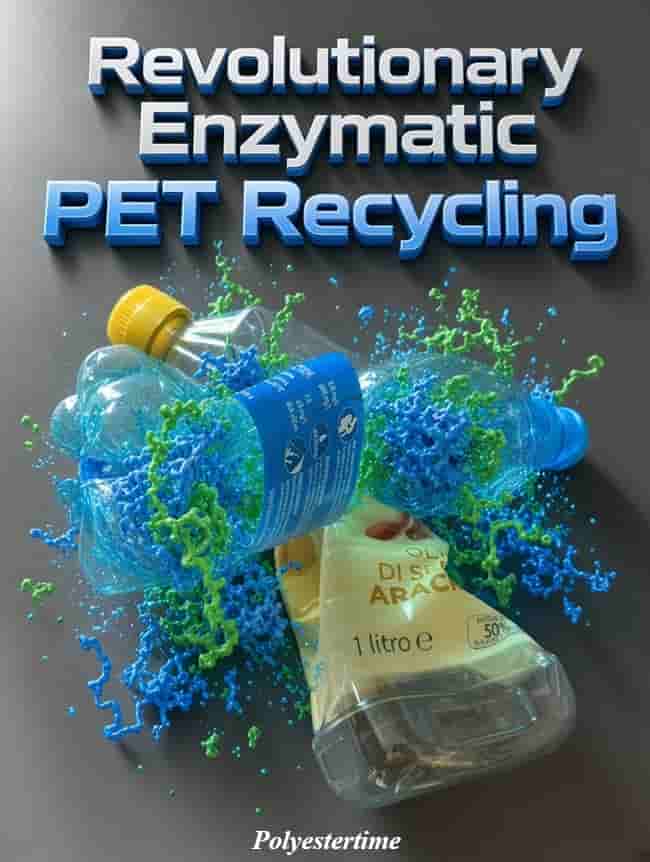
PET bottles remain one of the most widely recycled plastic packaging formats in Europe. Maintaining the purity of PET recycling streams is therefore essential for improving plastic packaging recyclability.
To support this objective, RecyClass introduced a new colour module within the Sorting Evaluation Protocol for PET bottles. This development helps protect valuable PET streams such as transparent, clear and light blue bottles.
These colour categories are highly desirable in recycling because they allow recycled PET to be reused in high-value applications. By preventing contamination of these streams, the new module contributes to higher recycling efficiency and improved material quality.
The initiative represents an important step in ensuring that packaging design decisions continue to support plastic packaging recyclability across PET recycling systems.
Major progress in flexible packaging recycling
Flexible packaging remains one of the most challenging areas for improving plastic packaging recyclability. Films made from polyethylene and polypropylene often include inks, coatings, and surface treatments that can interfere with recycling processes.
Recent RecyClass testing campaigns have delivered several important findings for flexible packaging design.
The studies confirmed the compatibility of PVB-based inks with both PE and PP film recycling streams. In addition, new recommendations were issued regarding electron beam treatment for polyethylene films.
Another significant update concerns printing on transparent films. After two years of testing various ink concentrations, RecyClass revised its recommendations to evaluate inks based on their proportion relative to the weight of the packaging rather than surface coverage.
This new approach offers greater flexibility for branding while preserving plastic packaging recyclability, making it easier for companies to design recyclable flexible packaging.
Updated compatibility guidance for rigid plastic containers
The updated RecyClass guidelines also address rigid plastic packaging across several important recycling streams, including HDPE, PP, PS and PET.
Testing campaigns examined direct printing on coloured containers, generating new recommendations to prevent disruption in recycling processes.
Within the PET recycling stream, researchers confirmed that PET closures used for bottles are fully compatible with current recycling technologies. This finding provides reassurance for packaging designers seeking to optimize bottle components for recycling.
Additional research focused on PET thermoforms and the compatibility of different sealant materials. Ethylene-vinyl acetate (EVA) was classified as fully compatible, while certain copolyesters were identified as non-compatible in some recycling scenarios.
These insights help manufacturers design packaging that improves plastic packaging recyclability while minimizing contamination risks in recycling facilities.
Continuous testing campaigns already underway for 2026
RecyClass continues to emphasize the importance of ongoing research to further enhance plastic packaging recyclability. Packaging materials and recycling technologies are constantly evolving, making continuous scientific evaluation essential.
New testing campaigns have already started in 2026, with additional projects planned throughout the year. These studies will further examine how packaging features interact with modern recycling systems and sorting technologies.
RecyClass is also encouraging greater participation from companies across the entire packaging value chain. Involving material suppliers, packaging converters, brand owners and recyclers helps ensure that guidelines reflect real industrial conditions.
This collaborative approach strengthens the scientific basis for improving plastic packaging recyclability across Europe.
A crucial step toward scalable circular packaging
The latest RecyClass updates demonstrate how scientific testing and collaboration can drive meaningful progress in the recycling sector. By translating research findings into practical design guidelines, the initiative helps companies develop packaging that performs effectively within existing recycling infrastructure.
As sustainability regulations become stricter and circular economy goals expand, improvements in plastic packaging recyclability will become increasingly important for the packaging industry.
With ongoing research and industry participation, RecyClass is helping create a future where plastic packaging can be efficiently collected, sorted and recycled at scale throughout Europe.
More…