Market Pressure and the Taco Trade: 7 Signals Trump Could End the Iran War
Markets Revive the Taco Trade Trump Phenomenon
Financial markets appear to be reviving a pattern that investors increasingly recognize: the Taco Trade Trump dynamic, where strong political threats are followed by rapid policy reversals when markets react negatively.
The expression Taco Trade Trump has become a shorthand among analysts and traders who believe markets can influence presidential decisions. The pattern first gained attention earlier this year during the World Economic Forum in Davos. At that time, global markets fell sharply after the White House raised tensions over Greenland and trade relations with Europe.
Within days, the tone changed dramatically. Military options were ruled out and tariff threats softened, helping markets recover.
Now, the same dynamic appears to be unfolding again—this time in a far more dangerous context: war in the Middle East.
War With Iran Tests the Limits of Market Influence
Unlike tariffs or trade disputes, military conflicts are far more difficult to reverse quickly. Yet recent statements from Washington suggest that market pressure may already be shaping the narrative.
During U.S. trading hours, the president told a national television network that the war with Iran could end very soon and described the military campaign as nearly complete. Later that evening, at a press conference in Florida, he again emphasized that the conflict was limited in scope.
These comments contrasted sharply with earlier statements from senior defense officials who had described the campaign as only the beginning of a broader operation.
For investors watching the Taco Trade Trump pattern, the sudden shift in tone was familiar.
Oil Prices Become the Critical Pressure Point
Energy markets have been one of the strongest indicators driving the Taco Trade Trump discussion.
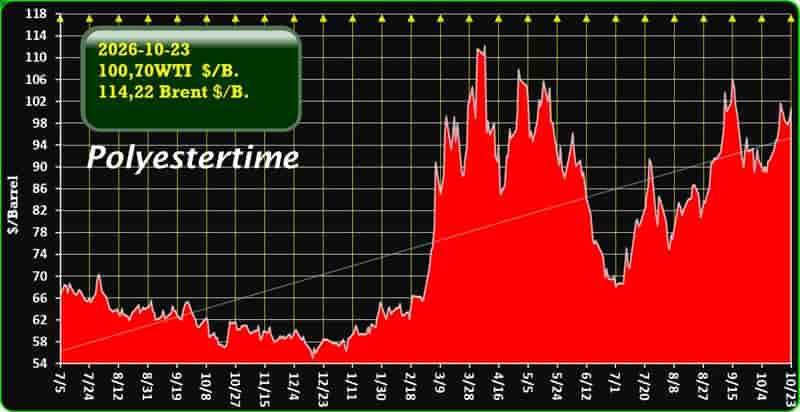
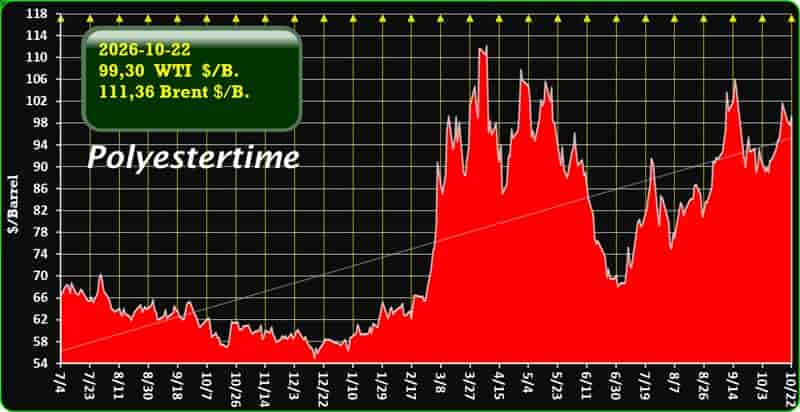
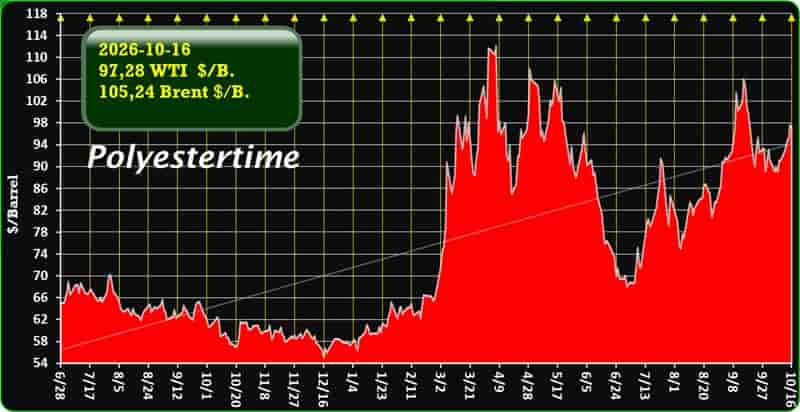
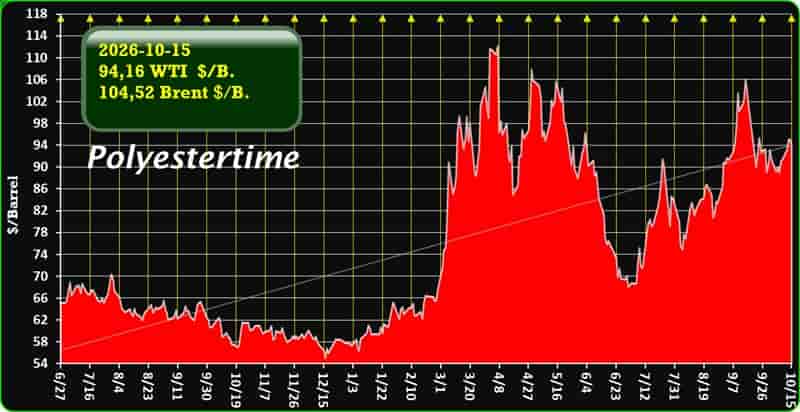
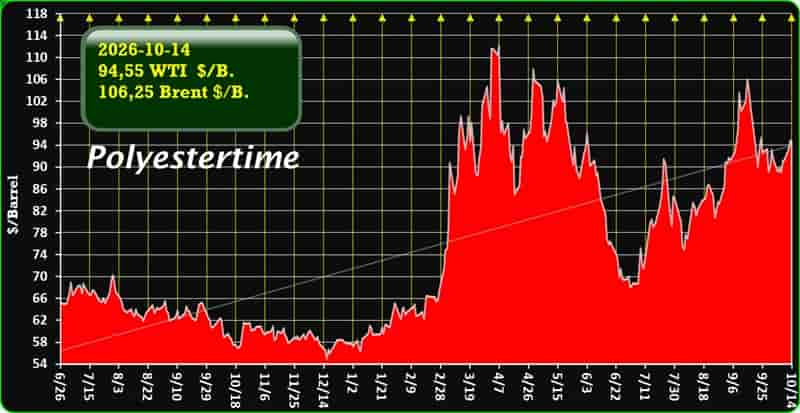
Since the beginning of military strikes against Iranian targets, oil prices surged dramatically, reaching nearly 120 dollars per barrel at one point. Such levels immediately raised fears of global inflation and slower economic growth.
For the White House, rising energy costs represent a serious political risk.
Higher oil prices translate directly into higher gasoline prices for American consumers. In just one week, fuel prices in the United States increased by nearly 20 percent, placing additional pressure on households already facing inflation concerns.
During the election campaign, the administration had promised significantly lower gasoline prices. Maintaining that promise becomes difficult if geopolitical tensions continue to drive oil higher.
This economic reality makes the Taco Trade Trump effect particularly powerful.
Wall Street’s Reaction Sends a Clear Signal
Financial markets reacted almost immediately to the president’s remarks.
Shortly after comments suggesting the conflict could end soon, oil prices dropped sharply while U.S. stock indexes recovered part of their earlier losses.
For traders, the move reinforced the idea that the Taco Trade Trump pattern remains intact. Investors increasingly believe that negative market reactions can influence policy adjustments.
In practice, this has led to a trading strategy widely discussed on Wall Street: buy when political rhetoric pushes markets down, and sell when policy reversals push prices back up.
While controversial, the strategy reflects how closely investors are now watching geopolitical communication from Washington.
Political Pressures Inside the United States
Economic signals are not the only forces shaping decision-making.
Domestic politics are also playing a major role in the renewed attention to Taco Trade Trump dynamics.
Several advisers within the administration are reportedly urging a rapid exit strategy from the conflict. One key factor is the approaching midterm elections.
Military intervention in Iran does not have strong support among the political base that prioritizes domestic economic growth and reduced foreign military commitments.
For years, the political message centered on focusing resources at home rather than engaging in prolonged overseas conflicts.
Continuing the war risks contradicting that narrative.
Possible Economic Strategies to Control Oil Prices
Reports from Washington suggest that economic policy may also be used to stabilize energy markets.
One potential measure under discussion involves easing restrictions on Russian oil exports to increase global supply and lower prices. Such a move would represent a significant shift in energy diplomacy.
If implemented, it could reduce inflationary pressure while supporting the broader strategy implied by the Taco Trade Trump approach: calming markets quickly to avoid economic damage.
Another possible change involves adjusting the political objective in Iran.
Instead of pushing for regime change, the administration may pursue a more limited settlement that allows the conflict to wind down rapidly.
Why War Is Harder to Reverse Than Trade Policy
Despite these signals, many analysts caution that the Taco Trade Trump dynamic may face limits when applied to military conflicts.
Trade tariffs can be suspended overnight. Wars are far more complex.
Multiple actors influence the outcome, including regional allies and adversaries. Israel’s ongoing military operations in Lebanon and Iran’s regional strategy complicate any attempt at a quick de-escalation.
Even if Washington seeks to reduce tensions, events on the ground may follow their own momentum.
That uncertainty explains why investors remain cautious despite the temporary market recovery.
Global Markets Watch the Next Move
For now, global markets continue to monitor every statement from Washington.
The Taco Trade Trump phenomenon has become a central topic in financial circles because it highlights a deeper reality: markets and politics are increasingly intertwined.
Energy prices, stock indexes, and geopolitical decisions now influence one another in real time.
Whether the same pattern that once shaped trade policy can also shape the outcome of a war remains an open question.
7 Dangerous Reasons Trump Chose the Iran Attack Now and Risked Everyt
More…