Recycled PET bottles – Toxic Chemicals Found in Virgin and Recycled PET Bottles Raise New Concerns Over Safety, Recycling Policy, and Long-Term Human Health Risks 07-01-2026
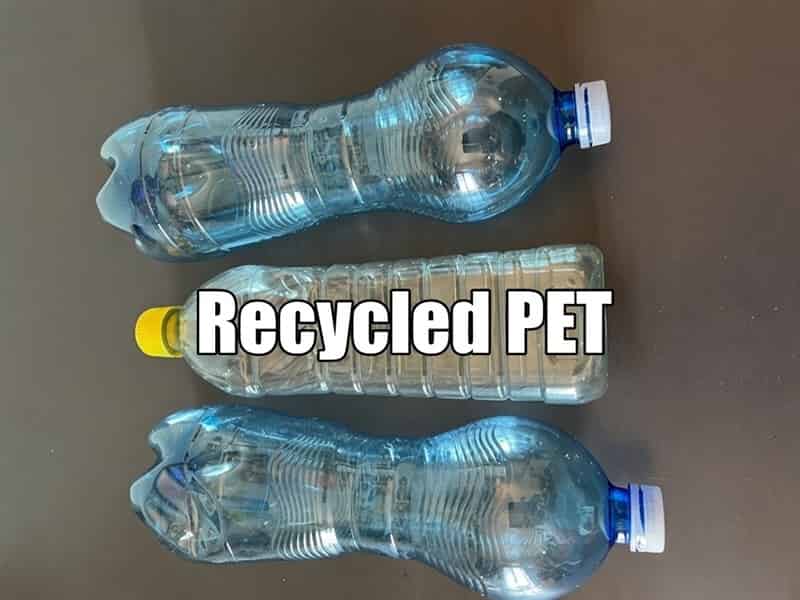
Recycled PET bottles
Toxic Substances in PET Bottles Face Growing Scientific Scrutiny
Polyethylene terephthalate, better known as PET, is one of the most widely used plastics in the world. It dominates beverage packaging and plays a central role in global recycling strategies. However, new research published in late 2025 adds to mounting evidence that PET bottles, whether made from virgin material or recycled PET, may leach potentially harmful chemicals. As governments and brands push for higher recycled content, these findings raise important questions about material safety, chemical transparency and long-term human exposure. recycled PET bottles
The study arrives at a pivotal moment. New regulations in several regions are accelerating demand for recycled PET, often referred to as rPET, to reduce plastic waste and carbon footprints. While recycling is widely viewed as a sustainability solution, the research suggests that chemical risks associated with PET bottles deserve closer attention alongside environmental benefits.
Study Overview and Research Context
The analysis was published in Environmental Science: Processes and Impacts, a peer-reviewed journal of the Royal Society of Chemistry. It was conducted by researchers from Toronto Metropolitan University, the Ecology Center and Wayne State University, with funding and co-design support from the Alliance for Mission-Based Recycling. Defend Our Health, an environmental health advocacy organization, also contributed to the project. recycled PET bottles
Rather than focusing on recycling rates or environmental impacts, the researchers examined chemical leaching from PET products. Their goal was to identify additives and other compounds that migrate from plastic into water, a pathway relevant to human consumption and exposure. This approach aligns with a growing body of scientific work exploring how plastics interact chemically with food, beverages and the environment.
Virgin and Recycled PET Under the Microscope
The study analyzed 26 PET-based consumer products. These included 18 beverage bottles, such as soda and water containers, purchased in California and Michigan. The remaining products consisted of children’s clothing, plush toys and pillows, offering insight into both food-contact and non-food applications of PET.
Importantly, the researchers compared virgin PET bottles with recycled PET bottles. This comparison is critical as policymakers increasingly require recycled content in packaging. The results showed that both material types can leach chemicals, challenging assumptions that recycled PET is either significantly safer or riskier than virgin plastic. recycled PET bottles
Dozens of Chemicals Detected
Across all samples, the researchers detected approximately 30 contaminants that leached from the plastic or textile materials into water. These included at least 12 plastic additives known for their toxic properties. Among them were six organophosphates, a class of synthetic chemicals commonly used as plasticizers to enhance flexibility and durability. recycled PET bottles
Organophosphates are of particular concern because some have been linked to neurological effects, endocrine disruption and reproductive harm. Their detection in PET products underscores the complexity of plastic formulations and the challenges of tracking chemical additives across supply chains.
Beyond intentionally added additives, the study identified another 15 non-intentionally added substances after applying a solvent-based extraction method. These chemicals are not deliberately included in PET formulations but may arise as byproducts of manufacturing, degradation or contamination during recycling. recycled PET bottles
Non-Intentionally Added Substances Raise Red Flags
One of the most frequently detected non-intentionally added substances was diethylene glycol. This compound appeared in 96 percent of the tested samples. Diethylene glycol is sometimes used to increase flexibility or may form as a byproduct during PET production and processing.
The presence of such chemicals highlights a key issue in plastics safety: even when manufacturers control additives, unintended compounds can still enter the material. During recycling, PET is exposed to heat, mechanical stress and mixed waste streams, all of which can contribute to chemical complexity in the final product. recycled PET bottles
Health Implications and Data Gaps
The study found that many of the detected chemicals have been linked in other research to cancer, endocrine disruption and reproductive problems. However, the researchers generally did not quantify the concentration levels of these substances. This means the study does not directly assess exposure risk or determine whether the leached chemicals exceed safety thresholds.
Even so, experts emphasize that the presence of hazardous chemicals alone warrants further investigation. Chronic, low-level exposure from everyday products like beverage bottles can accumulate over time, particularly when consumption is frequent.
The findings reinforce calls from scientists and advocacy groups for more comprehensive chemical assessments of food-contact materials, including both virgin and recycled PET.
Recycling Policy Meets Chemical Reality
As recycled content mandates expand, recycled PET is becoming increasingly valuable. Beverage brands, consumer goods companies and recyclers are investing heavily in rPET infrastructure. However, this study suggests that scaling up recycling without addressing chemical inputs may perpetuate existing risks. recycled PET bottles
The research encourages a shift in perspective. Instead of debating whether recycling is inherently good or bad, it highlights the importance of evaluating which materials and chemicals are appropriate for circular systems. Designing safer plastics at the outset could reduce downstream risks while supporting recycling goals. recycled PET bottles
Implications for Industry and Regulators
For manufacturers, the study underscores the need for greater transparency around additives and improved control over recycling feedstocks. Advanced sorting, stricter contamination limits and safer chemical alternatives may all play a role in reducing hazardous leaching. recycled PET bottles
For regulators, the findings suggest that recycled content policies should be paired with robust chemical safety standards. Without such safeguards, efforts to promote circularity could unintentionally expose consumers to harmful substances.
Conclusion
The latest research into toxic substances in PET bottles adds nuance to the sustainability conversation. Both virgin and recycled PET can leach hazardous chemicals, challenging the assumption that recycling alone solves plastic-related risks. As recycled PET use continues to rise, integrating chemical safety into material design, recycling systems and regulation will be essential. Addressing these challenges now could help ensure that circular plastics are not only environmentally responsible but also safe for long-term human use.
More…