Solar Reactor Breakthrough Turns Plastic Waste Into Hydrogen but Faces 3 Key Challenges
The convergence of two problematic waste streams—plastic waste and spent battery acid—has led to a compelling innovation: a solar reactor plastic waste hydrogen system capable of generating clean fuel and valuable chemicals
Developed by researchers in Cambridge, this approach introduces a new pathway for addressing both environmental pollution and energy demand using a circular economy framework.
Plastic waste has long posed a global challenge. Each year, more than 400 million tons of plastic are produced, yet only a small fraction is effectively recycled. The remainder accumulates in landfills, is incinerated, or disperses into ecosystems. At the same time, used battery acid from lead-acid batteries represents another hazardous waste stream that requires careful neutralization and disposal. The solar reactor plastic waste hydrogen concept attempts to tackle both issues simultaneously.
How the solar reactor works
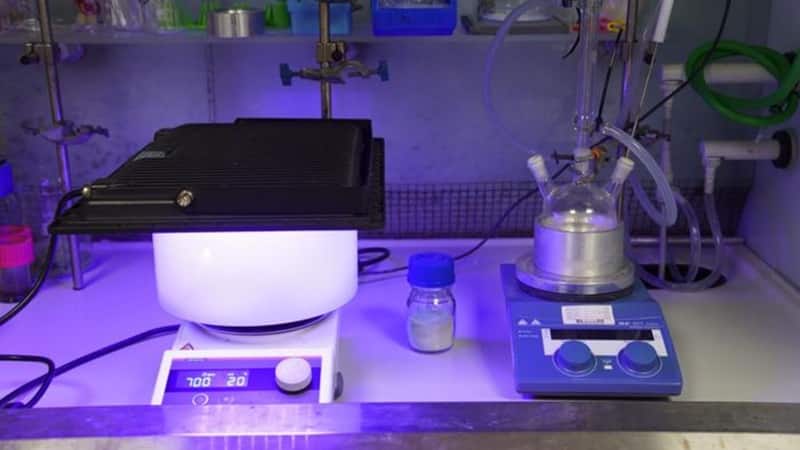
At the core of this innovation is a process known as solar-powered acid photoreforming. The system combines sunlight, a specialized photocatalyst, and acid recovered from used batteries to break down plastic polymers into smaller chemical components. These components are then converted into hydrogen and other useful substances.
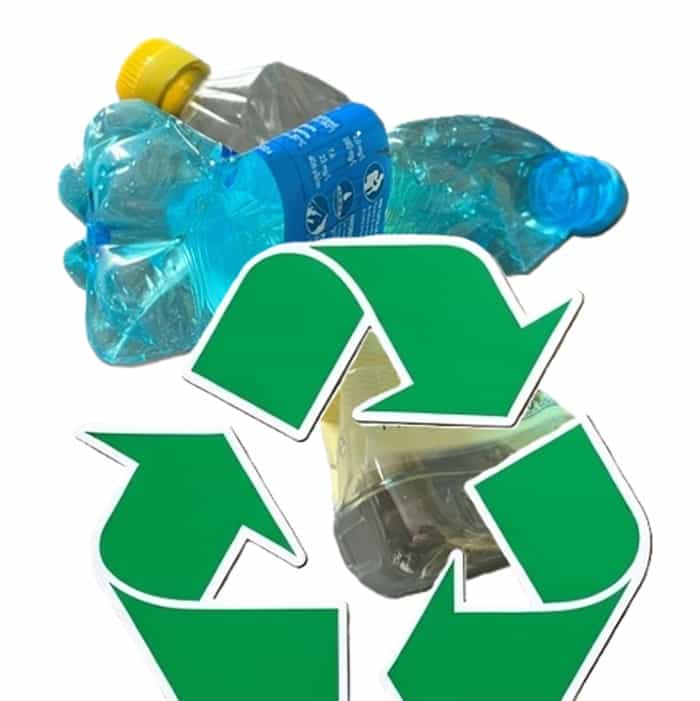
The process begins with the acid attacking plastic materials such as PET bottles, nylon fabrics, and polyurethane foams. These are typically difficult-to-recycle plastics that often fall outside traditional recycling systems. The acid breaks long polymer chains into smaller molecules, including ethylene glycol. Solar reactor plastic waste hydrogen
Next, the photocatalyst—engineered to withstand highly corrosive conditions—activates under sunlight. This triggers chemical reactions that transform the degraded plastic compounds into hydrogen gas and acetic acid. Hydrogen serves as a clean energy carrier, while acetic acid is widely used in industrial applications.
This solar reactor plastic waste hydrogen system stands out because it operates efficiently under conditions that previously limited similar technologies. Traditional photoreforming methods avoided acidic environments due to corrosion issues. Overcoming this limitation has significantly expanded the scope of materials that can be processed.
Performance and efficiency
Laboratory tests have demonstrated promising results. The reactor achieved high hydrogen yields and strong selectivity toward acetic acid production. Notably, it maintained stable performance for over 260 hours without degradation, indicating strong durability. Solar reactor plastic waste hydrogen
Another critical advantage is versatility. Unlike many existing recycling technologies that focus primarily on PET plastics, this system can process a broader range of materials. This flexibility is essential for real-world applications, where mixed plastic waste streams are the norm.
The solar reactor plastic waste hydrogen approach also offers potential cost benefits. By using recovered battery acid instead of purified chemicals, the process reduces input costs. Researchers estimate that this could lower overall expenses by an order of magnitude compared to conventional photoreforming techniques.
Turning waste into resource
One of the most compelling aspects of this technology is its redefinition of waste. In this system, spent battery acid is no longer a disposal problem but a reusable resource. Lead-acid batteries, commonly used in vehicles, contain significant amounts of sulfuric acid. While the lead is typically recycled, the acid is often neutralized and discarded.
By intercepting this acid before disposal, the solar reactor plastic waste hydrogen system creates a secondary lifecycle for it. The acid can be reused multiple times to break down plastics, reducing both environmental impact and operational costs.
This dual-waste utilization aligns closely with circular economy principles. Instead of treating waste streams independently, the system integrates them into a single process that generates value. Plastic waste becomes a feedstock, and battery acid becomes a catalyst for transformation. Solar reactor plastic waste hydrogen
Environmental and industrial implications
The environmental implications are significant. Hydrogen produced through this method is considered clean because it does not rely on fossil fuels. At the same time, reducing plastic waste and repurposing battery acid helps mitigate pollution.
From an industrial perspective, the production of acetic acid adds another layer of value. This compound is widely used in manufacturing processes, including plastics, textiles, and food additives. Generating it as a byproduct enhances the economic viability of the system.
The solar reactor plastic waste hydrogen model could also contribute to decentralized energy production. Smaller-scale reactors could potentially be deployed near waste sources, reducing transportation costs and improving efficiency.
Challenges and limitations
Despite its promise, the technology faces several challenges that must be addressed before large-scale deployment.
First, material durability remains a concern. Although the photocatalyst has demonstrated resistance to corrosive conditions, scaling up the system will require robust reactor designs capable of long-term operation in harsh environments.
Second, safety considerations are critical. Handling strong acids and hydrogen gas requires strict safety protocols, especially in industrial settings. Reactor design must ensure containment, proper sealing, and reliable operation.
Third, scalability is still uncertain. Laboratory success does not always translate directly to industrial feasibility. Building reactors that can process large volumes of mixed plastic waste while maintaining efficiency will require further engineering advancements.
Future outlook
The solar reactor plastic waste hydrogen innovation represents a meaningful step toward integrating waste management with clean energy production. By combining solar energy with chemical recycling, it opens new possibilities for sustainable industrial processes.
Future research will likely focus on improving catalyst efficiency, optimizing reactor design, and testing the system under real-world conditions. Collaboration between academia, industry, and policymakers will be essential to move from prototype to practical application.
If these challenges can be addressed, the technology could play a significant role in reducing global plastic pollution while contributing to the transition toward renewable energy sources.
The convergence of two problematic waste streams—plastic waste and spent battery acid—has led to a compelling innovation: a solar reactor plastic waste hydrogen system capable of generating clean fuel and valuable chemicals
Developed by researchers in Cambridge, this approach introduces a new pathway for addressing both environmental pollution and energy demand using a circular economy framework.
Plastic waste has long posed a global challenge. Each year, more than 400 million tons of plastic are produced, yet only a small fraction is effectively recycled. The remainder accumulates in landfills, is incinerated, or disperses into ecosystems. At the same time, used battery acid from lead-acid batteries represents another hazardous waste stream that requires careful neutralization and disposal. The solar reactor plastic waste hydrogen concept attempts to tackle both issues simultaneously.
How the solar reactor works
At the core of this innovation is a process known as solar-powered acid photoreforming. The system combines sunlight, a specialized photocatalyst, and acid recovered from used batteries to break down plastic polymers into smaller chemical components. These components are then converted into hydrogen and other useful substances.
The process begins with the acid attacking plastic materials such as PET bottles, nylon fabrics, and polyurethane foams. These are typically difficult-to-recycle plastics that often fall outside traditional recycling systems. The acid breaks long polymer chains into smaller molecules, including ethylene glycol. Solar reactor plastic waste hydrogen
Next, the photocatalyst—engineered to withstand highly corrosive conditions—activates under sunlight. This triggers chemical reactions that transform the degraded plastic compounds into hydrogen gas and acetic acid. Hydrogen serves as a clean energy carrier, while acetic acid is widely used in industrial applications.
This solar reactor plastic waste hydrogen system stands out because it operates efficiently under conditions that previously limited similar technologies. Traditional photoreforming methods avoided acidic environments due to corrosion issues. Overcoming this limitation has significantly expanded the scope of materials that can be processed.
Performance and efficiency
Laboratory tests have demonstrated promising results. The reactor achieved high hydrogen yields and strong selectivity toward acetic acid production. Notably, it maintained stable performance for over 260 hours without degradation, indicating strong durability. Solar reactor plastic waste hydrogen
Another critical advantage is versatility. Unlike many existing recycling technologies that focus primarily on PET plastics, this system can process a broader range of materials. This flexibility is essential for real-world applications, where mixed plastic waste streams are the norm.
The solar reactor plastic waste hydrogen approach also offers potential cost benefits. By using recovered battery acid instead of purified chemicals, the process reduces input costs. Researchers estimate that this could lower overall expenses by an order of magnitude compared to conventional photoreforming techniques.
Turning waste into resource
One of the most compelling aspects of this technology is its redefinition of waste. In this system, spent battery acid is no longer a disposal problem but a reusable resource. Lead-acid batteries, commonly used in vehicles, contain significant amounts of sulfuric acid. While the lead is typically recycled, the acid is often neutralized and discarded.
By intercepting this acid before disposal, the solar reactor plastic waste hydrogen system creates a secondary lifecycle for it. The acid can be reused multiple times to break down plastics, reducing both environmental impact and operational costs.
This dual-waste utilization aligns closely with circular economy principles. Instead of treating waste streams independently, the system integrates them into a single process that generates value. Plastic waste becomes a feedstock, and battery acid becomes a catalyst for transformation. Solar reactor plastic waste hydrogen
Environmental and industrial implications
The environmental implications are significant. Hydrogen produced through this method is considered clean because it does not rely on fossil fuels. At the same time, reducing plastic waste and repurposing battery acid helps mitigate pollution.
From an industrial perspective, the production of acetic acid adds another layer of value. This compound is widely used in manufacturing processes, including plastics, textiles, and food additives. Generating it as a byproduct enhances the economic viability of the system.
The solar reactor plastic waste hydrogen model could also contribute to decentralized energy production. Smaller-scale reactors could potentially be deployed near waste sources, reducing transportation costs and improving efficiency.
Challenges and limitations
Despite its promise, the technology faces several challenges that must be addressed before large-scale deployment.
First, material durability remains a concern. Although the photocatalyst has demonstrated resistance to corrosive conditions, scaling up the system will require robust reactor designs capable of long-term operation in harsh environments.
Second, safety considerations are critical. Handling strong acids and hydrogen gas requires strict safety protocols, especially in industrial settings. Reactor design must ensure containment, proper sealing, and reliable operation.
Third, scalability is still uncertain. Laboratory success does not always translate directly to industrial feasibility. Building reactors that can process large volumes of mixed plastic waste while maintaining efficiency will require further engineering advancements.
Future outlook
The solar reactor plastic waste hydrogen innovation represents a meaningful step toward integrating waste management with clean energy production. By combining solar energy with chemical recycling, it opens new possibilities for sustainable industrial processes.
Future research will likely focus on improving catalyst efficiency, optimizing reactor design, and testing the system under real-world conditions. Collaboration between academia, industry, and policymakers will be essential to move from prototype to practical application.
If these challenges can be addressed, the technology could play a significant role in reducing global plastic pollution while contributing to the transition toward renewable energy sources.
Conclusion
The development of a solar reactor plastic waste hydrogen system highlights the potential of innovative thinking in addressing complex environmental problems. By transforming two hazardous waste streams into valuable outputs, this approach embodies the principles of sustainability and circular economy.
While technical and logistical hurdles remain, the concept demonstrates how interdisciplinary research can unlock new pathways for cleaner energy and more efficient resource use. The next phase will determine whether this promising technology can move beyond the laboratory and into widespread adoption.
More…
Conclusion
The development of a solar reactor plastic waste hydrogen system highlights the potential of innovative thinking in addressing complex environmental problems. By transforming two hazardous waste streams into valuable outputs, this approach embodies the principles of sustainability and circular economy.
While technical and logistical hurdles remain, the concept demonstrates how interdisciplinary research can unlock new pathways for cleaner energy and more efficient resource use. The next phase will determine whether this promising technology can move beyond the laboratory and into widespread adoption.
More…