Sustainable Solutions – Kuraray Showcases Future-Ready Mobility, Packaging & Healthcare Solutions at K 2025 Date: October 8–15, 2025 Location: Düsseldorf, Hall 7a, Booth D06 Kuraray is bringing a wide portfolio of high-tech, sustainable materials to K 2025 23-08-2025
Sustainable Solutions
♻️ Record Recycling Levels: PET to PET Mid-Year Report 2025
After a challenging 2024, PET to PET Recycling Österreich GmbH has reported a major milestone in 2025. For the first half of the year, the company successfully recycled 18,403 tons of PET bottles, marking a 14.5% increase compared to the same period last year (16,071 tons). ?
? Table of Contents
? Record Highs in PET Recycling
The new record demonstrates how circular economy initiatives in Austria and Europe are paying off. Compared to 2024, PET to PET managed to process significantly more bottles, keeping valuable resources in the recycling loop instead of landfills or incineration.
“This achievement is a step forward for the circular economy, but we cannot ignore the market challenges that remain.” — Christian Strasser, Managing Director
? Deposit Return Systems Driving Growth
A key factor behind this growth is the deposit return system (DRS) introduced in Austria and neighboring countries. These systems collect bottles more efficiently by excluding non-beverage plastics and contaminants. The result? Cleaner material, higher recycling quality, and stronger circularity. Sustainable Solutions
For consumers, DRS offers an easy and rewarding way to ensure bottles are reused instead of wasted. For recyclers, it guarantees consistent, high-quality inputs.
⚖️ Market Challenges & Competitive Pressures
Despite the positive results, challenges remain. Secondary raw materials are still more expensive than virgin plastics. This pricing imbalance continues to undermine the competitiveness of recycling within the broader market.
Additionally, PET to PET faces increased competition from abroad, especially from regions with looser environmental and labor standards. Managing Director Thomas Billes highlighted how this distorts fair market dynamics across Europe. Sustainable Solutions
?️ Quality Adjustments for Deposit Standards
To prepare for the nationwide roll-out of the deposit system, PET to PET has upgraded its recycling plant in the first half of 2025. The upgrades focused on:
- Enhanced detection of metallic contaminants from beverage cans ?
- More precise sorting of foreign materials
- Higher-quality PET output, meeting future regulatory standards
These adjustments are crucial for maintaining safety, efficiency, and compliance with EU regulations. Sustainable Solutions
?️ Expansion & Facility Modernisation
Looking ahead, PET to PET plans to expand storage and energy capabilities. Key investments include:
- A new 140m³ silo for weather-protected PET recyclate storage.
- Covering parts of the current storage area to support photovoltaic expansion.
- Adding an extra 250 kWp solar capacity to the existing 1.2 MWp system. ☀️
These steps will enhance both operational resilience and sustainability performance.
✅ Conclusion
PET to PET’s 18,403 tons milestone is more than just a record — it’s proof that deposit return systems and plant modernisation are driving meaningful change in recycling. At the same time, the company must navigate pricing challenges and global competition.
For businesses, publishers, and sustainability advocates, this case also highlights how smart structure, mobile-first optimization, and SEO-friendly formatting are essential to spreading impactful stories online. ? Sustainable Solutions
? Want to learn more? Visit PET to PET

? China’s Polyamide Prices Dip Mid-August; Germany Maintains Supply-Demand Balance
During the first half of August 2025, Polyamide prices in both China and Germany moved within a narrow range. While China faced weakening demand and softer feedstock costs, Germany maintained stability thanks to balanced production, inventory levels, and moderate downstream support. ?? Table of Contents
?? China’s Polyamide Market
In early August, Chinese Polyamide prices started out steady, supported by balanced supply conditions. However, downstream segments—particularly automotive and engineering plastics—faced seasonal and margin pressures.?? Germany’s Polyamide Market
In contrast, Germany’s Polyamide market remained steady during the same period. Domestic producers maintained normal operating rates, supported by stable adipic acid costs and lower natural gas prices. ⚖️ Inventories were comfortable, and imports of competitively priced Asian cargoes ensured adequate supply despite port and rail logistics challenges. Downstream demand offered modest support. July vehicle registrations rose 3.3% month on month, sustaining Polyamide consumption for auto parts. Still, many converters relied on existing stocks instead of placing fresh orders, muting any stronger price momentum. Beyond autos, engineering plastics and technical textiles sectors stayed subdued, pressured by foreign competition and seasonal shutdowns. This balance between moderate demand and sufficient supply kept prices flat. Sustainable Solutions⚖️ Market Comparison: China vs. Germany
The two markets showed contrasting dynamics:- China: Weakened by shrinking automotive demand, lower feedstock costs, and slow spot activity.
- Germany: Supported by steady automotive consumption, balanced inventories, and stable energy inputs.
? Near-Term Outlook
Looking ahead, the Polyamide market is expected to remain under pressure:- China: Tepid downstream demand and easing feedstock prices are likely to keep Polyamide values soft. Trade policy extensions may offer only limited upside.
- Germany: Stable conditions should prevail in the near term, though risks from Asian oversupply and sluggish downstream recovery may prevent any significant upward movement. Sustainable Solutions
? Key Factors to Watch
Market observers will be closely monitoring several critical elements:- Feedstock trends: Shifts in caprolactam and adipic acid pricing will directly impact Polyamide costs.
- Automotive sector demand: Sales and registrations in China and Germany remain primary consumption drivers.
- Global trade dynamics: Tariff policies, Asian imports, and logistics disruptions could reshape availability and pricing.
- Downstream restocking: Decisions by converters and manufacturers to rebuild inventories may signal turning points in demand. Sustainable Solutions
✨ Final Takeaway
The Polyamide markets of China and Germany entered August 2025 on different trajectories: China saw gradual price declines, while Germany maintained equilibrium. ?? With feedstock costs and automotive demand in flux, the coming months will determine whether stability or further softening takes hold across global markets.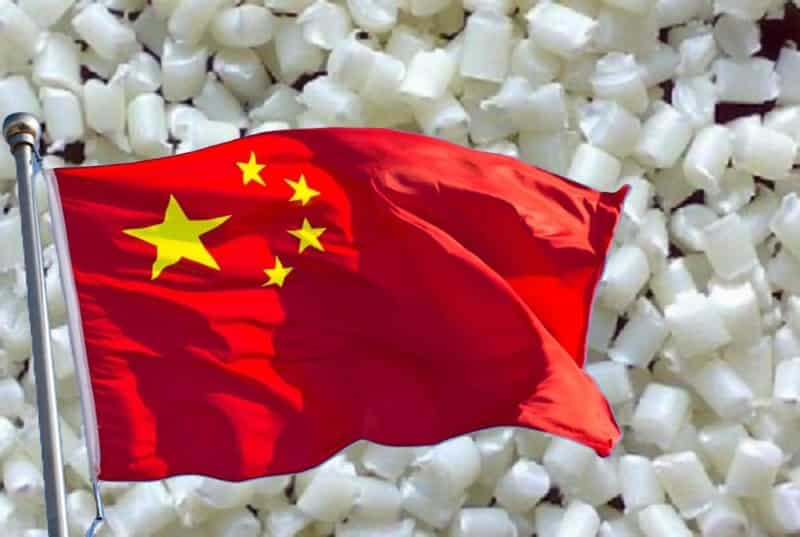
? Kuraray Showcases Future-Ready Mobility, Packaging & Healthcare Solutions at K 2025
Date: October 8–15, 2025 Location: Düsseldorf, Hall 7a, Booth D06 Kuraray is bringing a wide portfolio of high-tech, sustainable materials to K 2025.? Table of Contents
? Automotive Solutions
Kuraray is responding to PFAS restrictions, e-mobility demands, and recycling goals with innovative materials that improve safety, durability, and sustainability.- PFAS-free parts: New GENESTAR™ grades enable lightweight, durable wear and bearings.
- Recyclable components: Rear lights with PARAPET™ and PMMA resin support ELV compliance.
- EV cooling: GENESTAR™ GC 1201A enhances immersion-cooled battery safety.
- Tire innovation: KURARAY LIQUID RUBBER GS-L-BR improves EV tire resistance and efficiency.
- High-clarity lighting: KURALPHA™ resin delivers transparency and UV stability. Sustainable Solutions
- Hydrogen storage: EVAL™ EVOH resins prevent permeation in multilayer tank liners.
? Packaging Innovations
With increasing demand for recyclable, compostable, and bio-circular packaging, Kuraray offers multiple solutions for both paper and plastic systems.- Barrier coatings: Bio-circular KURARAY POVAL™, ELVANOL™, and EXCEVAL™ provide recyclable protection for paper-based packaging.
- High-barrier layers: Even thin layers of EVAL™ EVOH ensure protection while enabling recyclability.
- Compostable solutions: PLANTIC™ biopolymer is certified for industrial & home composting, ideal for MAP and dry goods packaging. Sustainable Solutions
? Sustainability Insight: Kuraray’s latest LCA shows 1 kg of KURARAY POVAL™ produced in Frankfurt has a carbon footprint of just 2.36 kg CO₂e.
? Hygiene & Medical Applications
Kuraray’s elastomers deliver softness, comfort, and process stability, making them ideal for diapers, medical tubing, and sterile packaging.- Next-gen diapers: SEPTON™ F-series boosts comfort, odor control, and elasticity.
- Medical tubing: Sterilizable SEPTON™ and HYBRAR™ meet purity and flexibility requirements.
- Infusion bags: PVC-free molding with HYBRAR™ and SEPTON™ blends improves strength and safety. Sustainable Solutions
♻️ ISCC PLUS-Certified Grades
Kuraray is scaling up its mass balance approach with ISCC PLUS-certified products, helping customers cut fossil feedstocks while maintaining consistent performance. Certified product families include:| SEPTON™ | HYBRAR™ | KURARAY LIQUID RUBBER |
| EVAL™ EVOH | KURARAY POVAL™ | ELVANOL™ |
| EXCEVAL™ | PARAPET™ | MOWITAL® |
? Co-Creation & Partnerships
Kuraray emphasizes collaborative innovation: solutions are co-created with customers to meet regulatory compliance, sustainability goals, and performance needs.“The most impactful solutions don’t happen in isolation – they emerge from close partnerships,” says Dr. Matthias Gutweiler, Managing Director of Kuraray Europe GmbH. Sustainable Solutions
✨ Looking Ahead
By combining innovation, sustainability, and customer collaboration, Kuraray is shaping future-ready solutions for mobility, packaging, and healthcare. At K 2025, visitors can explore how cutting-edge material science supports both industry transformation and environmental responsibility. ?
? LCY Chemical Corp to Showcase High-Performance Sustainable Solutions at K 2025
? About LCY Chemical Corp
Founded in 1965, LCY Chemical Corp is a global material science company with a mission to reimagine science for a thriving tomorrow. With 12 production sites worldwide — including Taiwan, China, the USA, and Canada — LCY is one of the industry’s most dynamically growing suppliers. The company is organized into three strategic divisions:- Performance Polymers & Materials
- Semiconductor & Interconnect
- Sustainable Technology Sustainable Solutions
? Key Focus Areas at K 2025
♻️ PCR – Post-Consumer Recycled Polypropylene
LCY offers polypropylene solutions with up to 70% certified PCR content. Despite their recycled nature, these materials maintain excellent stability, strength, and surface quality. Common uses include consumer goods, packaging, and non-critical structural components.? SEBS & SIS for Adhesives
LCY is expanding its styrene block copolymers (SEBS and SIS) in Europe. These are perfect for hotmelt adhesives, pressure-sensitive systems, and hygiene applications — offering elasticity, skin compatibility, and thermal resistance.⚙️ TPV – Thermoplastic Vulcanizates
TPVs combine the elasticity of rubber with the processing ease of thermoplastics. Applications include seals, ducts, and vibration-damping components.? LCY also offers TPV concentrates (Globalene 1055RC & 4055RC), enabling European processors to create custom blends.
? PCMA – Polypropylene Composites & Alloys
LCY’s PCMA compounds are reinforced with glass fibers, flame retardants, or mineral fillers, making them ideal for automotive, appliances, and construction. Bio-based and recyclable versions are available. ✨ Spotlight: Globalene PT263 is a sustainable substitute for melamine tableware, meeting strict food-contact standards.?️ SBS – Elastomer Solutions for Roads & Roofs
SBS polymers enhance bitumen flexibility and durability. Widely used in road surfaces and waterproof roofing, they improve crack resistance and extend infrastructure lifespans in tough climates.? LCY’s Long-Term Sustainability Goals
LCY has set ambitious 2030 goals, including:- Reducing GHG emissions by 42% (vs. 2021 baseline)
- Achieving RE15 renewable energy target
- Expanding revenue from sustainable products to 20%
? Beyond Limits: New Frontiers in Materials and Additives
K 2025 is just around the corner, and the plastics and rubber industry is buzzing with anticipation. Set for October in Düsseldorf, the world’s leading trade fair will gather over 3,100 exhibitors, each eager to showcase innovations that shape the future of materials and additives. From sustainability-driven polymers to advanced recycling solutions, K 2025 promises breakthroughs that go beyond limits. ?
♻️ Sustainability and Circularity Take Center Stage
One of the dominant themes at K 2025 is sustainability. Companies across the globe are aligning strategies with circular economy goals, introducing biobased, recycled, and recyclable materials to meet growing environmental and regulatory demands. Visitors can expect to see solutions that reduce waste, improve recyclability, and create new pathways for plastics in a low-carbon world. Sustainable Solutions
Kaneka Belgium: Biobased Polymers and Green Planet
Kaneka Belgium, a subsidiary of Japan’s Kaneka Corporation, is spotlighting its groundbreaking Green Planet PHBH, the first fully biobased polymer made through a proprietary bio-fermentation process. Using renewable vegetable oils—and soon CO₂—this polymer biodegrades under natural conditions into biomass, CO₂, and water. ?
Compatible with conventional processing equipment, Green Planet is ideal for packaging, agriculture, and marine applications, without harmful PFAS or additives. Kaneka will also highlight impact modifiers, recycling aids, and foam beads with up to 30% post-consumer recycled content.
? Kaneka Belgium – Hall 6, A20
Palsgaard: Safer Additives for PE and PP
Danish additives specialist Palsgaard is unveiling Einar 987, a new anti-fouling additive for PE and PP polymerisation. Unlike ethoxylated amines, this plant-based, food-grade solution prevents static buildup and ensures consistent quality. It’s drop-in compatible with existing systems, making it especially valuable for sensitive applications such as medical devices. ? Sustainable Solutions
? Palsgaard – Hall 7, Level 1/C15
GCR: High-Quality Recyclates and Masterbatches
Spain’s GCR is presenting its Ciclic line of high-performance post-consumer recyclates. Targeting challenging applications like personal care and premium packaging, the new materials meet strict quality and safety standards. GCR is also investing in a large mechanical recycling plant (100k MT PCR annually), expanding capabilities for automotive and appliance applications. ?
? GCR – Hall 8A, K27
?️ Major Industry Players Redefining Strategy
Global chemical giants are using K 2025 to highlight long-term strategies in recycling, advanced polymers, and circular economy business models. Let’s look at some of the big announcements. Sustainable Solutions
LyondellBasell: Circular Solutions with Circulen
LyondellBasell is pushing forward with its Circulen brand, including CirculenRecover (mechanically recycled polymers), CirculenRevive (chemical recycling-based), and CirculenRenew (bio-circular feedstocks). With European packaging regulations demanding 30–35% recycled content by 2030, these innovations aim to bridge a looming supply gap of 10M metric tons. ?
The company is focusing on packaging, automotive, healthcare, and EV applications, delivering tailored solutions for each market.
? LyondellBasell – Hall 8A, D12 Sustainable Solutions
Syensqo: Echo Portfolio of Sustainable Materials
Born from Solvay, Syensqo is leveraging AI and renewable feedstocks to accelerate material innovation. Its Echo portfolio includes recycled and biobased polymers such as Amodel PPA Bios, Udel PSU Echo RP, and Radel PPSU Echo RP, all ISCC Plus certified. These drop-in solutions mirror conventional material performance while cutting reliance on fossil fuels. ? s
? Syensqo – Hall 6, C61
Sabic: Connecting Everyday Life
Sabic is showcasing consumer-centric innovations across five themes: work, health, leisure, shop, and care. Highlights include a 44% lighter food packaging solution, toothpaste caps from mixed plastic waste, and pilot programs turning surgical plastic waste into pyrolysis oil for reuse. ?♻️ Sustainable Solutions
? Sabic – Hall 6, D42
? Additive Innovations for Next-Gen Applications
Beyond polymers, additive specialists are rolling out solutions that improve performance, efficiency, and regulatory compliance.
Kisuma Chemicals: Setogem RD Nucleator
Kisuma is introducing Setogem RD, a dual-function nucleator and acid scavenger for PP. Offering improved processing at lower concentrations, it replaces traditional nucleators like talc. The company is also advancing PFAS-free solutions and recycling additives for pyrolysis oil treatment. ? Sustainable Solutions
? Kisuma – Hall 8B, H31
OQ: Expanding Application-Focused Grades
Oman’s OQ has launched 17 new polymer grades, ranging from PP impact copolymers for packaging to PE grades for rotomoulding and water storage. These materials balance durability, processability, and sustainability for global applications. ?
? OQ – Hall 6, A23
? A Global Push Towards Circularity
Other companies reinforcing the shift towards circularity at K 2025 include:
- TotalEnergies Polymers: Scaling up to 1M tonnes of circular polymers by 2030, with mono-material packaging solutions. ? Hall 6, E20
- Envalior: Showcasing ISCC Plus certified PA6 and PBT for automotive and electronics. ? Hall 6, B11
- MOL Group: Integrating waste recycling into refineries, aiming for 1.5M tonnes recycled by 2030. ? Hall 5, C20 Sustainable Solutions
- Polyvantis: Lightweight aerospace solutions and healthcare films. ? Hall 8B, D27
- INEOS Styrolution: Introducing recycled styrene for food packaging and bio-attributed ABS for toys and automotive. ? Available at K 2025
? Final Thoughts
K 2025 is more than just a trade fair—it’s a milestone in the global transition to sustainable materials and additives. From biobased polymers to advanced recycling, companies are setting the stage for a circular, low-carbon future. ? Whether you’re an industry leader, innovator, or policymaker, Düsseldorf will be the place where material science meets market reality. Sustainable Solutions
More…

??Cronimet Finalizes Joint Venture with CNGR to Boost Battery Recycling in Europe
• Editorial Team
Introduction ?
The global shift toward sustainable energy has placed battery recycling at the center of innovation. In a landmark move, Cronimet Group has finalized a joint venture with CNGR Advanced Material Co., a major China-based battery materials company. This collaboration underscores the urgency of securing raw materials while reducing environmental impact.
Details of the Joint Venture ?
Cronimet’s subsidiary, Revomet GmbH, formed in 2023, has partnered with CNGR to launch Revomet Bitterfeld GmbH. Under the agreement, CNGR will acquire a 25% stake in the Bitterfeld-based facility, marking one of the first cross-continental recycling partnerships in Europe. Sustainable Solutions
This deal blends German engineering with Chinese market leadership, creating a recycling ecosystem designed to serve the booming global battery sector.
Revomet Bitterfeld Facility ?
Located in Bitterfeld-Wolfen, Germany, the facility is hailed as one of Europe’s most advanced recycling plants for battery scrap. It processes waste materials from battery production and recovers critical elements including nickel, cobalt, and lithium.
“The partnership’s goal is to recover valuable raw materials in the highest purity and return them to the production cycle,” states Cronimet.
Strategic Benefits of the Partnership ? Sustainable Solutions
The joint venture combines the technological expertise of Revomet with CNGR’s international network in the battery sector. The collaboration brings together:
- ✅ Cutting-edge recycling technologies
- ✅ Global logistics and supply networks
- ✅ Decades of experience in stainless steel and materials recycling
- ✅ A model for sustainable international cooperation in Europe
Impact on the Battery Industry ⚡
As electric vehicle (EV) adoption accelerates, demand for battery materials has skyrocketed. This joint venture is set to address three major industry challenges:
- Supply security – ensuring Europe has reliable access to critical metals
- Environmental sustainability – reducing mining dependence through recycling Sustainable Solutions
- Cost efficiency – creating circular systems that cut material costs
By integrating recycling into production cycles, the partnership aims to create a closed-loop battery economy.
Leadership Perspectives ?️
Dr. Filipe Costa, Managing Director of Revomet GmbH, emphasized:
“This partnership brings together cutting-edge recycling technologies, international market expertise and a strong logistics network, setting a new benchmark for sustainable value creation in the battery industry.”
Similarly, Jürgen Pilarsky, CEO of Cronimet Group, noted:
“We are proud that, through this exchange of skills, expertise and processes, the Cronimet Group is able to make a significant and sustainable contribution to the European battery industry.” Sustainable Solutions
Future Outlook ?
The Cronimet-CNGR partnership signals a shift toward global collaboration in tackling battery waste challenges. With Europe’s growing EV market, such partnerships will likely expand further, paving the way for a greener, more circular economy.
As governments and industries intensify sustainability goals, international recycling alliances may become the norm rather than the exception. This deal positions Cronimet and CNGR at the forefront of Europe’s battery value chain.