Lone Star’s Technyl Polyamide Acquisition Sparks Concerns Over Jobs and Industrial Strategy
Technyl Polyamide Acquisition Reshapes Engineering Plastics Market
The Technyl polyamide acquisition marks a significant shift in the European engineering plastics landscape. The American private equity firm Lone Star Funds has secured approval from the Lyon Commercial Court to acquire key assets of Polytechnyl, a French company owned by Domo Chemicals.
This move reflects a strategic focus on high-value materials and intellectual property rather than traditional manufacturing infrastructure. While the deal is relatively modest in financial terms, estimated at around €10 million, its implications for the polyamide sector are substantial.
What the Deal Actually Includes
A critical detail in the Technyl polyamide acquisition is what Lone Star is—and is not—buying. The agreement includes:
- The Technyl brand
- Commercial operations
- Research and development activities
However, it explicitly excludes:
- Manufacturing plants
- Industrial infrastructure
- The majority of employees
This selective acquisition approach is increasingly common in private equity strategies, where value is often seen in innovation, brand equity, and customer relationships rather than physical assets.
The Role of Polytechnyl and Technyl Brand
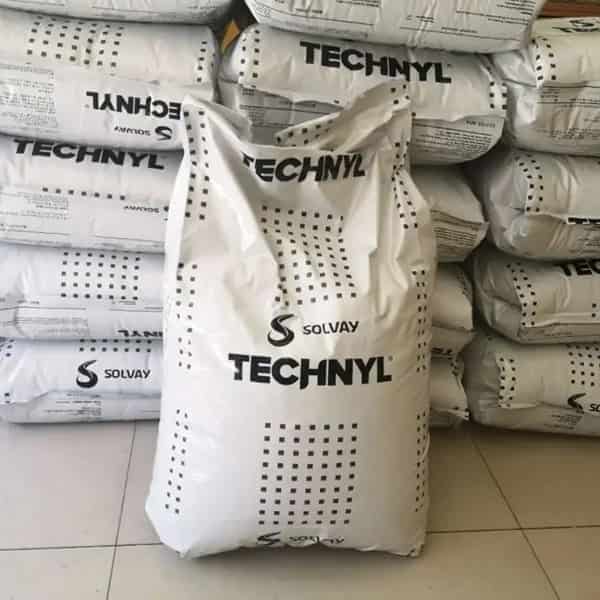
Polytechnyl has been a key player in engineering polymers, particularly after acquiring the Technyl brand from Solvay in 2020. Technyl is widely recognized for its PA66-based engineering plastics, used in automotive, electrical, and industrial applications.
The Technyl polyamide acquisition effectively transfers ownership of a high-performance materials brand with global recognition. This gives Lone Star immediate access to advanced polymer formulations and established market channels.
Judicial Restructuring and Industry Context
Polytechnyl entered judicial restructuring proceedings, known in France as redressement judiciaire, earlier this year. This legal process is designed to allow companies to continue operating while restructuring debts and operations.
The situation mirrors broader challenges faced by Domo Chemicals, which has been navigating financial and operational pressures across multiple subsidiaries.
The Technyl polyamide acquisition emerges as part of this restructuring effort, enabling the sale of valuable assets while leaving more complex industrial issues unresolved.
Impact on Employees and Local Industry
One of the most controversial aspects of the Technyl polyamide acquisition is its limited scope regarding employment. Around 550 workers are employed at the Saint-Fons and Valence sites near Lyon:
- Saint-Fons: engineering plastics production
- Valence: fiber manufacturing
Only about 72 employees, primarily involved in R&D and commercial roles, are included in the transaction.
This has led to strong opposition from labor unions, who argue that the deal prioritizes financial efficiency over industrial responsibility. The exclusion of plants raises concerns about potential closures, layoffs, or future ownership uncertainty.
Strategic Vision Behind Lone Star’s Move
The Technyl polyamide acquisition is not an isolated transaction. It fits into a broader strategy by Lone Star to build a competitive position in specialty chemicals and high-performance polymers.
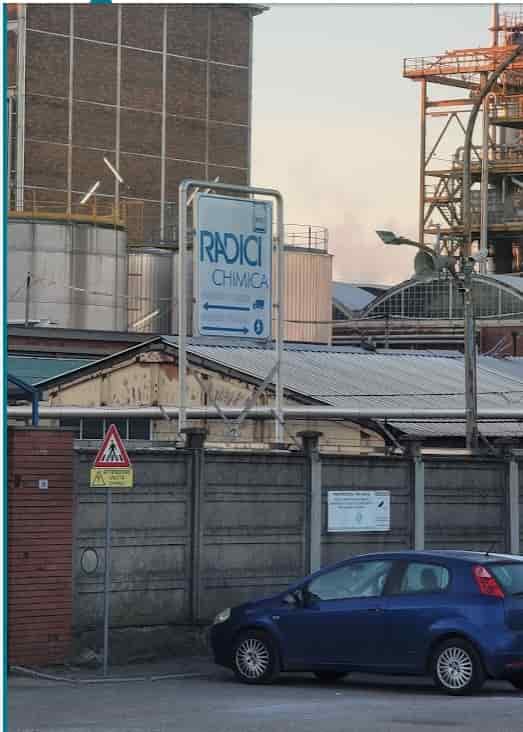
The firm has also announced plans to acquire business segments from RadiciGroup, including:
- Specialty Chemicals
- High Performance Polymers
These assets include production of intermediates and advanced polyamides, complementing the Technyl portfolio.
By combining these elements, Lone Star appears to be assembling an integrated platform focused on high-margin, technology-driven materials rather than bulk chemical production.
Why Polyamides Matter in Modern Industry
Polyamides, particularly PA66, are essential in industries undergoing rapid transformation. The Technyl polyamide acquisition highlights the strategic importance of these materials due to their:
- High mechanical strength
- Heat resistance
- Lightweight properties
- Suitability for electric vehicles and electronics
As industries move toward electrification and sustainability, demand for advanced engineering plastics continues to grow.
Technyl products are widely used in:
- Automotive components
- Electrical connectors
- Consumer goods
- Industrial machinery
This makes the acquisition particularly relevant for future-focused manufacturing sectors.
Private Equity’s Growing Role in Chemicals
The Technyl polyamide acquisition also reflects a broader trend: the increasing involvement of private equity in the chemical industry.
Traditionally dominated by large industrial players, the sector is now attracting financial investors seeking:
- Undervalued assets
- Innovation-driven growth
- Portfolio synergies
Private equity firms like Lone Star often focus on restructuring and repositioning businesses for profitability, sometimes leading to difficult trade-offs between efficiency and employment.
Risks and Concerns Surrounding the Deal
Despite its strategic logic, the Technyl polyamide acquisition raises several concerns:
Industrial Fragmentation
Separating R&D and commercial functions from manufacturing could weaken operational integration.
Employment Uncertainty
Workers at excluded sites face an unclear future, increasing social and political pressure.
Long-Term Commitment
Private equity ownership sometimes prioritizes short- to medium-term returns, which may conflict with long-term industrial investment.
Supply Chain Stability
Without direct control over production, maintaining consistent quality and supply could become more complex.
Opportunities Created by the Acquisition
On the other hand, the Technyl polyamide acquisition also opens new opportunities:
Innovation Focus
Concentrating on R&D can accelerate development of next-generation materials.
Market Expansion
Leveraging the Technyl brand could strengthen global market presence.
Strategic Integration
Combining Technyl with RadiciGroup assets could create a more competitive and diversified platform.
Flexibility
Operating without heavy industrial assets may allow faster adaptation to market changes.
What This Means for the European Chemical Industry
The Technyl polyamide acquisition signals a shift in how value is defined in the chemical sector. Intellectual property, branding, and customer relationships are becoming as important as production capacity.
For Europe, this raises important questions:
- Will manufacturing continue to move away from traditional industrial hubs?
- How can innovation and employment be balanced?
- What role should public policy play in restructuring strategic industries?
The outcome of this deal may influence future transactions and restructuring strategies across the region.
Final Thoughts on Technyl Polyamide Acquisition
The Technyl polyamide acquisition is a complex deal that reflects both opportunity and tension within the modern chemical industry. While it strengthens Lone Star’s position in high-performance materials, it also raises serious questions about employment, industrial strategy, and the future of manufacturing in Europe.
As the sector continues to evolve, this transaction may serve as a case study in how financial strategy, technological innovation, and social responsibility intersect in shaping the next generation of industrial growth.
More…