
Textile Recovery – Resonac Corporation has launched CirculaC, a circular business model for used plastics and textiles. This business model aims to regenerate used plastics and textiles into chemical raw materials such as hydrogen, ammonia, acrylonitrile, and carbon dioxide through the power of chemistry, transforming them into various final products 01-02-2025 - Archive
Textile Recovery
Join the 4R Revolution to Tackle the Plastics Challenge: Refuse, Reduce, Reuse, Recycle for a Sustainable Future
4Recycling, an open innovation ecosystem initiated by CLIC Innovation in Helsinki, Finland, has evolved into the 4R Innovation Ecosystem to address the plastics challenge more comprehensively. Established in 2019, 4Recycling has secured €58 million in RDI funding and engaged over 300 organizations. The renewed 4R ecosystem will continue focusing on enhanced recycling and bio-based materials while expanding its scope to address complex systemic challenges through 4R principles: refuse, reduce, reuse, and recycle. Textile Recovery
This transformation builds on past successes and aims to promote a sustainable and resilient economy through higher-level circular strategies and cross-sectoral collaboration.
Plastic waste presents a massive and complex challenge that remains unsolved despite significant efforts over the past decade. Plastic production continues to rise, and waste mismanagement persists. The 4R ecosystem implements its new Penta-Helix stakeholder approach to innovate and implement upstream solutions to these challenges.
The 4R vision is a future where unnecessary plastic materials are eliminated, and essential materials are designed to be reused, repaired, and ultimately recycled. Textile Recovery

Polycycl to Recycle 1.5 Million Tons of Plastic Over Next Decade
Polycycl, a leader in chemical recycling, has announced plans to recycle 1.5 million tons of plastic over the next decade, producing 1.1 million tons of pyrolysis oil. CEO Amit Tandon highlighted the expected growth of the global chemical recycling market to $20 billion, with Polycycl aiming to lead by developing scalable solutions benefiting both the economy and recycling sector.
Polycycl’s research focuses on converting waste into petrochemical products and integrating other hydrocarbon waste streams. Textile Recovery
At the launch of their Generation VI chemical recycling pyrolysis technology, Tandon emphasized its significance in addressing India’s plastic waste crisis. The company is investing in sorting and conversion plants, creating jobs and boosting local economies. Scalability is a priority as Polycycl expands globally.
Polycycl is exploring partnerships with waste management companies, especially in Europe, to introduce its advanced technologies. It has established strong ties with major petrochemical industry players and collaborates with Unilever as its preferred partner for chemical recycling in India.
In a notable achievement, Polycycl was chosen by a global alliance of chemical and consumer product companies from over 100 competitors. As it enhances its engineering capabilities, Polycycl aims to form more strategic partnerships to further its mission in the global recycling landscape. Textile Recovery

Fast fashion company begins chemically recycling textiles
Editor’s note: Learn more about textile recycling and many other topics at the upcoming Textile Recovery Summit, part of the 2025 Plastics Recycling Conference on March 24-26 in National Harbor, Maryland.
Global clothing e-commerce retailer Shein has developed a chemical recycling process alongside a Chinese research university and is planning to start up a facility in June, producing 6.6 million pounds per year of chemically recycled polyester for use in its apparel. Textile Recovery
Shein, a Singapore-headquartered apparel retailer associated with the fast fashion market, works with 5,800 contract manufacturers globally and sells its clothing into more than 150 countries.
The company on Jan. 22 announced it has developed a process through which input polyester is “chemically broken down, refined and reconstituted at the polymer level.” Shein added that the process can handle a “wider range of materials” than the current polyester recycling processes used in materials Shein sources. The chemical recycling process can use both post-consumer and post-industrial polyester and both end-of-life textiles and other sources like PET bottles. Textile Recovery

Japan’s Resonac unveils CirculaC for sustainable plastic recycling
- Resonac’s CirculaC transforms used plastics and textiles into chemical raw materials like hydrogen, ammonia, and carbon dioxide, promoting a sustainable circular economy.
- The Kawasaki Plant has processed over 1 million tons of plastics since 2003, producing outputs like hydrogen for power and carbon dioxide for dry ice and beverages. Textile Recovery
Resonac Corporation (President: Hidehito Takahashi, hereinafter “Resonac”) has launched CirculaC, a circular business model for used plastics and textiles. This business model aims to regenerate used plastics and textiles into chemical raw materials such as hydrogen, ammonia, acrylonitrile, and carbon dioxide through the power of chemistry, transforming them into various final products. Through CirculaC, Resonac will strengthen its efforts toward the realisation of a sustainable circular society.
The name “CirculaC” is a combination of “Circular” and the initial “C” from “Chemical Recycle.” CirculaC embodies the idea that “Used plastics and textiles are regenerated into various products through the power of chemistry and circulate within the economy,” which is based on the Resonac’s Purpose, “Change Society through the Power of Chemistry.” The logo of CirculaC conveys a sense of trust and stability as a brand supporting the next generation of a circular society. Textile Recovery

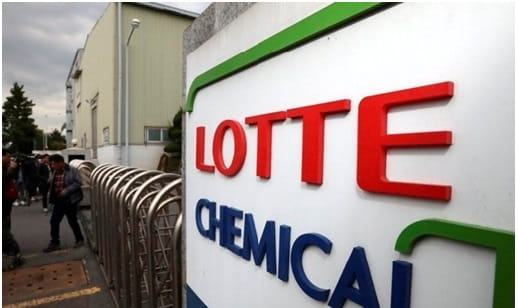
LOTTE Chemical expands eco-friendly plastic materials for mobility
LOTTE Chemical has announced the expansion of its collaboration with Hyundai Motor, Kia’s AVP Division and the Basic Materials Research Centre. The project is focused on developing eco-friendly plastic materials for mobility purposes.
Last year, LOTTE Chemical was involved in the Eco-Friendly Materials and Vehicle Exhibition. At the event, the company proposed its application of eco-friendly polymethyl methacrylate (PMMA) material for Kia’s EV3 concept car’s ‘rear lamp lens’ component. Textile Recovery
LOTTE Chemical, Hyundai Motor, and Kia have been working together since 2022 to supply a variety of eco-friendly materials like eco-friendly polypropylene/Talc (PP/Talc) and eco-friendly polycarbonate/acrylonitrile butadiene styrene (PC/ABS), which can be used for automotive interior and exterior components.
The eco-friendly PMMA material utilises a depolymerisation method which ensures plastics are chemically broken down and re-synthesized. This allows for the production of recycled plastics with similar quality levels to virgin counterparts. Textile Recovery
Starlinger released the second sustainability report after 2022
“Starlinger is one of the medium-sized Austrian companies that has been fulfilling its social responsibility in a variety of ways for a long time”, explains Ilona Wimmer, Head of the CSR department at Starlinger.
“We published our first sustainability report in 2022 – an analysis of our status quo in the area of CSR and sustainability at the time. Based on this, we defined measures, many of which are currently being implemented or have already been completed. The present report provides an overview of what has happened at Starlinger over the last two years in terms of sustainability and CSR.” Textile Recovery
In addition to a materiality analysis, in which internal and external stakeholders gave their assessments on a total of 18 sustainability topics, the new sustainability report includes detailed analyses of energy consumption, emissions and waste generation in the company, as well as information on the energy-saving measures implemented. In the social area, the “Fit & X’sund Weissenbach” project has been addressing the issue of health and satisfaction in the workplace since 2023.ecovery

Polyester textile – Call for action to drive polyester textile circularity in Europe 31-01-2025


