Trump Iran tariff – Trump Escalates Global Tensions With 25 Percent Iran Tariff Threat, Putting China, Russia, Turkey, and Emerging Markets at Serious Economic Risk 13-01-2026
Trump Iran tariff
Trump Announces 25 Percent Tariff on Iran Trading Partners, Shaking Global Trade
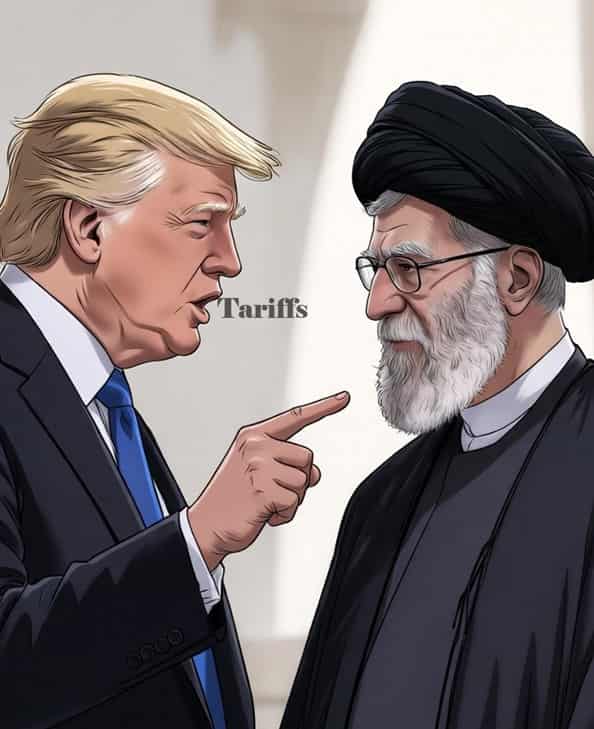
US President Donald Trump has announced a new trade measure that could significantly reshape global commerce and diplomatic relations. Under the policy, any country that continues doing business with Iran will face a 25 percent tariff on all trade with the United States. The announcement immediately raised concerns among major economies and emerging markets alike.
The Trump Iran tariff policy represents one of the most aggressive economic pressure tactics used against Tehran in recent years. It extends beyond Iran itself, placing direct financial consequences on countries that maintain commercial ties with the Islamic Republic.
Which Countries Could Be Affected by the Trump Iran Tariff
Several major economies currently engage in trade with Iran. China, the United Arab Emirates, Brazil, Turkey, and Russia all maintain economic relationships with Tehran across energy, manufacturing, and infrastructure sectors. The lack of detailed clarification has created uncertainty over whether the tariff would apply universally to all partners or selectively.
This ambiguity has already unsettled financial markets and trade analysts. Businesses operating across borders now face potential disruptions, higher costs, and increased compliance risks as they assess exposure to the Trump Iran tariff.
Why Trump Is Targeting Iran Trade Partners Now
The timing of the announcement coincides with escalating unrest inside Iran. Protests have spread across multiple cities, with demonstrators calling for an end to the ruling clerical establishment that has governed the country for nearly five decades.
Reports indicate that Iranian security forces have responded with severe force. Human rights organizations estimate that at least 648 people have been killed since the protests began. These developments appear to have influenced Washington’s latest economic move.
Iran’s supreme leader has publicly accused protesters of acting in the interests of foreign powers, further escalating rhetoric between Tehran and Washington. The Trump Iran tariff is widely viewed as a response designed to isolate the Iranian government while signaling support for internal dissent.
Diplomatic Channels Still Open Between Washington and Tehran
Despite the hardline trade stance, diplomatic communication has not completely collapsed. Iranian officials have confirmed that a channel of dialogue remains open between Foreign Minister Abbas Araghchi and US Special Envoy Steve Witkoff.
The White House has emphasized that diplomacy remains the preferred option. Officials stated that while a wide range of responses is under consideration, including military measures, negotiation remains the first choice. This dual-track approach reflects a strategy of pressure combined with limited engagement.
Protests in Iran and the Information Blackout
As protests intensify, verifying information from inside Iran has become increasingly difficult. Internet access has reportedly been shut down nationwide for more than 100 hours, severely limiting the flow of images, videos, and independent reporting.
International watchdogs warn that the blackout complicates efforts to assess the scale of the crackdown. The lack of reliable data has added urgency to calls for international action, which may partly explain the introduction of the Trump Iran tariff.
Global Economic Impact of the Trump Iran Tariff
If implemented fully, the Trump Iran tariff could disrupt global supply chains and increase inflationary pressures. Countries caught between US trade access and Iranian business ties may be forced to reconsider long-standing economic relationships.
China and Russia, both strategic competitors of the United States, are likely to resist the measure, potentially escalating broader trade conflicts. For emerging markets like Brazil and Turkey, the tariff could present difficult economic trade-offs that affect growth and employment.
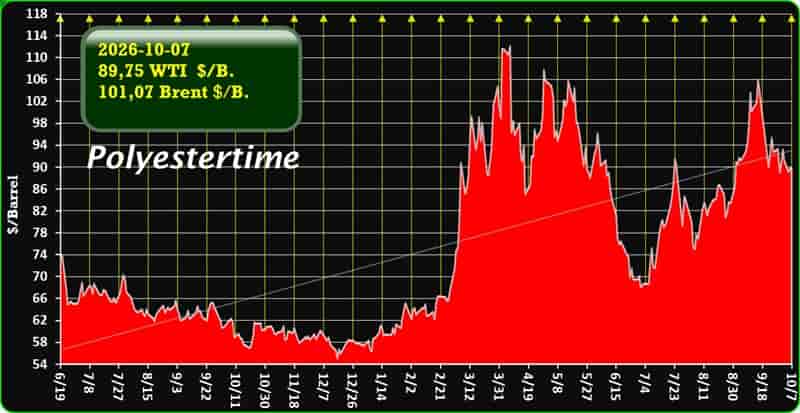
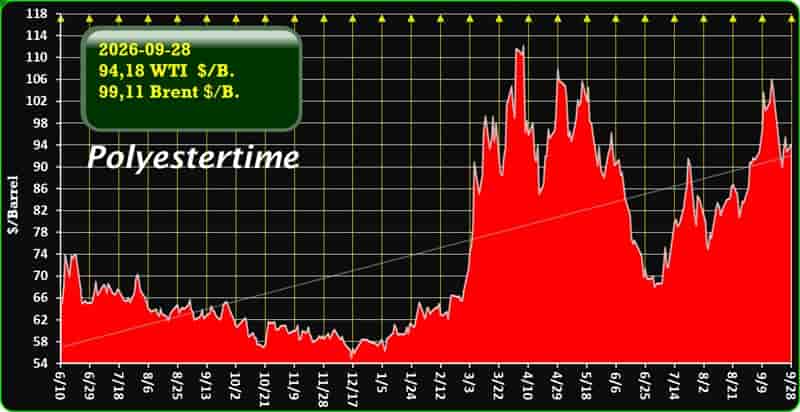
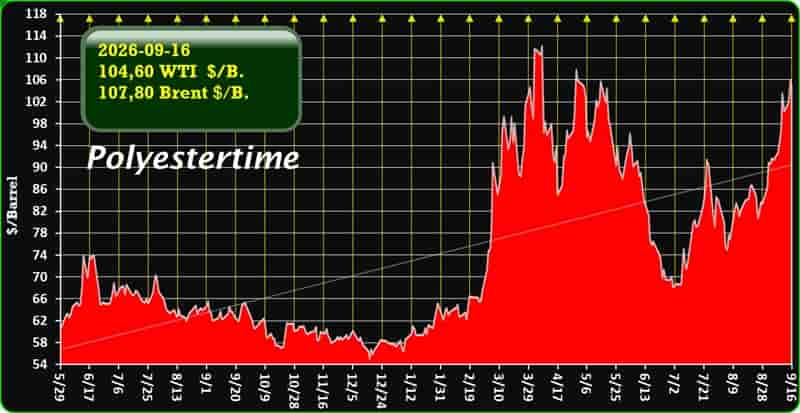
Energy markets may also feel the impact, as Iran remains an important player in oil and gas exports to certain regions. Any reduction in trade could tighten supply and influence global prices.
Strategic Message Behind the Tariff Announcement
Beyond economics, the Trump Iran tariff sends a clear geopolitical signal. It reinforces Washington’s willingness to use trade policy as a tool of foreign policy enforcement. By targeting Iran’s partners, the administration aims to increase Tehran’s isolation while discouraging international engagement.
This strategy mirrors earlier sanctions campaigns but goes further by threatening secondary economic consequences for third countries. Analysts suggest this could redefine how future US administrations approach international sanctions and trade enforcement.
What Comes Next for US Iran Relations
The long-term impact of the Trump Iran tariff will depend on how strictly it is enforced and how other nations respond. Compliance could weaken Iran’s economic position, while resistance could strain US alliances and global trade norms.
As protests continue and diplomatic efforts fluctuate, the situation remains fluid. Businesses, governments, and investors worldwide are closely watching developments that could reshape international trade and Middle East geopolitics.
More…