Oil Price Trend and the US-Iran War: What the Latest Market Signals Mean for Global Energy
US-Iran War Oil Prices Surge as Strait of Hormuz Crisis Shakes Global Markets
Oil Prices Stay Volatile as the US-Iran Conflict Escalates
Global oil markets remain highly volatile as tensions between the United States and Iran continue to disrupt energy supply chains and shipping routes across the Middle East.
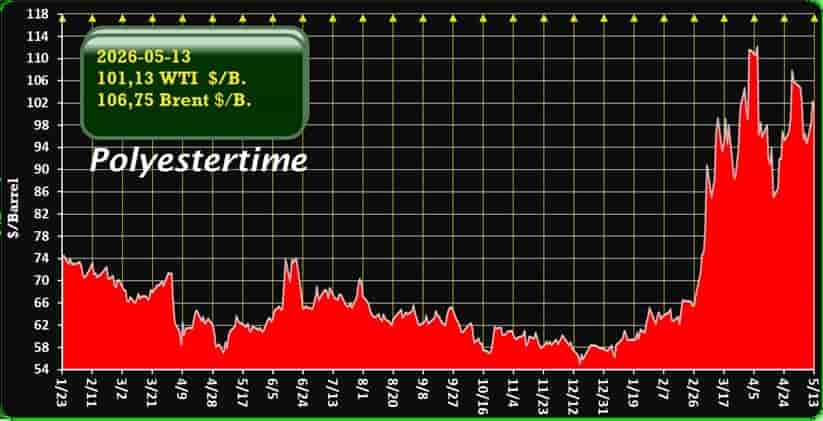
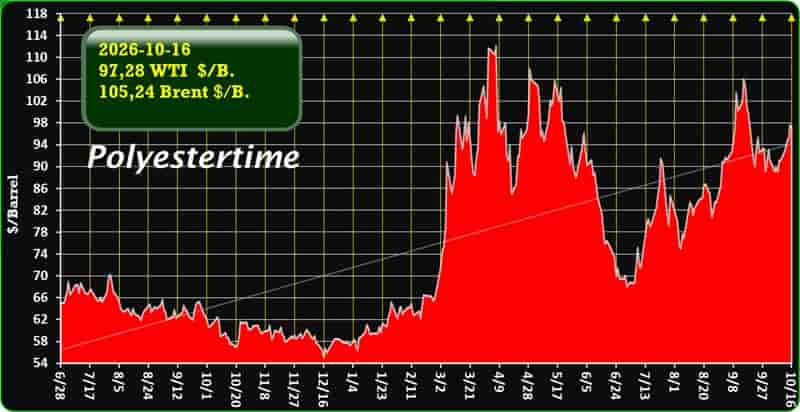
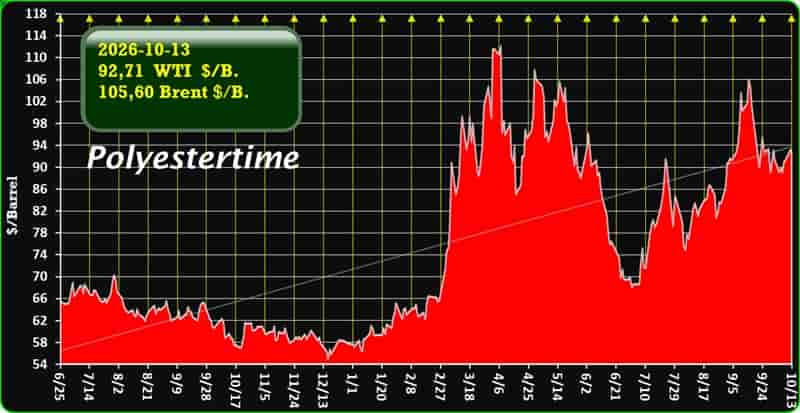
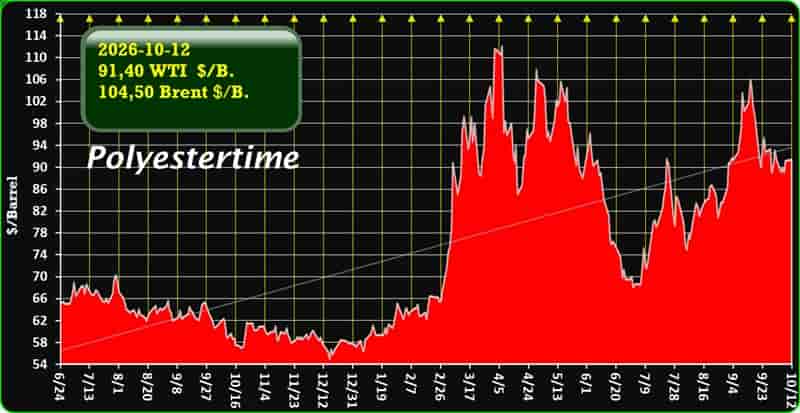
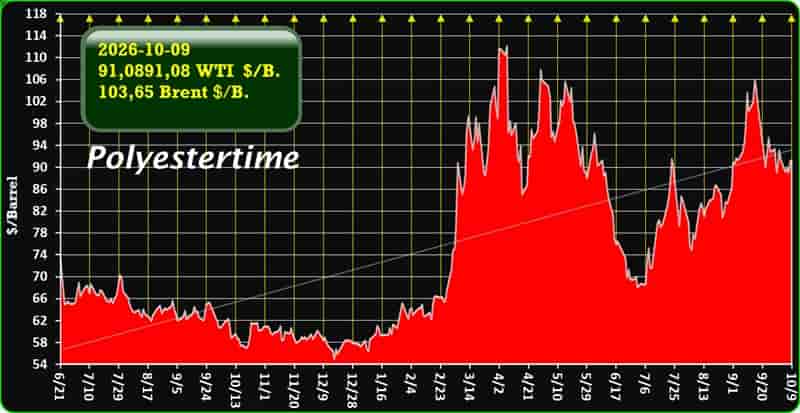
Brent crude and West Texas Intermediate (WTI) prices have experienced sharp swings in recent days, driven by uncertainty surrounding the Strait of Hormuz — one of the world’s most important oil transit corridors. Reuters reported that Brent crude recently traded above $106 per barrel while WTI remained near $101 after another round of geopolitical uncertainty linked to the fragile US-Iran ceasefire.
The latest market reaction shows how sensitive global energy prices remain to military developments in the Gulf region.
Why the Strait of Hormuz Matters
The Strait of Hormuz handles a significant share of the world’s oil exports. Any disruption immediately affects global energy prices, shipping insurance costs, inflation expectations, and fuel markets.
Recent reports indicate that Iran’s export infrastructure and tanker movements have been severely disrupted during the conflict. Bloomberg noted that no ocean-going tankers were observed at Iran’s Kharg Island export hub for several days, signaling a major interruption in oil flows.
The US Energy Information Administration also acknowledged that supply disruptions are now worse than earlier estimates.
As a result, traders continue to price a geopolitical “risk premium” into crude oil futures.
Brent Crude and WTI: Latest Oil Price Trend
Oil prices have become extremely reactive to every diplomatic statement, military action, and ceasefire update.
According to Reuters:
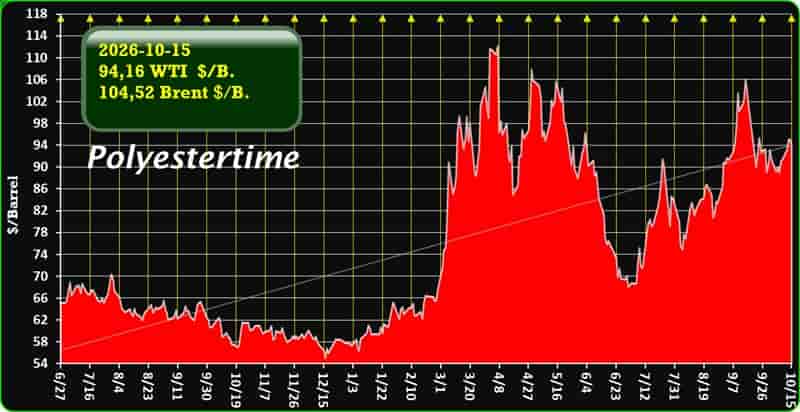
- Brent crude recently climbed above $104 per barrel
- WTI crude moved close to $100 per barrel
- Prices briefly surged after concerns that the ceasefire was “on life support”
Trading Economics data shows Brent crude has risen more than 12% over the last month and over 60% year-over-year.
Market analysts say volatility could continue as long as uncertainty remains around Gulf shipping lanes and regional security.
Inflation Pressure Is Rising Again
Higher oil prices are now feeding directly into inflation.
Recent economic reports show rising fuel costs have already pushed consumer prices higher in the United States. Energy-related inflation accelerated sharply in April as gasoline and transportation costs increased during the conflict.
Analysts warn that prolonged disruptions in oil supply could:
- Increase global transportation costs
- Push food prices higher
- Raise airline and shipping expenses
- Delay central bank interest-rate cuts
This creates additional pressure on consumers and businesses already dealing with elevated borrowing costs.
Ceasefire Talks Remain Fragile
Although diplomatic negotiations continue, markets remain skeptical that stability will return quickly.
Reuters reported that traders reacted negatively after comments suggesting the ceasefire between Washington and Tehran could collapse.
At the same time, geopolitical analysts believe the conflict could remain a long-term risk for energy markets even if active military operations slow down.
The combination of sanctions, export restrictions, and damaged infrastructure may continue affecting oil supply throughout 2026.
Could Oil Prices Rise Further?
Several analysts believe oil could move even higher if shipping disruptions worsen or if attacks expand across the Gulf region.
Some forecasts now expect Brent crude to remain above $100 for extended periods if the Strait of Hormuz remains partially blocked.
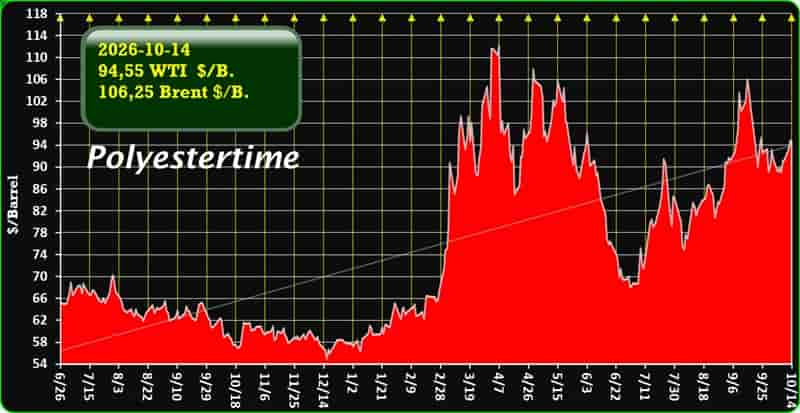
However, oil markets are also vulnerable to sudden reversals. Prices recently dropped sharply during brief periods of optimism surrounding peace negotiations before rebounding again after renewed tensions.
This pattern highlights the extreme uncertainty facing investors, governments, and consumers.
Global Economic Impact
The broader economic consequences are becoming increasingly visible.
Countries heavily dependent on imported energy — especially across Asia and Europe — are facing higher fuel bills and renewed inflation risks. Economists warn that sustained oil prices above $100 per barrel could weaken economic growth globally.
Shipping companies and airlines are also preparing for higher operational costs if instability in the Gulf continues.
Meanwhile, energy-producing nations may benefit from elevated crude prices in the short term, although prolonged instability creates major risks for global trade and investment confidence.
Market Outlook
For now, oil markets remain driven primarily by geopolitics rather than traditional supply-and-demand fundamentals.
Every new development involving the US-Iran conflict, ceasefire negotiations, or the Strait of Hormuz is likely to trigger rapid price swings across energy markets.
Investors will continue monitoring:
- US-Iran diplomatic negotiations
- Tanker traffic through Hormuz
- OPEC supply responses
- US strategic petroleum reserve policy
- Global inflation data
Unless regional tensions ease significantly, volatility is expected to remain elevated across oil and commodity markets throughout the coming months.
Oil markets Surge as Brent Holds Above $106 and WTI Nears $100 Amid Middle East Tensions
More…