Oil Prices Surge as US-Iran Tensions Shake Global Markets: Brent Above $105
Oil Prices Remain Elevated as US-Iran Tensions Keep Markets on Edge
Oil Prices and US-Iran War
Brent Near $105 and WTI Around $98: Why Oil Markets Are Still Nervous
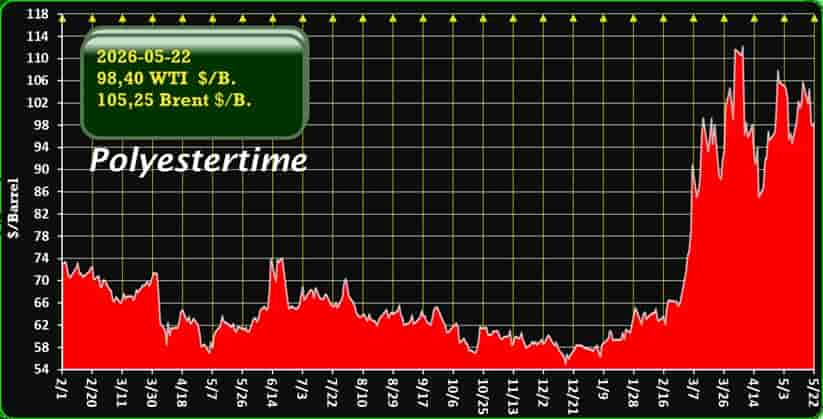
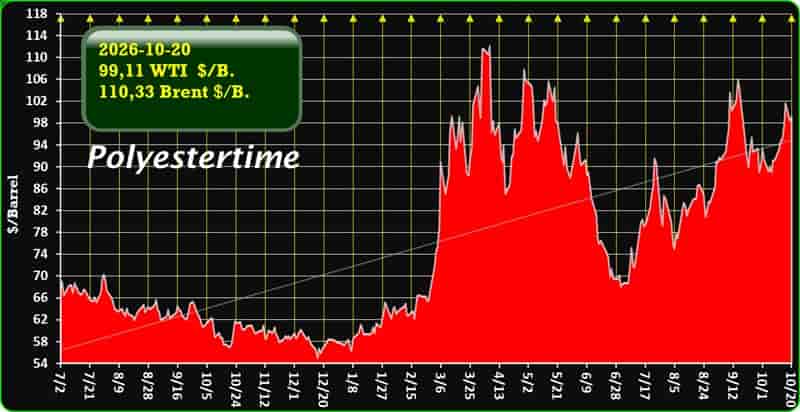
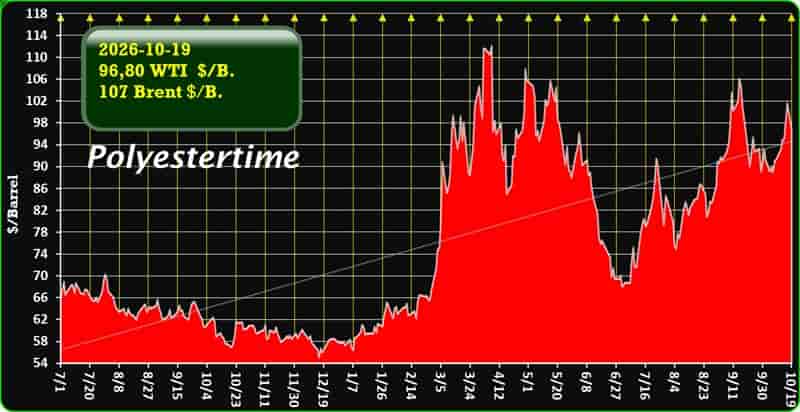
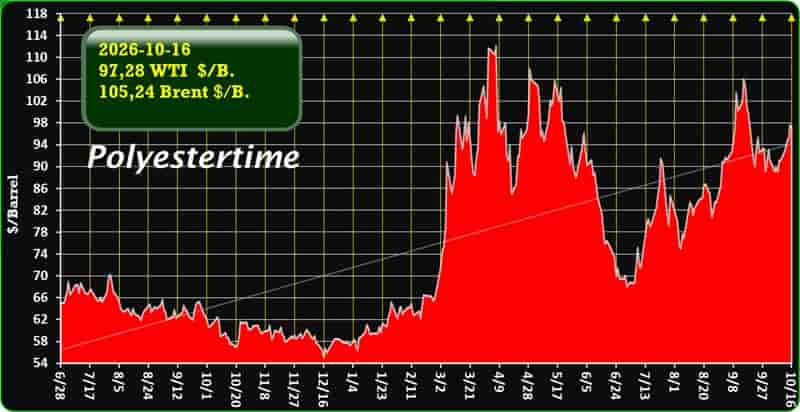
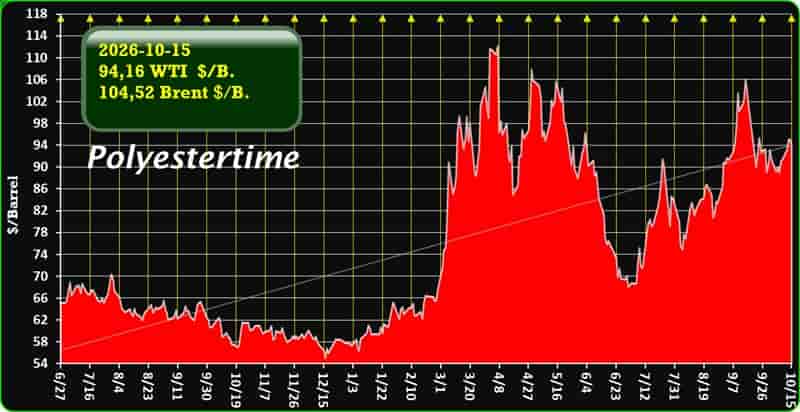
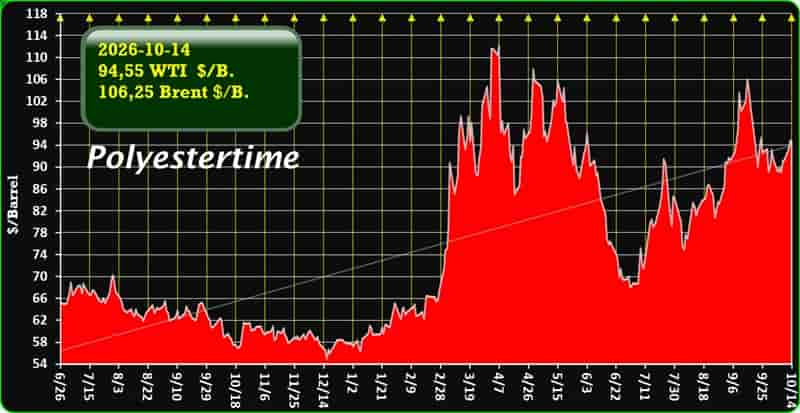
Global oil prices remain highly volatile as geopolitical tensions between the United States and Iran continue to dominate financial markets. Brent crude is currently trading near $105 per barrel, while West Texas Intermediate (WTI) is hovering around $98. These levels reflect persistent fears over energy supply disruptions linked to instability in the Middle East.
The biggest concern for traders remains the Strait of Hormuz, one of the world’s most strategic oil transit routes. Roughly 20% of global oil shipments normally pass through this corridor. Any disruption immediately affects market confidence and pushes prices higher.
Although diplomatic talks between Washington and Tehran continue intermittently, investors remain skeptical that a lasting agreement will arrive soon. Markets have repeatedly reacted to headlines suggesting progress, only to reverse when negotiations stalled again.
The Strait of Hormuz Remains the Key Risk
The current oil rally is not driven only by speculation. Supply concerns are real.
Several reports indicate that shipping activity through the Strait of Hormuz has been heavily disrupted during the crisis. Analysts estimate that millions of barrels per day have been temporarily removed from global supply chains.
This matters because the global oil market still depends heavily on Gulf exports from countries such as:
- Saudi Arabia
- Iraq
- Kuwait
- United Arab Emirates
- Iran
When flows slow down, inventories tighten quickly and refiners worldwide compete for available supply.
Reuters reported that Barclays continues to forecast elevated crude prices through 2026 because inventories remain historically tight and supply disruptions may last longer than expected.
Why Oil Prices Move So Quickly During Geopolitical Crises
Oil reacts faster than many other financial assets because energy is deeply connected to every part of the global economy.
When tensions rise in the Middle East, markets immediately price in several risks:
- Supply interruptions
- Higher tanker insurance costs
- Shipping delays
- Inflation pressure
- Slower global growth
That is why Brent crude recently climbed back above $104 after signs that peace talks between the US and Iran were weakening.
Investors are also concerned that prolonged instability could keep fuel prices elevated through the second half of 2026. Oil Prices and US-Iran War
Impact on Inflation and Consumers
Higher crude oil prices eventually affect households and businesses worldwide.
When Brent and WTI remain elevated for long periods, the effects usually include:
- More expensive gasoline and diesel
- Rising transport and logistics costs
- Higher airline ticket prices
- Increased manufacturing expenses
- More pressure on central banks to keep interest rates high
Financial analysts warn that persistent energy inflation could complicate monetary policy in both the United States and Europe.
For consumers, this often translates into slower economic growth and reduced purchasing power.
Could Oil Prices Rise Even Further?
Several analysts believe oil could climb substantially higher if the situation escalates further.
Some worst-case scenarios discussed by market strategists include:
- A complete shutdown of Hormuz shipping lanes
- Direct attacks on major oil infrastructure
- Wider regional military escalation
- Failure of all diplomatic negotiations
Under severe supply disruption scenarios, some forecasts suggest Brent crude could temporarily move toward $130 or even higher.
However, markets remain extremely sensitive to diplomatic developments. Even small signs of progress between Washington and Tehran can quickly trigger sharp price declines.
This explains why oil markets have experienced violent swings throughout recent weeks.
OPEC and Global Producers Are Under Pressure
OPEC+ producers are closely monitoring the situation.
While some countries may increase production modestly to calm markets, replacing lost Gulf exports entirely would be difficult in the short term.
Meanwhile, countries heavily dependent on imported energy — especially in Asia and Europe — are attempting to secure alternative supply routes and increase strategic reserves.
The United Arab Emirates has also accelerated plans for pipeline infrastructure that bypasses the Strait of Hormuz, highlighting how seriously governments view the ongoing risk.
What Investors Are Watching Next
The next phase for oil prices will likely depend on three major factors:
1. US-Iran Negotiations
Any credible diplomatic breakthrough could reduce geopolitical risk premiums rapidly.
2. Strait of Hormuz Traffic
Shipping normalization would ease supply fears and stabilize prices.
3. Global Demand
If high energy costs slow economic activity significantly, demand destruction could eventually push oil lower again.
For now, however, uncertainty remains the dominant force in the market.
Final Outlook
Oil prices continue to reflect a fragile geopolitical environment.
With Brent near $105 and WTI around $98, markets are signaling that investors still expect prolonged tension surrounding the US-Iran conflict and the Strait of Hormuz.
The coming weeks will be critical for determining whether diplomacy can calm energy markets or whether another escalation sends crude prices even higher.
For businesses, investors, and consumers, oil remains one of the most important indicators to watch in 2026.
Oil Prices Surge as US-Iran Conflict Threatens Global Energy Markets
More…