US-Iran War: Oil Prices Fall as Markets Bet on Peace but Fear New Escalation
US-Iran oil prices
Oil markets are rapidly repricing the geopolitical risk surrounding the war between the United States and Iran.
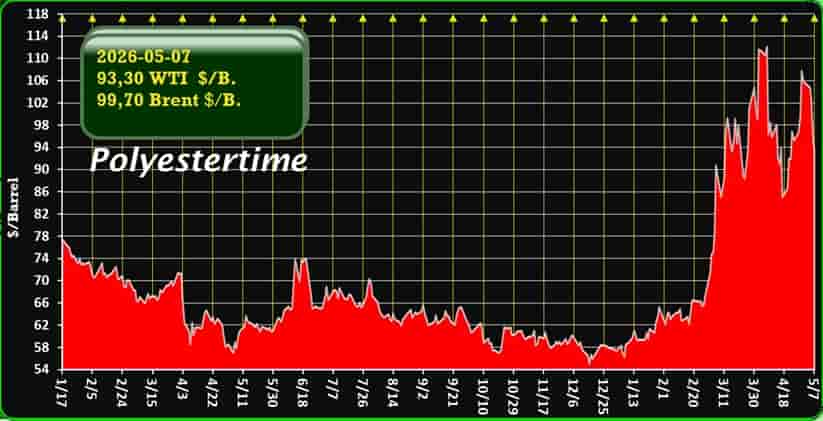
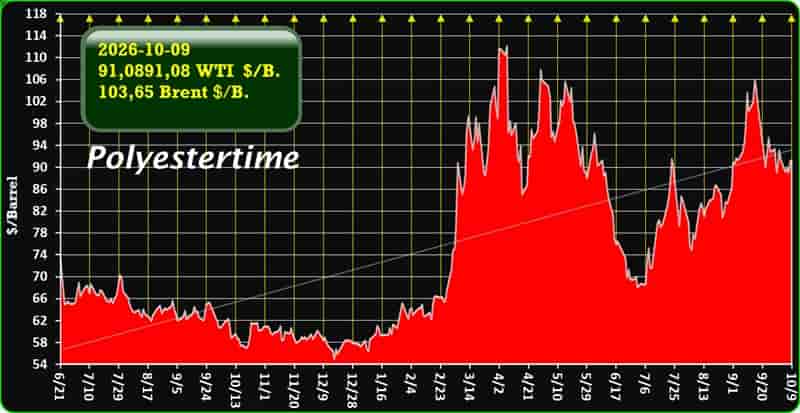
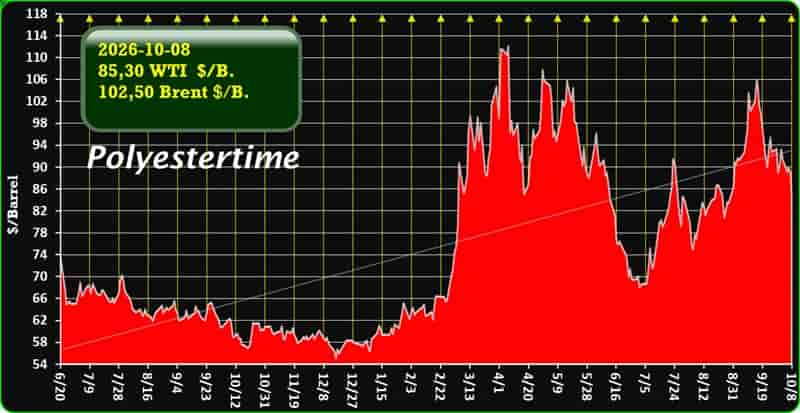
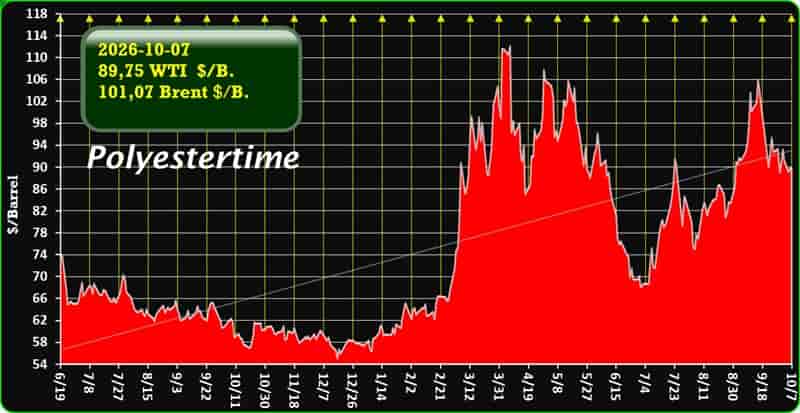
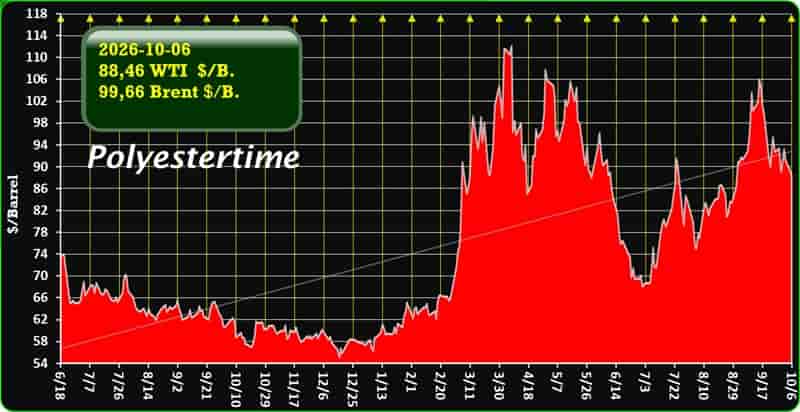
After weeks of extreme volatility linked to attacks around the Strait of Hormuz, benchmark crude prices have retreated sharply on expectations that diplomatic negotiations could avert a wider regional escalation. West Texas Intermediate (WTI) is now hovering near 92 dollars a barrel, while Brent crude has slipped toward 98 dollars, a dramatic reversal from the panic-driven highs recorded only days ago.
The decline comes as traders increasingly focus on the possibility of a ceasefire or at least a temporary stabilization in the Gulf. According to Reuters, President Donald Trump signaled optimism about a “swift end” to the conflict, while Iranian officials confirmed that a U.S.-backed proposal is under review.
Although Tehran publicly dismissed parts of the American initiative as unrealistic, financial markets interpreted the diplomatic activity as a sign that both sides may be seeking an off-ramp from a conflict that has already disrupted global energy flows.
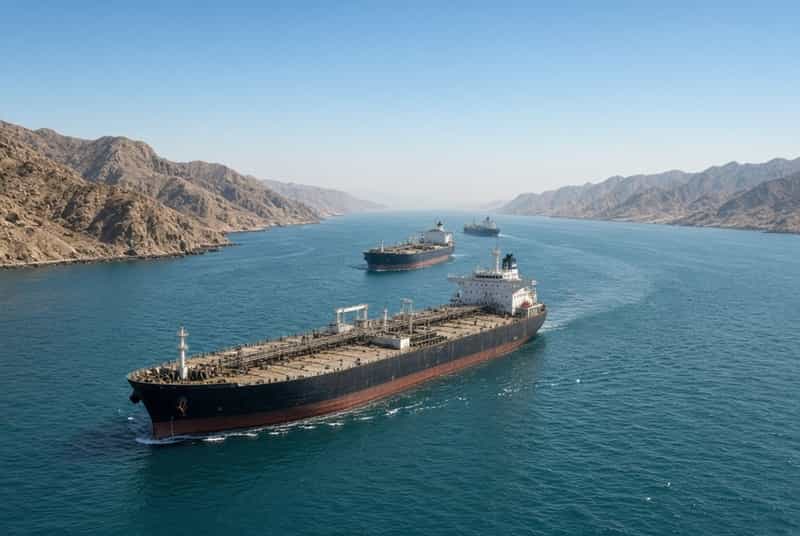
The immediate trigger for the latest sell-off in crude was speculation that restrictions around the Strait of Hormuz could soon be eased. The narrow maritime corridor remains one of the world’s most critical energy chokepoints, handling roughly one-fifth of global oil and gas shipments under normal conditions. Since the outbreak of hostilities earlier this year, Iran’s intermittent restrictions on shipping traffic have caused one of the most severe supply disruptions in modern energy history.
Only a few days ago, Brent crude had surged above 110 dollars and at one point briefly approached 120 dollars as fears mounted that the conflict could spiral into a broader regional war. Analysts warned that a prolonged closure of Hormuz could send oil prices toward 150 or even 200 dollars per barrel under worst-case scenarios.
Now, however, sentiment has shifted sharply. Investors are betting that even a partial reopening of maritime traffic would significantly reduce the geopolitical premium embedded in oil prices. Reports from multiple international media outlets indicate that U.S. naval operations intended to secure shipping lanes have been temporarily paused to allow room for negotiations.
Still, energy analysts caution that the situation remains extremely fragile. While prices have fallen rapidly, supply chains have not returned to normal. Tanker traffic remains below pre-war levels, insurance costs for shipping through the Gulf are still elevated, and many energy companies continue to reroute cargoes or delay deliveries. Reuters reported that U.S. fuel inventories are shrinking, leaving global markets vulnerable to another sudden spike if diplomacy fails.
The current price levels — around 92 dollars for WTI and 98 dollars for Brent — reflect a market caught between two opposing scenarios.
On one side is the possibility of a negotiated settlement that would reopen shipping lanes and gradually restore exports from the Gulf. On the other is the risk of renewed military escalation, which could once again threaten energy infrastructure and tanker routes across the Middle East.
Financial markets are reacting accordingly. Global stock indices rallied as oil retreated, with airline and travel shares among the strongest performers because lower crude prices reduce fuel costs. Investors are also reassessing inflation expectations, since a sustained decline in energy prices could ease pressure on central banks that have been struggling with elevated inflation linked to the conflict.
Despite the recent correction, crude prices remain historically elevated. Before the war intensified, Brent was trading well below current levels. The conflict has already reshaped expectations for global growth, inflation, and energy security. The International Energy Agency has described the crisis as one of the most serious threats ever faced by the global oil market, warning that prolonged disruptions in the Gulf could have consequences comparable to the energy shocks of the 1970s.
Another important factor is uncertainty surrounding Iran’s next move. Tehran has repeatedly demonstrated its ability to influence shipping flows through Hormuz, either directly or indirectly. Even if a temporary agreement is reached, traders remain concerned that tensions could flare up again with little warning. Several analysts note that the market’s extreme volatility reflects not only the military situation but also the lack of clarity about the durability of any future peace arrangement.
For now, oil traders are positioning cautiously.
The rapid fall from recent highs suggests that investors believe the probability of a full-scale regional war has decreased, at least temporarily. Yet the persistence of high freight costs, lower inventories, and unstable shipping routes indicates that the energy market is far from returning to normal conditions. Any renewed attack on tankers, oil facilities, or naval assets in the Gulf could quickly reverse the latest decline and send crude prices soaring again.
The coming days will therefore be critical. If negotiations between Washington and Tehran advance and maritime traffic resumes more freely through Hormuz, oil could continue moving lower. But if diplomacy collapses and hostilities resume, the current retreat in prices may prove only temporary. For global markets, the war remains the single most important geopolitical driver of energy prices — and the balance between peace and escalation is still hanging by a thread.
Oil Prices Fall Below $100 as Global Stocks Surge on Iran Peace Hopes
More…