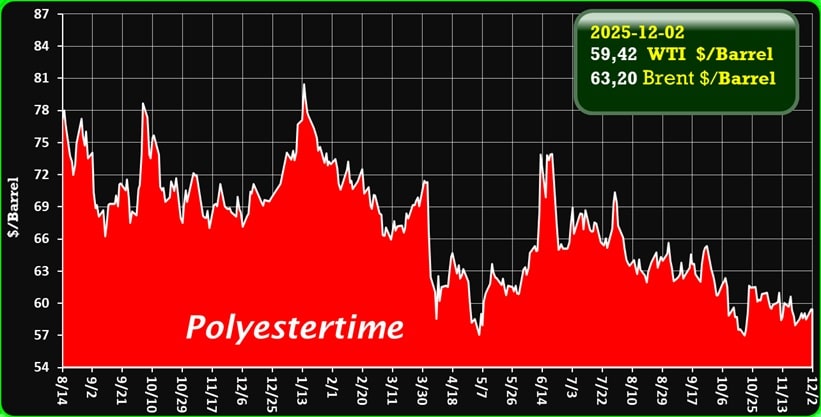
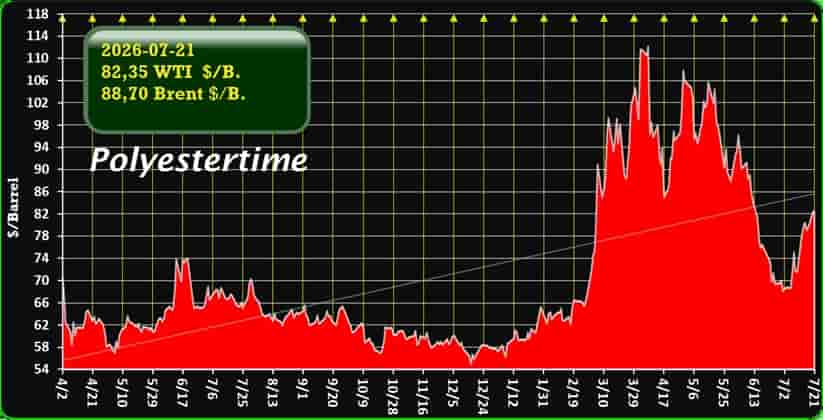
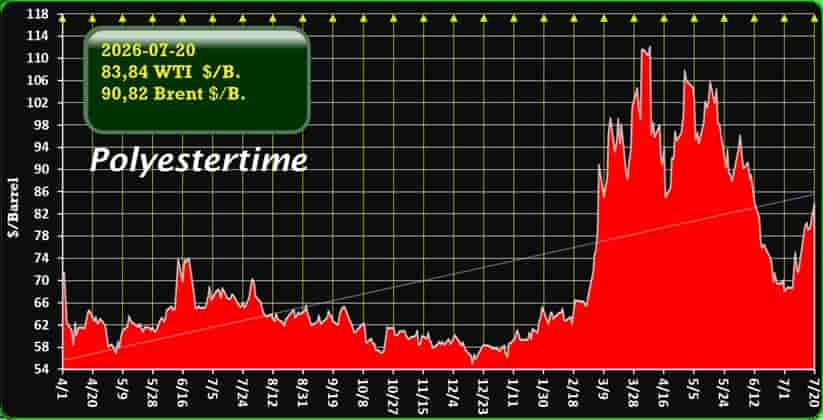
Oil price today: Brent at $63.26 and WTI at $59.50 — modest rise amid geopolitical jitters and supply caution 02-12-2025
? Oil price – Current Prices & Market Snapshot
Here is a quick look at where oil price stands as of December 2, 2025:
| Benchmark | Price (USD per barrel) |
|---|---|
| Brent Crude | $63.26 |
| WTI (West Texas Intermediate) | $59.50 |
These levels reflect a modest recovery following recent volatility — a trend underpinned by a mix of geopolitical tensions and cautious supply sentiment.
What’s Driving the Oil Price Now
• Geopolitical risks and supply-side jitters
Markets remain sensitive to ongoing geopolitical developments. Recent drone strikes targeting Russian energy infrastructure — including damage to a major Black Sea export terminal — have fueled concerns about potential disruptions to Russian oil flows. Reuters+2Reuters+2
At the same time, tensions between the United States and Venezuela over sanctions and airspace restrictions are keeping traders alert, reinforcing a cautious tone on future supply. Reuters+1
• Mixed US inventory and demand signals
Analysts point to ambiguous U.S. inventory data: crude oil stocks appear to be declining, but refined-product inventories may be rising. This mixed picture tempers bullish expectations, constraining strong upward moves in the short term. Межа. Новини України.+1
• Attempt at stability amid supply-demand balancing
After recent gains, some comfort stems from a perception that markets are attempting to stabilize. The modest December rise suggests traders are cautiously optimistic — but still wary of new shocks. Межа. Новини України.+1
Context: Recent Oil Market Trends
-
Over the past weeks, the broader trend in the oil market has been shaped by supply concerns, oversupply at times, and fluctuating demand. Reuters+2Reuters+2
-
In late November, oil saw brief dips as oversupply fears and weak global demand weighed on sentiment. Reuters+1
-
However, recent external shocks — especially geopolitical — have helped underpin oil price levels, highlighting how quickly sentiment can shift in the commodity. Reuters+2Reuters+2
What to Watch Next
-
Geopolitical flashpoints — Any further disruptions to oil infrastructure (e.g., in the Black Sea, Venezuela, or Russia) could rapidly push prices upward.
-
Supply policy from major producers — If producers tighten output or if sanctions impact supply, that could support higher prices.
-
U.S. inventory and demand data — New reports on crude and refined products inventories, alongside demand forecasts, will influence near-term price direction.
-
Global economic growth and demand — Sluggish macroeconomic growth or signs of a slowdown in demand could undercut oil prices.
Why This Matters
For businesses, investors, and consumers — from energy companies, refineries, to anyone paying attention to fuel costs — these price levels and risks matter. The moderate rise to ~$63.26 (Brent) and ~$59.50 (WTI) reflects not only current tensions but also the fragility of balance between supply, demand, and sentiment.
Meanwhile, from a longer-term perspective, market watchers remain divided: some believe tight supply and geopolitical risks could keep prices supported; others warn that oversupply and weak demand point to possible price softness in 2026. Reuters+2Business Insider+2
Conclusion
As of December 2, 2025, the Brent Crude sits at $63.26 per barrel, while WTI Crude Oil is around $59.50 — a modest rebound amid geopolitical tension, supply-side caution, and mixed inventory data. The near-term outlook appears cautiously balanced: while supply risks may support prices, demand uncertainty and inventory signals could limit further upside. Markets now watch closely for new signals: political developments, inventory updates, and global demand trends.