Global Tensions Deepen as Diplomacy Falters: Middle East Escalation, Ukraine Stalemate, and Fragile Peace Efforts Shape a Dangerous February 2026 19-02-2026
Global Tensions Deepen as Diplomacy Falters in a High-Risk February 2026
The week of February 13–19, 2026 marked a pivotal moment in global tensions, as fragile diplomatic channels struggled to contain mounting geopolitical risk. From the Strait of Hormuz to the battlefields of Ukraine, policymakers faced intensifying pressure while markets reacted to uncertainty across energy, security, and international trade corridors.
This period underscored how interconnected today’s crises have become. Military signaling, economic leverage, and diplomatic negotiation are unfolding simultaneously, amplifying instability rather than resolving it.
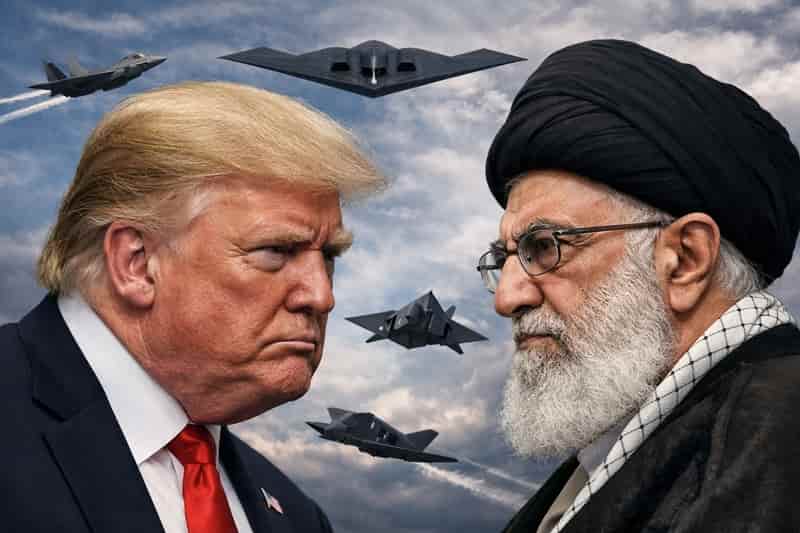
Middle East Flashpoint: Strait of Hormuz and Iran–US Escalation
One of the most consequential developments involved renewed friction between Iran and the United States. During live-fire naval exercises, Iran temporarily restricted transit through the Strait of Hormuz, a strategic chokepoint through which roughly one-fifth of global oil supply moves daily. Even a limited disruption to this corridor immediately reverberates across global energy markets.
Energy traders responded with volatility as geopolitical risk premiums widened. The Strait of Hormuz is not simply a regional waterway; it is a systemic artery for global energy security. Any perceived threat to its openness magnifies global tensions and fuels inflationary concerns worldwide.
The maneuver coincided with indirect diplomatic talks in Geneva over Iran’s nuclear program. While Iranian officials framed the naval action as a routine military drill, Western governments interpreted the move as calibrated signaling during sensitive negotiations. Uranium enrichment remains a core sticking point. Tehran views enrichment capability as sovereign policy, while Western negotiators see it as a proliferation risk.
Compounding regional concerns, Iran conducted joint naval exercises with Russian forces in the Gulf of Oman. This cooperation reflects deeper strategic alignment between Tehran and Moscow. For analysts tracking global tensions, this signals a shift toward multipolar military coordination that complicates Western deterrence strategies.
Reports also circulated that contingency planning is underway in Washington and Tel Aviv for potential strikes on Iranian nuclear infrastructure if talks collapse. While no formal decision has been announced, even discussion of military options reinforces elevated geopolitical risk in the region.
Ukraine War: Diplomacy Stalled Amid Intensified Military Activity
In Eastern Europe, the war in Ukraine approached its fourth year with no decisive diplomatic breakthrough. A new round of Geneva talks brought Russian and Ukrainian delegations to the table under US mediation. However, negotiations made limited progress.
Core disputes remain unchanged. Control over territories in Donbas, the status of Crimea, and the future of the Zaporizhzhia nuclear power plant continue to divide both sides. Kyiv demands restoration of territorial sovereignty and durable security guarantees. Moscow maintains strategic claims over annexed regions.
As diplomacy unfolded, military escalation continued. Russian forces launched extensive missile and drone strikes targeting Ukrainian infrastructure. The timing of these attacks, just ahead of negotiations, reinforced skepticism about the sincerity of ceasefire discussions.
NATO air forces scrambled jets from Poland in response to heightened Russian air activity. Although no direct confrontation occurred, the incident highlighted how quickly regional conflict could broaden. The risk of miscalculation remains a persistent factor in global tensions.
For policymakers in Brussels and Washington, the challenge is twofold: sustain military support for Ukraine while avoiding escalation into direct NATO–Russia confrontation. This balancing act underscores the fragile nature of European security architecture.
Multilateral Diplomacy Under Strain
Despite heightened global tensions, diplomatic initiatives have not ceased. Instead, they reveal how complex modern crisis management has become.
In the Middle East, negotiators described certain aspects of the Geneva nuclear discussions as technically constructive. However, disagreements over verification mechanisms, inspection regimes, and enrichment caps remain substantial. Without agreement on compliance frameworks, any deal risks being temporary.
In Europe, discussions around a comprehensive ceasefire remain aspirational. Even if a temporary pause were achieved, rebuilding trust would require enforceable security guarantees and reconstruction funding on a historic scale.
Another development during the week was the unveiling of a US-backed multilateral initiative designed to coordinate reconstruction in conflict zones, including Gaza. The proposal aims to streamline funding, governance oversight, and infrastructure rebuilding. Critics argue that financing clarity and political buy-in from regional actors remain uncertain.
For analysts examining global tensions, the recurring theme is institutional strain. Multilateral frameworks are active, but consensus is fragile.
Energy Markets and Economic Reverberations
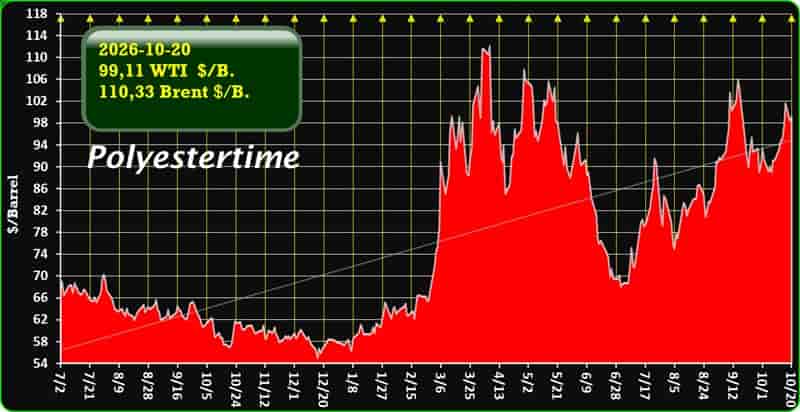
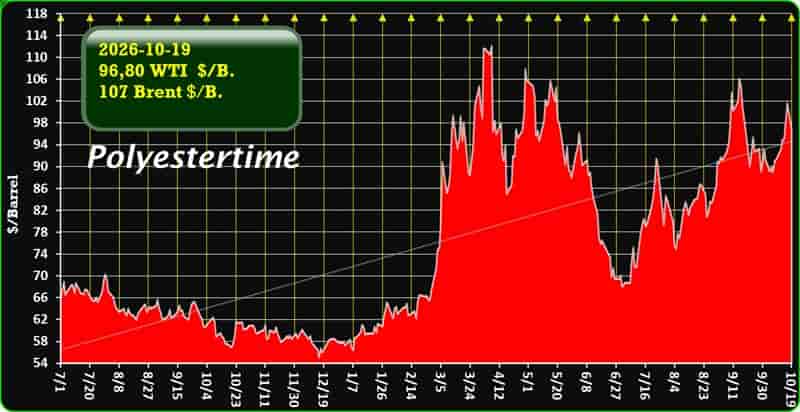
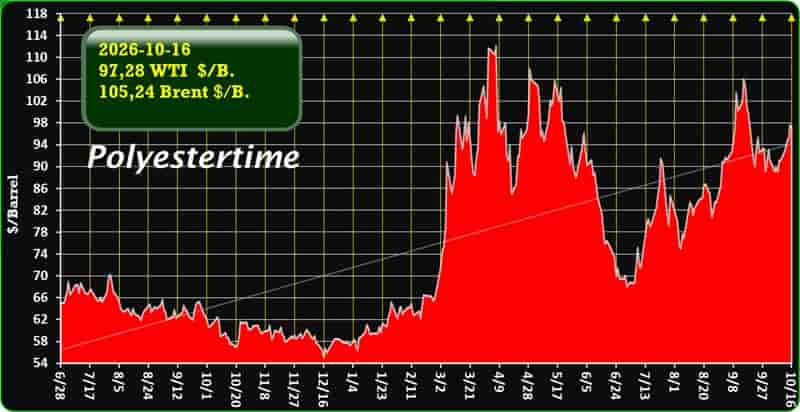
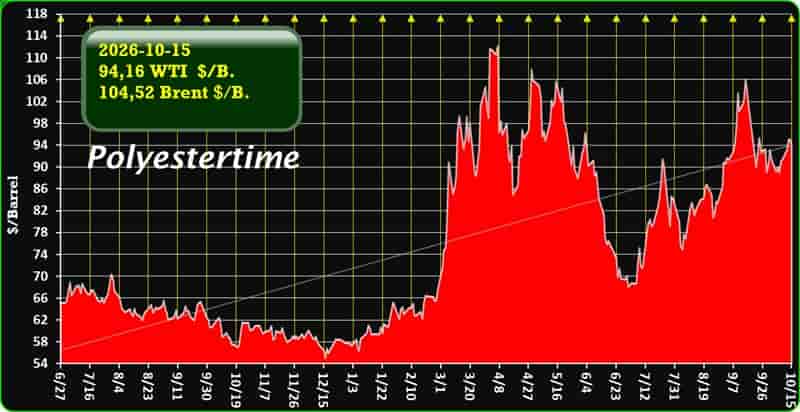
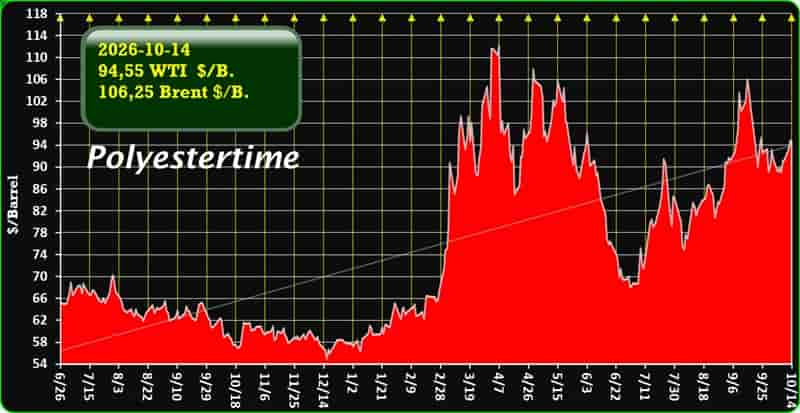
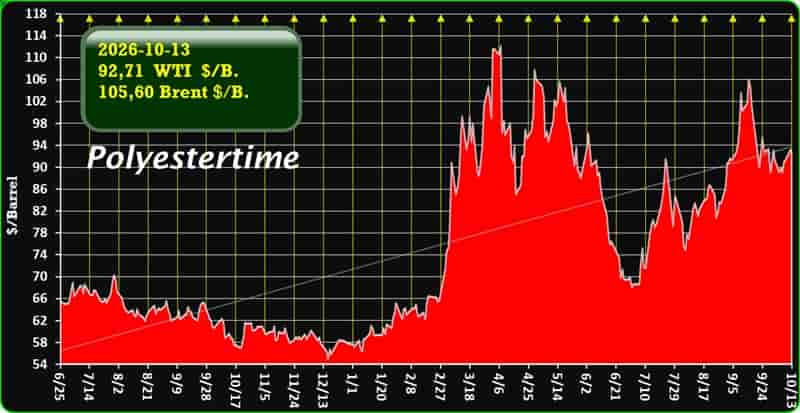
Energy security remains central to understanding current geopolitical risk. The Strait of Hormuz episode reminded investors that energy supply routes are vulnerable to political confrontation. Oil price fluctuations reflect not only supply fundamentals but also perceived escalation probabilities.
Higher energy prices risk compounding inflationary pressures in Europe and emerging markets. Supply chain resilience, diversification strategies, and alternative energy investments are therefore moving back to the top of policy agendas.
Simultaneously, defense spending trajectories continue rising. Governments facing sustained global tensions are increasing military budgets, reshaping fiscal priorities and long-term economic planning.
Information Warfare and Strategic Signaling
Beyond physical conflict, narrative competition remains intense. Both Iran–US negotiations and Ukraine war diplomacy unfold in parallel with strategic messaging campaigns.
Public communication serves as deterrence signaling. Statements from officials, troop movements, and military exercises are designed to shape perception as much as battlefield outcomes. In this environment, misinterpretation can escalate geopolitical risk rapidly.
For media consumers and investors, distinguishing tactical signaling from imminent action is increasingly difficult. That ambiguity itself sustains global tensions.
Outlook: A System Under Pressure
The week of February 13–19, 2026 demonstrated that global tensions are not isolated flashpoints but interconnected stressors within the international system.
Three structural dynamics stand out:
-
Strategic chokepoints such as the Strait of Hormuz amplify local disputes into global economic shocks.
-
Frozen conflicts like Ukraine’s resist rapid diplomatic closure.
-
Multilateral institutions face growing difficulty enforcing consensus in a multipolar landscape.
While diplomacy remains active, it operates under significant constraints. Escalation thresholds are being tested, yet no major actor appears ready to trigger direct large-scale confrontation. Instead, calibrated pressure, proxy alignment, and economic leverage dominate.
For policymakers, businesses, and citizens, the key question is sustainability. Can the current level of global tensions remain contained without tipping into systemic crisis?
The final week of mid-February 2026 suggests that the international order is navigating a narrow corridor between confrontation and compromise. Stability persists, but it is increasingly fragile.
More…