China’s Energy Security Shaken by the Strait of Hormuz Crisis: 5 Strategic Fears
China Faces Strategic Fears During the Escalating Strait of Hormuz Crisis: 5 Risks
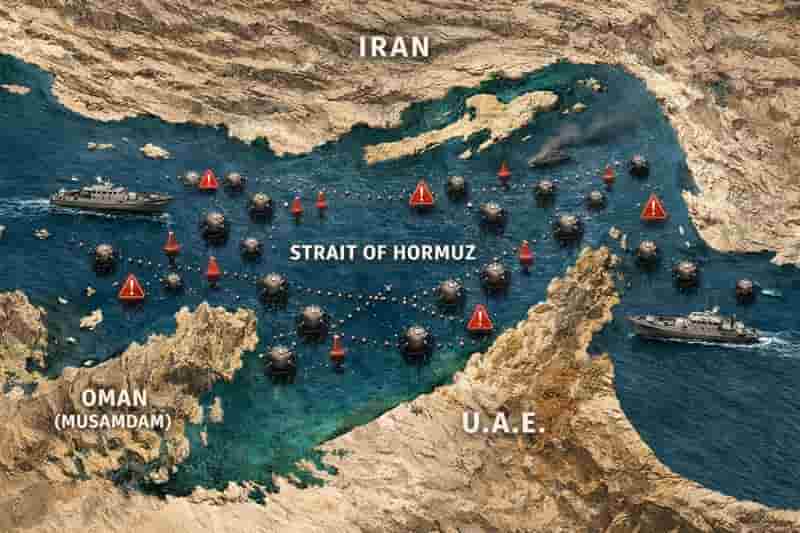
The Strait of Hormuz crisis has rapidly become one of the most dangerous flashpoints in global geopolitics. What initially appeared as a regional military confrontation is now affecting the global economy, energy markets, and strategic relations between major powers.
For China, the Strait of Hormuz crisis is not merely a distant conflict. It directly threatens the stability of its energy supply chain and exposes vulnerabilities in Beijing’s long-term geopolitical ambitions. As tensions escalate between Iran, the United States, and regional actors, Chinese leaders are carefully balancing diplomacy, strategic support, and economic protection.
Understanding China’s position requires examining the fears and calculations shaping Beijing’s response to the Strait of Hormuz crisis.
Iran Sends a Message From Beijing
The geopolitical drama intensified when Iran delivered a carefully calibrated message through its ambassador in Beijing. Tehran attempted to signal that the safety of shipping in the Gulf depends on broader regional security conditions.
The statement suggested that Iran considers itself responsible for protecting maritime traffic through the Strait, while simultaneously warning that security cannot be guaranteed if the surrounding region remains unstable. Shortly after this diplomatic communication, Iranian forces targeted several cargo vessels operating in the area.
The contradiction between the diplomatic tone and military actions illustrates the strategic pressure Tehran is applying. By controlling tensions in the Strait of Hormuz crisis, Iran aims to influence both Western governments and its key partners, especially China.
Broadcasting this message from Beijing was not accidental. Iran is signaling to China that its energy lifeline could remain stable if the conflict de-escalates.
Why the Strait of Hormuz Matters So Much to China
The Strait of Hormuz crisis poses a significant risk to China’s energy security. More than half of China’s imported oil originates from the Persian Gulf, making the region essential for sustaining the country’s industrial growth.
A prolonged disruption in the Strait would threaten not only oil supplies but also shipments of other strategic commodities, including petrochemicals, fertilizers, and industrial metals. These materials underpin global manufacturing chains and are deeply integrated into China’s export-driven economy.
China has already taken precautionary measures. In early 2026, Beijing significantly increased oil purchases and expanded its strategic reserves. Today, China holds one of the largest energy stockpiles in the world, exceeding the combined reserves of many advanced economies.
Despite these preparations, the Strait of Hormuz crisis continues to expose the structural dependence of China’s economy on maritime energy routes.
The Strategic Risk of US Influence in the Gulf
One of Beijing’s deepest concerns involves the potential political outcome of the conflict. If the war were to produce an Iranian government aligned with Washington, the balance of power in the Gulf would shift dramatically.
Such a scenario would allow the United States to exert indirect influence over the Strait of Hormuz crisis and the broader energy corridor. Control over this strategic chokepoint would give Washington enormous leverage over China’s economy.
For Beijing, this possibility represents a serious strategic vulnerability. In a future geopolitical confrontation, especially over Taiwan, the United States could potentially disrupt China’s oil supply by leveraging its position in the Gulf.
As a result, China has strong incentives to prevent a political transformation in Iran that could strengthen American influence in the region.
Beijing’s Quiet Support for Tehran
While China has avoided overt military involvement, its actions suggest discreet support for Tehran during the Strait of Hormuz crisis.
Reports indicate that China has deployed reconnaissance capabilities in the region, including surveillance vessels designed to collect strategic intelligence. In addition, Chinese satellite navigation systems may provide targeting assistance for Iranian drone operations.
Advanced radar systems supplied by Beijing are also believed to help track aerial movements across the Gulf. These capabilities allow Iran to monitor foreign military activity more effectively.
From Beijing’s perspective, these measures are part of a broader strategy: maintaining regional balance without becoming directly involved in the conflict.
China’s leadership is attempting to protect its energy interests while avoiding the political consequences of open confrontation with the United States.
China’s Energy Strategy Under Pressure
The Strait of Hormuz crisis highlights a deeper challenge within China’s global strategy. For decades, Beijing has worked to secure diversified energy sources, investing heavily in pipelines, overseas oil fields, and strategic reserves.
Russia has recently become China’s largest oil supplier, reducing partial dependence on the Gulf. However, Saudi Arabia and Iran remain critical partners within Beijing’s energy network.
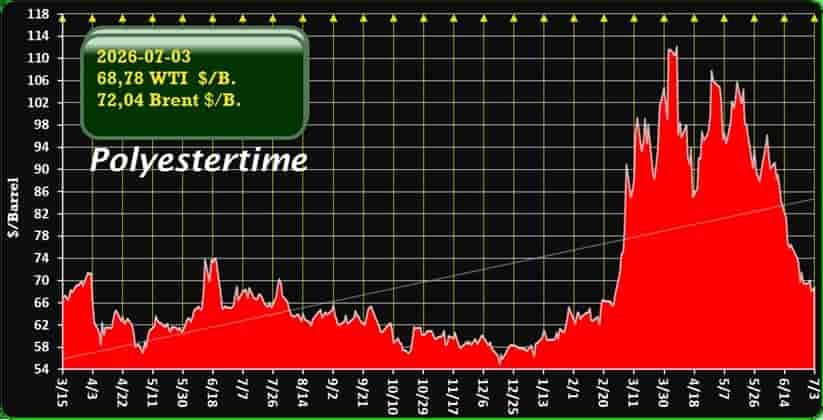
Even with diversification, the Strait remains an unavoidable chokepoint for global oil shipments. Any disruption has immediate consequences for prices, supply stability, and economic confidence.
This reality explains why Chinese policymakers are closely monitoring developments in the Gulf and actively preparing contingency plans.
The Political Dimension of the Crisis
Beyond energy security, the Strait of Hormuz crisis also carries major geopolitical implications.
Chinese leaders frequently argue that global power is gradually shifting from Western dominance toward a more multipolar system. However, the current conflict has reminded Beijing of the continued strength of American military capabilities.
Some Chinese analysts are quietly reassessing assumptions about the balance of power between East and West. The outcome of the Gulf confrontation may influence how Beijing approaches future strategic decisions, particularly regarding Taiwan.
At the same time, diplomatic engagement remains a priority. China is keen to maintain communication channels with Washington, including high-level meetings between political leaders.
Maintaining dialogue reduces uncertainty and helps Beijing manage risks associated with the Strait of Hormuz crisis.
A Global Energy Flashpoint
The Strait of Hormuz crisis has evolved into far more than a regional dispute. It now represents a critical test of global power dynamics, energy security, and geopolitical influence.
For China, the stakes are especially high. The conflict threatens its oil supply, exposes strategic vulnerabilities, and complicates its relationship with the United States.
As the situation continues to unfold, Beijing will likely pursue a careful balance between supporting key partners like Iran and avoiding direct confrontation with Western powers.
The outcome of the Strait of Hormuz crisis could reshape global energy flows and redefine the strategic landscape of the twenty-first century.
More…