3 Critical Japan Monetary Signals That Could Shake Global Financial Markets Soon
Why the Japan Monetary Policy Signal Matters More Than Oil Prices
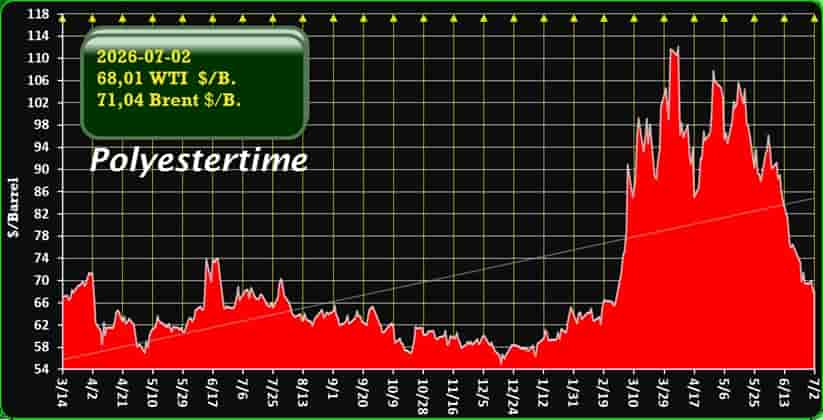
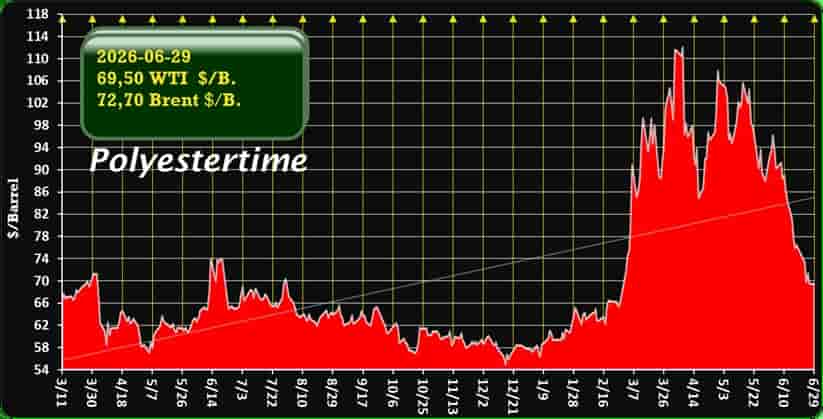
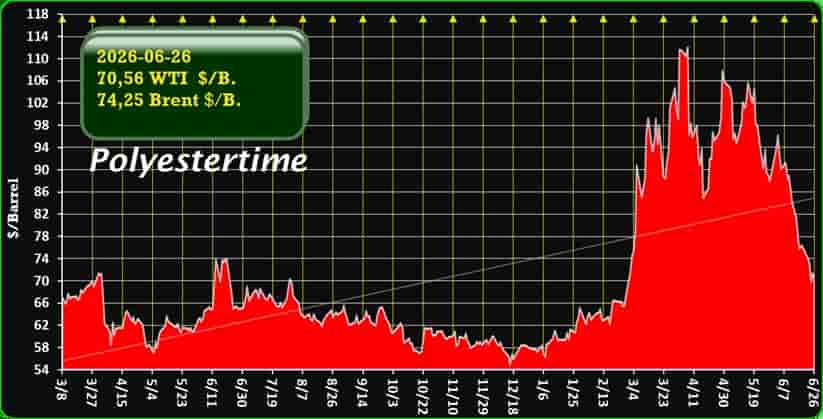
Global investors are once again watching oil prices climb, but the most important factor for markets may not be crude itself. Instead, the real variable could be the Japan monetary policy signal coming from the Bank of Japan.
Financial markets are increasingly sensitive to signals from central banks. While the US Federal Reserve and the European Central Bank often dominate headlines, developments in Japan may have an equally powerful impact on global liquidity.
If rising energy prices push Japan toward tighter monetary policy, the resulting Japan monetary policy signal could ripple through international equity markets, bond markets, and currency flows.
In a financial system that is deeply interconnected, even subtle shifts in Japanese policy can trigger global reactions.
Japan’s Structural Vulnerability to Energy Shocks
To understand the importance of the Japan monetary policy signal, it is essential to examine the country’s dependence on imported energy.
Japan is one of the most energy-import-dependent advanced economies in the world. Unlike the United States or major oil producers, the country has very limited domestic fossil fuel resources.
Approximately 95 percent of the oil consumed in Japan is imported, and a large portion of those supplies originate from the Middle East. Around 70 percent of Japanese oil imports travel through the Strait of Hormuz, one of the most geopolitically sensitive energy routes on the planet.
This heavy reliance on imported fuel creates a structural vulnerability. When oil prices rise or geopolitical tensions disrupt supply routes, Japan experiences immediate economic pressure.
Energy costs quickly spread across the entire economy. Industrial production, logistics, transportation, and household expenses all increase. Economists refer to this dynamic as imported inflation.
For Japan, imported inflation carries particular significance because the country spent more than two decades battling deflation.
The Historic Shift in Japanese Monetary Policy
The Japan monetary policy signal became especially important after the Bank of Japan began shifting away from its ultra-loose policy framework.
For more than twenty years, Japan maintained one of the most accommodative monetary regimes in the world. The Bank of Japan implemented negative interest rates, large-scale asset purchases, and an unusual system known as Yield Curve Control.
These policies were designed to stimulate economic growth and raise inflation toward the central bank’s 2 percent target.
However, conditions began to change. Gradually rising prices and wage pressures altered the economic landscape. In 2024, the Bank of Japan made a historic move by lifting interest rates above zero for the first time in years.
This policy shift represented a significant Japan monetary policy signal to global markets.
Japan had long been the final stronghold of ultra-low interest rates. Its gradual normalization marked an important turning point in the global monetary environment.
Oil Prices Could Increase Pressure on the Bank of Japan
The current rise in oil prices may reinforce the importance of the Japan monetary policy signal in the coming months.
Higher energy costs could once again push inflation upward in Japan through imported price increases. If this trend becomes persistent, the Bank of Japan may face a difficult policy dilemma.
On one side, policymakers could tolerate temporary inflation spikes caused by external factors such as energy prices.
On the other side, the central bank could respond with tighter monetary policy to prevent inflation from becoming entrenched in the economy.
Any decision in that direction would represent a strong Japan monetary policy signal that global investors cannot ignore.
The Carry Trade: A Hidden Engine of Global Liquidity
One of the most important mechanisms influenced by the Japan monetary policy signal is the global carry trade.
For decades, extremely low Japanese interest rates allowed investors to borrow yen at minimal cost. These funds were then invested in higher-yielding assets around the world.
This strategy generated massive capital flows into international stock markets, bonds, and emerging economies.
The stability of the carry trade depended heavily on Japan maintaining low interest rates and stable government bond yields.
However, if the Japan monetary policy signal points toward higher interest rates or rising Japanese bond yields, the attractiveness of this strategy could decline.
How Rising Japanese Yields Could Trigger Market Shifts
A rise in Japanese government bond yields would have several global consequences.
First, investors might begin repatriating capital back to Japan as domestic yields become more attractive.
Second, some traders could close yen-funded positions used to finance investments abroad. This unwinding of carry trades could reduce global liquidity.
This process would not necessarily cause immediate financial collapse. However, it could create a more fragile market environment with sharper swings in asset prices.
Recent history offers a clear example. In August 2024, a sudden jump in Japanese bond yields triggered a wave of volatility across global financial markets.
The episode reminded investors how sensitive the global system has become to the Japan monetary policy signal.
Why Global Markets Are Watching Japan More Closely
Financial markets are currently characterized by elevated valuations, particularly in the United States.
Equity indices have reached historically high levels, while market capitalization is increasingly concentrated in a small number of technology companies.
In such an environment, even modest shifts in liquidity conditions can have amplified consequences.
If the Japan monetary policy signal points toward tighter policy and higher bond yields, global markets could experience increased volatility.
Capital flows might become less predictable, risk premiums could rise, and investors may reassess asset valuations.
A Quiet Signal With Global Implications
Despite being geographically distant from many major financial centers, Japan remains deeply embedded in the global financial system.
The country’s monetary policy influences currency markets, international capital flows, and global bond yields.
For this reason, the Japan monetary policy signal may become one of the most important indicators for investors in the coming years.
Sometimes the most powerful forces in financial markets are not the most visible ones.
While headlines may focus on oil prices or geopolitical events, the quiet decisions made by the Bank of Japan could shape the next phase of global financial stability.
More…