Oil Price Surge Signals Tight Supply Risks
Oil price surges above $100 as geopolitical tensions tighten supply and fuel volatility, raising global economic risks and reshaping investor sentiment in energy markets
Oil Price Trend – April 27, 2026
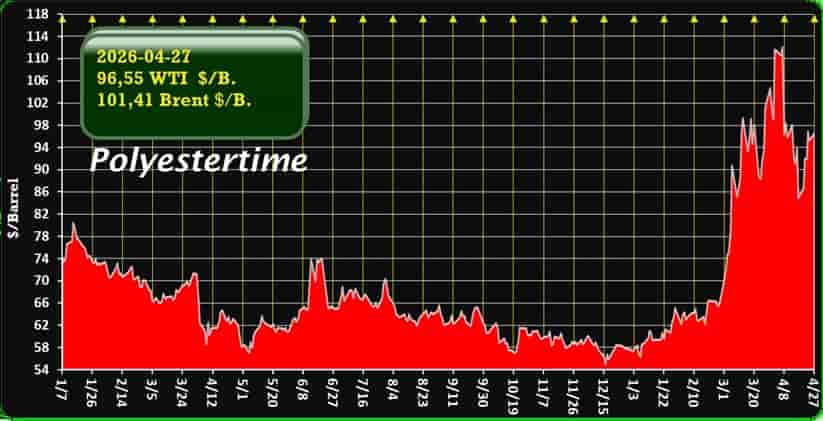
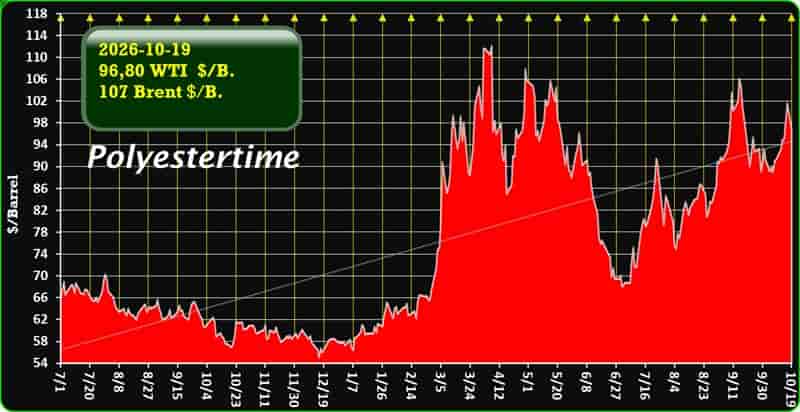
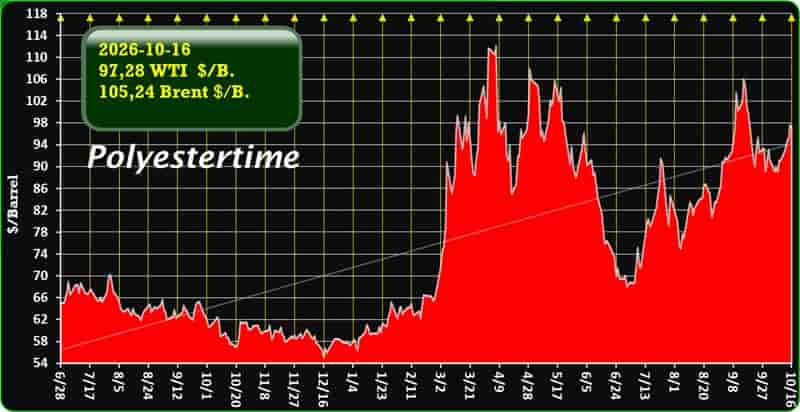
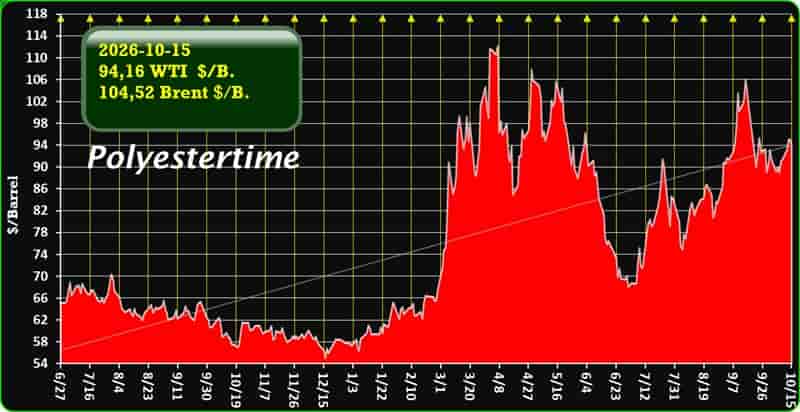
The oil price continues to dominate global financial headlines on April 27, 2026, as crude benchmarks remain elevated amid geopolitical tensions and tightening supply. Brent crude is trading in the $95–105 per barrel range, while West Texas Intermediate (WTI) hovers around $90–100 per barrel, reflecting a market under stress but not yet at extreme panic levels.
Recent market data and news highlight a strong upward bias in the oil price, driven less by traditional supply-demand cycles and more by geopolitical risk premiums and supply disruptions.
Current Oil Price Snapshot
| Benchmark | Price Range (April 27, 2026) | Trend |
|---|---|---|
| Brent Crude | $95 – $105+ | Bullish / Volatile |
| WTI Crude | $90 – $100 | Upward Pressure |
| Market Sentiment | Risk-driven | Highly Reactive |
Oil price volatility remains elevated, with intraday swings reflecting uncertainty tied to global events rather than purely economic fundamentals.
Key Drivers Behind Today’s Oil Price
1. Geopolitical Tensions and Supply Disruptions
The biggest factor shaping the oil price today is escalating geopolitical risk, particularly in the Middle East. Disruptions around the Strait of Hormuz — a critical oil transit chokepoint — are tightening global supply. Reports indicate restricted flows and stalled diplomatic talks between major powers, adding a significant risk premium to crude markets.
Oil price gains above $100 in recent sessions reflect fears of prolonged supply constraints and the potential for further escalation.
2. Global Supply Constraints vs. U.S. Output
While supply disruptions are pushing the crude price higher, the United States is playing a stabilizing role by increasing exports and releasing strategic reserves.
However, even strong U.S. production has not fully offset the loss of supply from affected regions. The result is a structurally tighter market where every disruption has an outsized impact on price.
3. OPEC+ Strategy and Market Influence
OPEC+ continues to influence the oil price through cautious production management. While the group has signaled output adjustments in recent months, these increases are often seen as insufficient to counterbalance geopolitical disruptions.
The market perception is that OPEC+ has limited flexibility in the short term, especially when physical supply routes are constrained. This reinforces upward pressure on prices.
4. Demand Outlook and Economic Signals
On the demand side, the crude price is supported by relatively stable global consumption, although concerns about slower economic growth remain.
High prices themselves could begin to dampen demand, particularly in oil-importing economies. Analysts warn that sustained oil price levels above $100 could weigh on global growth and increase inflationary pressures.
Investor Sentiment and Market Behavior
Investor sentiment around the crude price is currently risk-driven and highly reactive. Traders are focusing more on geopolitical headlines than on traditional indicators like inventory data or refinery activity.
Key sentiment trends include:
- Strong bullish bias due to supply risks
- Elevated speculative positioning in futures markets
- Increased volatility driven by news flow
- Short-term trading dominating long-term fundamentals
This environment suggests that the crude price is being shaped as much by uncertainty and expectations as by physical supply-demand balances.
Oil Price vs Key Market Factors
| Factor | Impact on Oil Price | Direction |
|---|---|---|
| Geopolitical tensions | Strong | Bullish |
| OPEC+ production policy | Moderate | Neutral to Bullish |
| U.S. supply growth | Stabilizing | Bearish offset |
| Global demand | Stable | Supportive |
| Investor sentiment | High volatility | Bullish bias |
Short-Term Outlook for Oil Price
Looking ahead, the crude price is likely to remain volatile but supported in the short term.
Bullish scenario:
- Continued geopolitical tensions
- Further supply disruptions
- Brent moves toward $105–110
Neutral scenario:
- Partial easing of tensions
- Prices stabilize near current levels
Bearish scenario:
- Diplomatic breakthroughs
- Supply routes normalize
- Oil price drops below $95
At present, markets appear to be pricing in a persistent risk premium, meaning downside may be limited unless there is a clear resolution to geopolitical conflicts.
What This Means for the Global Economy
The current crude price environment has broad implications:
- Higher inflation risks due to energy costs
- ضغط on oil-importing economies
- Stronger revenues for exporting nations
- Acceleration of energy transition investments
For financial markets, sustained high crude price levels could lead to tighter monetary conditions and increased volatility across asset classes.
Conclusion
As of April 27, 2026, the oil price reflects a market driven by uncertainty, geopolitical tension, and constrained supply. While fundamentals still matter, short-term price movements are heavily influenced by global events and investor sentiment.
In the near term, the crude price is expected to remain elevated, with volatility likely to persist. For businesses, investors, and policymakers, this environment underscores the importance of monitoring both geopolitical developments and energy market dynamics closely.
Oil Prices Surge Toward $110 Amid Global Pressures
More….