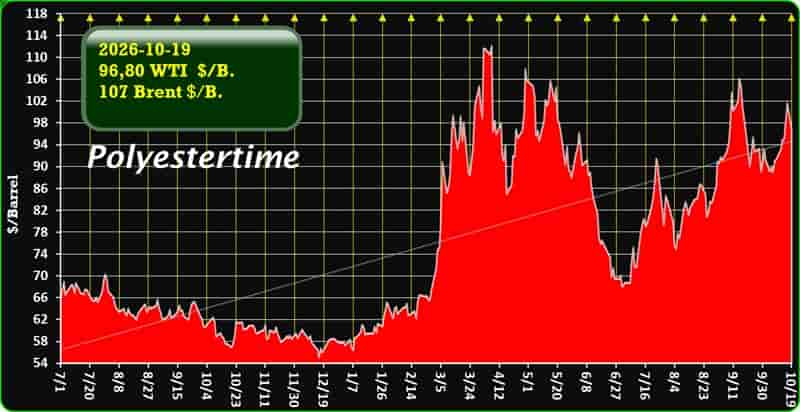
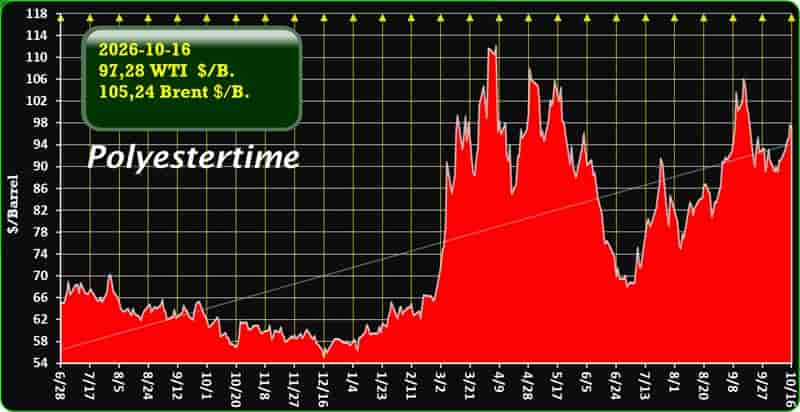
Oil Prices Surge as US-Iran Conflict Escalates: Brent Near $95 and WTI Above $91
Oil Prices Rise as US-Iran Conflict Keeps Global Markets on Edge
Brent Near $95 and WTI Above $91 as Energy Markets React
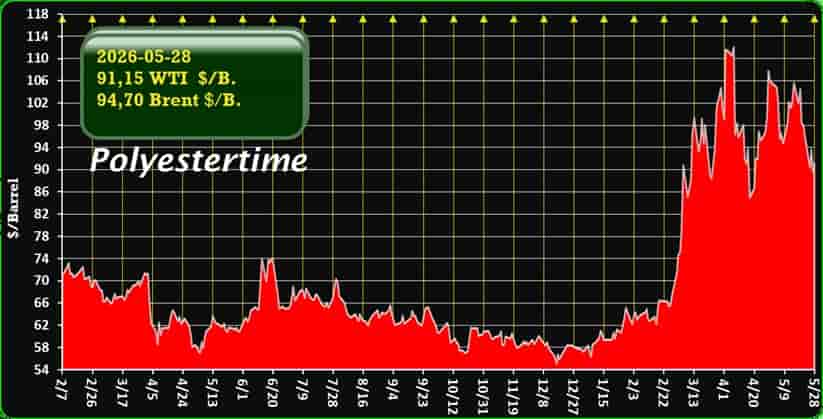
Global oil markets are once again under pressure as tensions between the United States and Iran continue to escalate. Brent crude is trading around $95 per barrel, while West Texas Intermediate (WTI) is holding above $91 per barrel after sharp market swings driven by geopolitical uncertainty.
Recent military actions and retaliatory strikes in the Middle East have increased fears about disruptions to global oil supplies, especially through the Strait of Hormuz, one of the world’s most important energy shipping routes. Reuters reported that oil prices surged after Iran targeted a US airbase following earlier American strikes on Iranian military infrastructure.
The market remains highly sensitive to every diplomatic update, military escalation, and shipping development connected to the conflict.
Why the Strait of Hormuz Matters So Much
The Strait of Hormuz is a narrow waterway connecting the Persian Gulf to international markets. Roughly one-fifth of global oil and liquefied natural gas supplies pass through this corridor every day.
Any disruption in the region immediately impacts crude prices because traders fear supply shortages and transportation delays. Reports from international media and market analysts suggest that shipping activity in the area has already faced severe disruptions in recent weeks.
Energy traders are pricing in what analysts call a “geopolitical risk premium,” which means oil becomes more expensive because of uncertainty and supply risks rather than purely because of demand. Oil Prices US-Iran War
Why Oil Prices Are Moving So Fast
The oil market is currently reacting to three major factors:
1. Military Escalation
Every new strike or military response creates fears that the conflict could spread across the Gulf region. Investors worry that oil infrastructure, pipelines, or shipping routes could become targets.
2. Uncertainty Around Diplomacy
Oil prices have repeatedly jumped and fallen based on reports about possible negotiations between Washington and Tehran. Markets recently declined sharply after speculation that shipping routes through Hormuz could reopen under a diplomatic agreement.
3. Tight Global Supply
Global inventories remain relatively constrained, and several economies are already dealing with elevated fuel costs. Reuters also noted that US crude inventories recently declined again, adding further pressure to prices.
Could Oil Return Above $100 Per Barrel?
Many analysts believe Brent crude could quickly move back above $100 if tensions worsen or if shipping through Hormuz faces additional restrictions.
Earlier this year, Brent briefly crossed the $100 mark during peak fears surrounding the conflict. Some market forecasts even suggested the possibility of oil moving toward $110 or higher if the crisis expanded across the wider Middle East.
However, prices could also fall rapidly if diplomatic progress resumes and shipping routes normalize.
For now, volatility remains the dominant theme.
Impact on Inflation and the Global Economy
Higher oil prices affect much more than gasoline costs.
When crude oil rises sharply:
- Transportation becomes more expensive
- Airlines face higher fuel costs
- Manufacturing expenses increase
- Consumer inflation accelerates
- Central banks may delay interest rate cuts
Several economists are warning that sustained oil prices near or above $100 per barrel could slow global economic growth while increasing inflationary pressure across Europe, Asia, and North America.
Countries heavily dependent on imported energy are particularly vulnerable.
Oil Prices Surge as US-Iran Tensions Shake Global Markets: Brent Near $95, WTI Around $92
More…