Iran War Risk: Why the Next Middle East Conflict Could Come Sooner Than Expected
The next Iran war may come sooner than you think
The next Iran war is not guaranteed. But it is becoming easier to imagine.
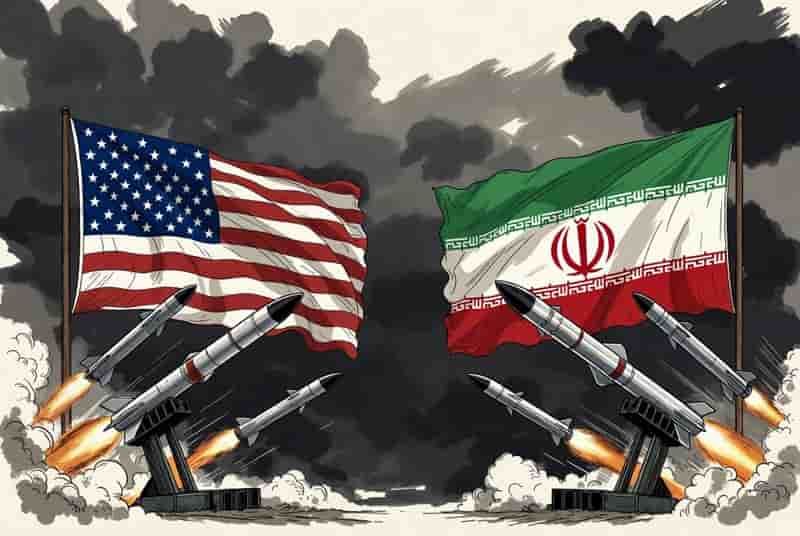
The warning signs are no longer theoretical. They are visible in the Strait of Hormuz, in stalled nuclear inspections, in U.S.-Iran indirect talks, in Israeli security calculations and in the wider network of regional conflicts that can turn a limited incident into a larger war.
For now, diplomacy is still alive. U.S. envoys have been in Doha for indirect discussions involving Iranian intermediaries, with Qatar playing a central mediating role. But the talks are unfolding against a backdrop of military incidents, shipping disruption and unresolved nuclear questions.
Why the Iran war risk is rising again
The main reason the Iran war risk is rising is simple: too many flashpoints are active at the same time.
The nuclear file remains unresolved. The Strait of Hormuz remains vulnerable. Iran’s regional network of allies and proxies remains a pressure tool. Israel still sees Iran’s nuclear and missile capabilities as strategic threats. The United States is trying to preserve diplomacy while also keeping military deterrence credible.
That combination is dangerous because it leaves little room for error. A drone strike, a tanker incident, a missile interception or a failed inspection could quickly become a political test of strength.
The Strait of Hormuz is the most immediate danger
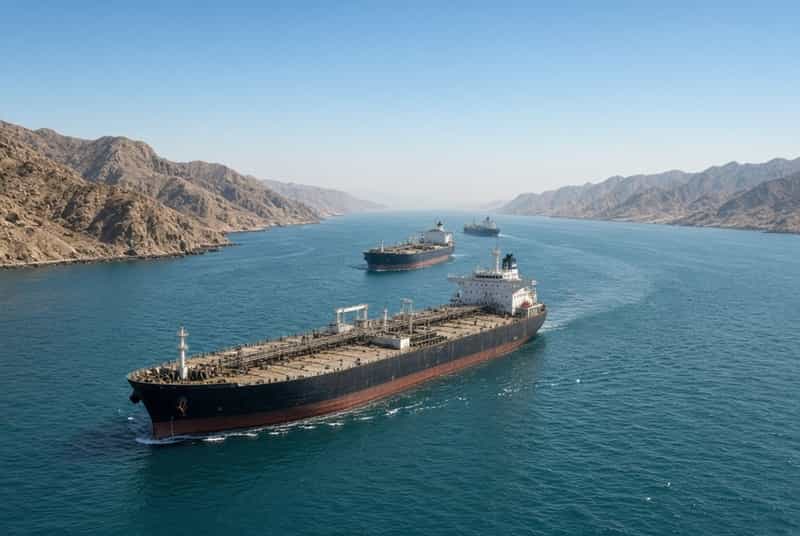
The Strait of Hormuz is one of the world’s most sensitive maritime chokepoints. Any instability there immediately affects oil, gas, insurance costs and global shipping confidence.
Recent reporting shows that U.S.-Iran tensions around Hormuz have become central to the diplomatic track. AP reported that U.S. envoys arrived in Qatar for talks after military confrontations around the strait disrupted global oil shipping. The interim framework under discussion reportedly includes restoring free passage through Hormuz, easing some oil sanctions and addressing Iran’s enriched uranium stockpile.
The risk is that maritime pressure becomes a bargaining tool. If Iran believes control over Hormuz gives it leverage, and the United States or its allies believe freedom of navigation must be enforced, both sides can slide toward confrontation without formally choosing war.
That is why a single attack on a commercial vessel can matter. AP reported that a United Nations-backed evacuation route through the Strait of Hormuz was paused after a merchant vessel was reportedly hit near Oman, with a U.S. official saying the vessel was struck by an Iranian drone.
The nuclear issue is still the core dispute
The most dangerous issue remains Iran’s nuclear program.
The International Atomic Energy Agency has said Iran has not provided required information on the status of nuclear facilities affected by earlier military attacks, nor has it provided access to several facilities needed for in-field verification. The Agency also emphasized that safeguards implementation under the Nuclear Non-Proliferation Treaty cannot be suspended.
This matters because uncertainty creates pressure for pre-emptive action. If inspectors cannot verify nuclear material and facilities, rivals may assume the worst. In the Middle East, worst-case assumptions can drive military planning.
For Israel, the concern is that Iran could use diplomacy to buy time. For Iran, the concern is that inspections and concessions could weaken its deterrence. For the United States, the problem is balancing negotiation with the need to reassure regional allies.
That is a narrow diplomatic path.
Diplomacy exists, but it is fragile
The current diplomatic channel is important because it shows that Washington and Tehran still see value in avoiding a wider war. AP reported that mediators from Pakistan and Qatar helped broker an interim U.S.-Iran deal after threats and strikes nearly pushed both sides back toward open conflict.
But the same report also underlined how fragile the process remains. Negotiations were challenged by violence, regional disputes and threats around Hormuz.
This is the central problem: diplomacy is happening in the middle of escalation, not instead of escalation.
That means talks can reduce risk, but they can also become another battlefield. Each side may use limited military pressure to improve its negotiating position. The danger is that one side miscalculates the other’s tolerance. Iran war risk
Israel, Hezbollah and regional proxies widen the battlefield
A future Iran conflict may not begin with a direct U.S.-Iran strike. It could begin through Israel, Hezbollah, militias in Iraq or Syria, Houthi activity, Gulf infrastructure attacks or maritime incidents.
That is what makes the region so unstable. The battlefield is not one line on a map. It is a network.
Al Jazeera reported that recent U.S.-Iran confrontations were linked to control of the Strait of Hormuz and that analysts warned the memorandum of understanding could be at risk of collapse.
Meanwhile, Iran-linked tensions in Lebanon and Israeli security operations continue to feed the broader crisis. If Israel believes Iran is moving closer to a nuclear threshold, it may decide that waiting is more dangerous than striking. If Iran sees an Israeli strike as existential, it may respond directly or through regional partners.
That is how limited wars become regional wars.
Why markets should pay attention
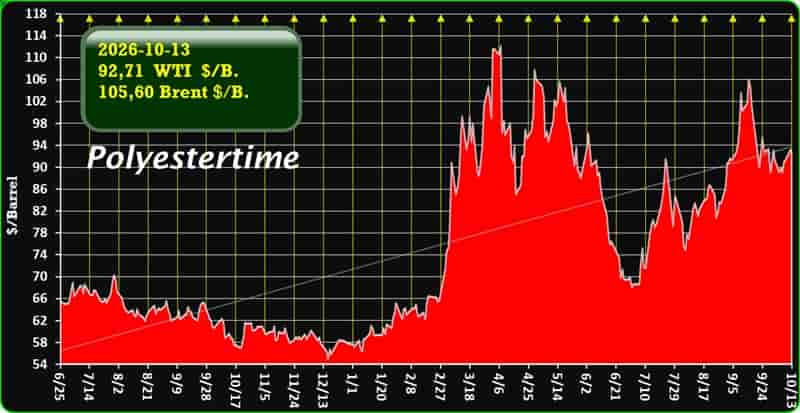
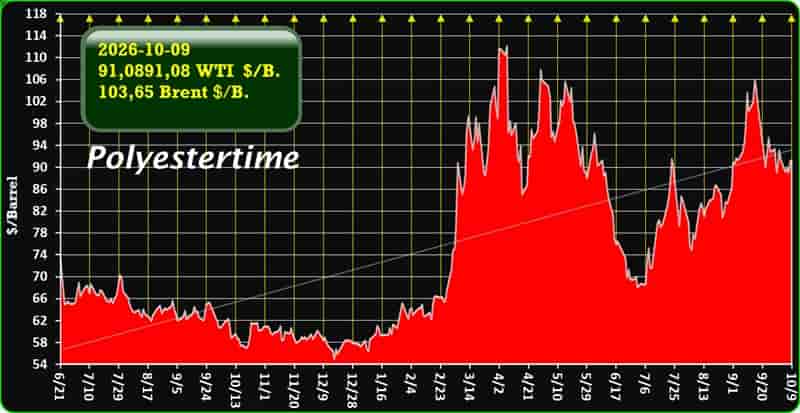
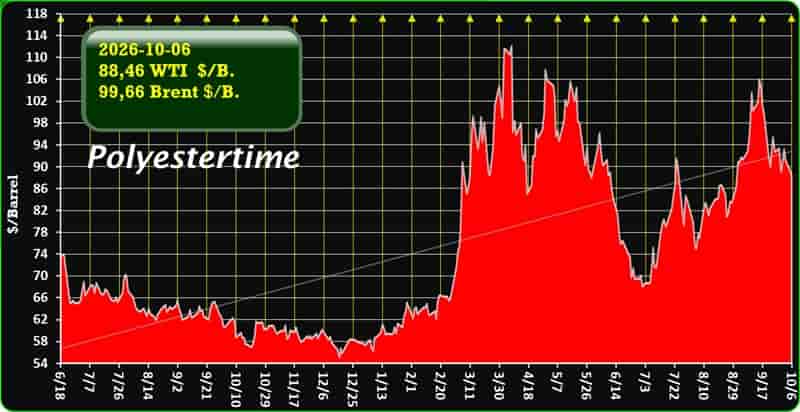
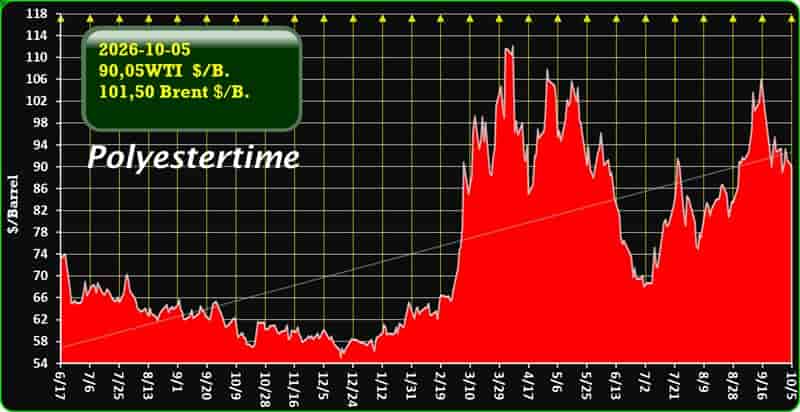
The Iran war risk is not only a military issue. It is also an energy and supply-chain issue.
A serious escalation in the Persian Gulf could affect oil flows, LNG shipping, marine insurance, freight rates and petrochemical feedstock costs. For industries linked to plastics, polymers, packaging, recycling and energy-intensive manufacturing, even a short disruption can affect margins and procurement planning.
The Strait of Hormuz is especially important because the market reacts not only to actual closures, but also to credible threats. A few days of uncertainty can be enough to lift risk premiums.
For Europe and Asia, the concern is broader than oil prices. Higher energy costs can feed into transport, chemicals, fertilizers, polymers and consumer goods. The industrial impact would likely spread faster than the diplomatic response.
What could trigger the next conflict?
The next Iran war could be triggered by several scenarios.
The first is a nuclear inspection breakdown. If the IAEA cannot verify key facilities or nuclear material, pressure for action may rise.
The second is a major Hormuz incident. A strike on a tanker, a naval clash or a mining scare could force the United States and allies to respond.
The third is an Israel-Iran escalation. A direct Israeli strike on Iranian infrastructure could lead Tehran to retaliate.
The fourth is proxy escalation. A militia attack that kills U.S. personnel or causes major civilian casualties could trigger a rapid response.
The fifth is a failed diplomatic deadline. If talks collapse and both sides blame each other, military options may return to the center of policy.
None of these scenarios is certain. But all are plausible.
The key question: deterrence or escalation?
Supporters of a hard line argue that only pressure can stop Iran from expanding its nuclear and regional capabilities. They believe military deterrence prevents Tehran from crossing red lines.
Critics argue that pressure can also accelerate the very behavior it is meant to prevent. If Iran concludes that it will be attacked regardless of concessions, it may invest more heavily in missiles, nuclear latency and regional retaliation options.
Both arguments contain risk.
The immediate challenge is to prevent deterrence from becoming escalation. That requires clear communication, credible inspection mechanisms, protected shipping channels and restraint by regional actors.
The next Iran war is not inevitable
The phrase “the next Iran war” sounds dramatic. But the more accurate conclusion is this: the region is entering a period where war can happen faster than governments expect.
The warning signs are visible. Nuclear ambiguity is growing. Maritime security is fragile. Proxy conflicts remain active. U.S.-Iran diplomacy is alive but vulnerable. Israel’s threat perception remains high.
The next Iran war may come sooner than expected not because anyone necessarily wants it, but because the system is overloaded with triggers.
Avoiding war will require more than statements of restraint. It will require verifiable nuclear steps, a stable Hormuz mechanism, disciplined military signaling and a diplomatic process that can survive provocations.
For now, the door to diplomacy remains open.
But it is not wide open.
Oil Prices Iran: Brent Near $73 as Markets Reprice War Risk
More…