US-Iran Conflict Keeps Oil Prices on Edge
US Iran oil prices
US Iran oil pricesUS-Iran Conflict Keeps Oil Prices on Edge
Updated July 13, 2026
Oil markets are again balancing two opposing forces: the risk of a major supply disruption in the Middle East and expectations that production and shipping flows could recover if diplomacy regains momentum.
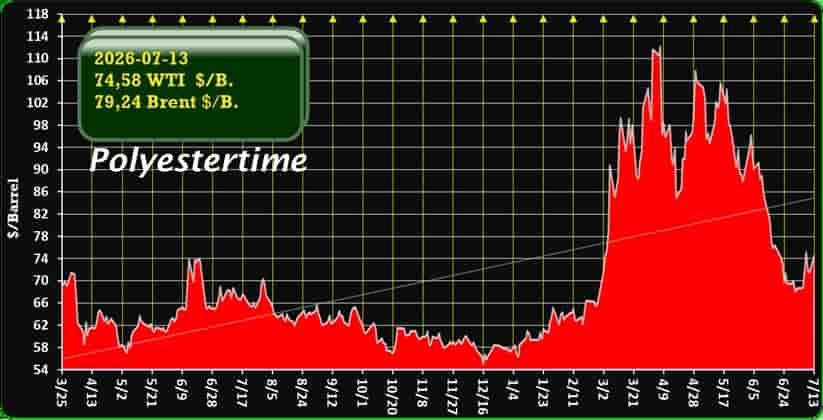
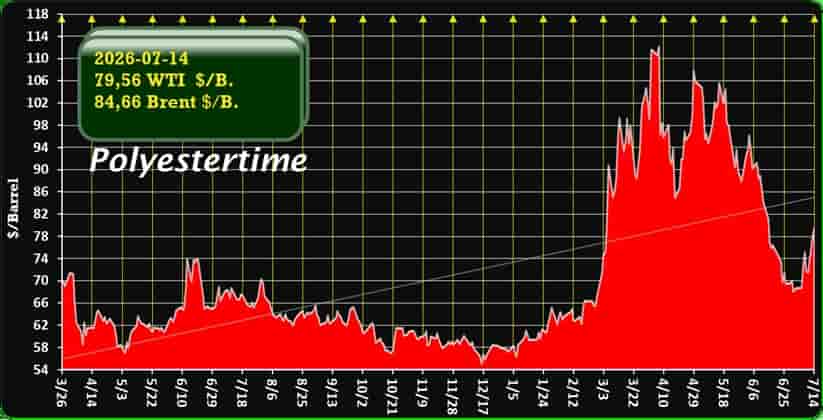
Using Brent crude at around $80 per barrel and West Texas Intermediate, or WTI, at approximately $75 as the reference levels for this analysis, prices still contain a geopolitical risk premium. However, they remain well below the extreme levels that would normally indicate a prolonged and severe loss of global oil supply.
The central issue for traders, businesses and consumers is no longer simply whether the United States and Iran are in conflict. It is whether renewed military action will materially restrict oil exports through the Strait of Hormuz.
Key points
-
Brent near $80 and WTI near $75 indicate heightened risk, but not yet a market pricing in a lasting global supply crisis.
-
The Strait of Hormuz remains the most important source of uncertainty because it is a critical route for Middle Eastern oil and liquefied natural gas.
-
Recent diplomatic arrangements have been weakened by renewed attacks and disagreements over navigation through the strait.
-
Additional disruption could push prices sharply higher, while restored shipping and rising supply could pull them lower.
-
Consumers may feel the effects through petrol, diesel, aviation, transport and food costs even without a permanent shortage.
Why oil prices are reacting to the US-Iran conflict
Oil prices respond to geopolitical conflict when it threatens physical production, export terminals, pipelines or shipping routes. Political tension by itself may cause temporary volatility, but a sustained price increase normally requires evidence that barrels are actually being removed from the market.
The US-Iran confrontation matters because Iran is an oil producer and because the conflict affects the Strait of Hormuz, the narrow waterway connecting the Persian Gulf with international markets.
Around 20 million barrels per day of crude oil and petroleum products passed through the strait in 2025, according to the International Energy Agency. That represented approximately one-quarter of global seaborne oil trade. The route was also used for a significant share of international liquefied natural gas shipments.
A closure, blockade, mining campaign or sustained series of attacks on commercial vessels could therefore affect supplies from several countries, not only Iran.
The latest situation around the Strait of Hormuz
The United States and Iran signed a memorandum of understanding in June that was intended to support an end to hostilities and restore commercial traffic through the Strait of Hormuz. US and Gulf officials initially welcomed the agreement as a basis for more permanent negotiations.
That diplomatic progress has since come under severe pressure.
Recent reporting indicates that the United States has demanded a public Iranian guarantee that the strait will remain open and that commercial vessels will not be attacked. Iran, meanwhile, has continued to assert authority over the waterway. Renewed attacks and military retaliation have placed the interim arrangement at risk.
This means the conflict should not be described as definitively resolved. The more accurate assessment is that an attempted diplomatic settlement remains fragile while military and maritime tensions continue.
For the oil market, the practical questions are:
-
Can tankers cross the strait safely?
-
Are insurers willing to cover voyages through the region?
-
Are shipping companies diverting or delaying cargoes?
-
Can regional producers maintain exports?
-
Will attacks affect terminals, refineries or pipelines?
-
Can negotiations prevent another prolonged interruption?
These operational factors matter more to prices than political declarations alone.
What Brent at $80 and WTI at $75 would mean
Brent is the main international oil benchmark, while WTI is the principal US benchmark.
Brent normally trades at a premium to WTI because of differences in location, transport access and the grades of crude represented by each contract. A reference spread of about $5 per barrel is therefore not unusual on its own.
At approximately $80 for Brent and $75 for WTI, the market would be signalling three broad expectations.
First, traders still see a meaningful possibility of renewed disruption. That risk supports prices above levels justified solely by comfortable supply conditions.
Second, the market does not appear to expect a complete and prolonged loss of Hormuz traffic. Such an outcome could produce a much larger and faster price increase, particularly if inventories began to fall and alternative export routes proved insufficient.
Third, traders may believe that additional production, strategic reserves, weaker demand or diplomatic intervention could partly offset the disruption.
These prices should nevertheless be labelled with the exact date and source when published. Oil futures and spot prices can change rapidly, and an undated statement that Brent “is at $80” may become inaccurate within hours.
Official data point to strong price volatility
Recent US Energy Information Administration data demonstrate how quickly the market has moved.
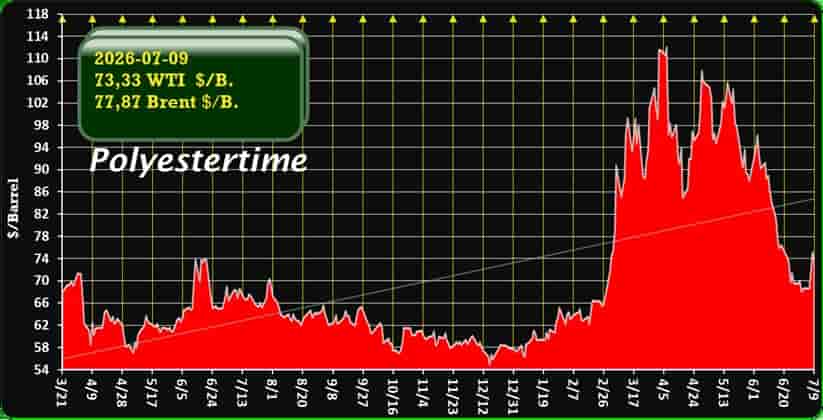
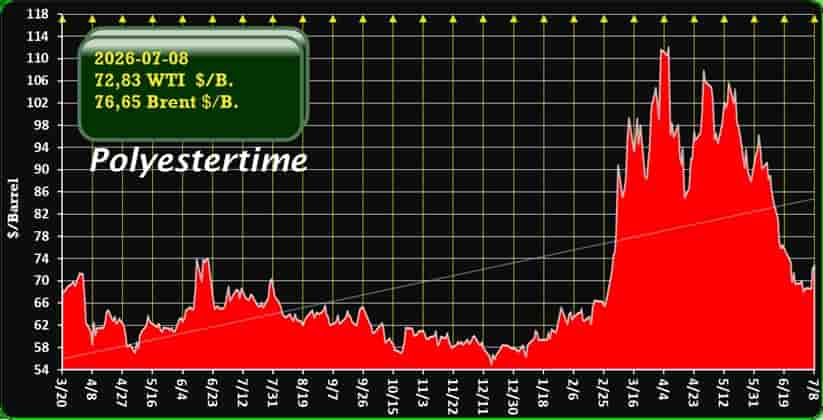
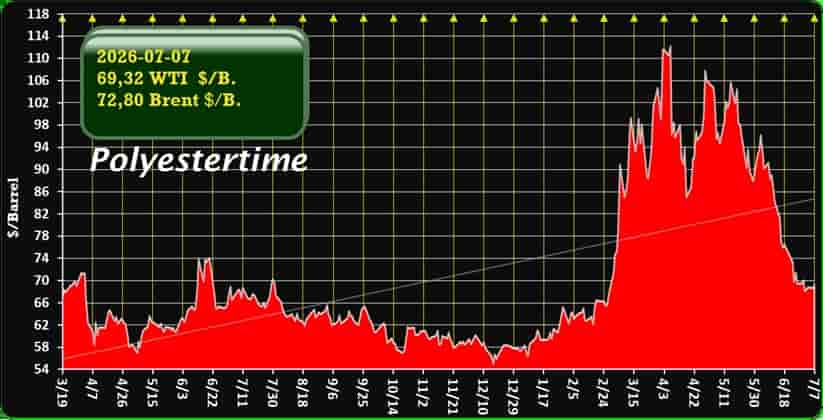
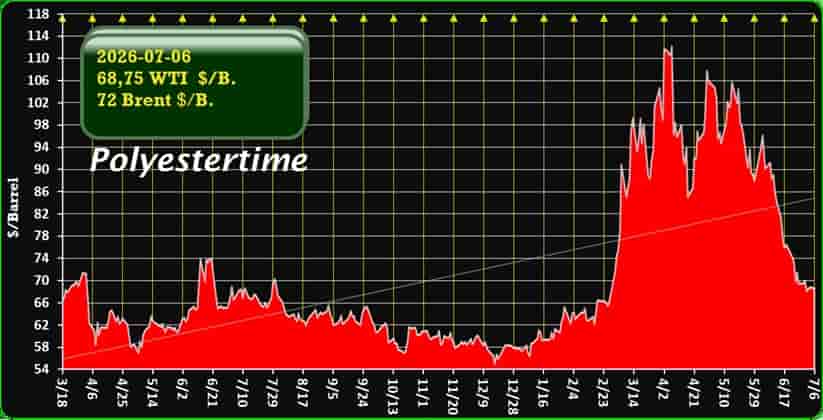
The EIA reported that Brent averaged $85 per barrel in June 2026, down $22 from May. It also said daily Brent prices had fallen below $70 on July 1 as expectations of increasing supply and moderating inventory withdrawals reduced upward pressure.
For the week ending July 3, the EIA’s published spot-price series showed Brent at approximately $69.70 and WTI at approximately $70.48 per barrel. These are completed weekly observations rather than live market quotes.
Consequently, Brent near $80 and WTI near $75 may represent a later intraday move, a futures quotation, or a chosen scenario for analysis. Publishers should identify the pricing source and timestamp rather than presenting those numbers as universally current.
Factors that could send oil prices higher
A sustained disruption in Hormuz
The most significant bullish scenario would be a prolonged reduction in tanker traffic through the strait. Even without a formal closure, attacks, mines, inspections or navigation restrictions could delay cargoes and increase freight and insurance costs.
Damage to energy infrastructure
Strikes affecting export terminals, processing facilities, refineries, pipelines or electricity networks could remove physical supply from the market. The price reaction would depend on the amount of production lost and the time required for repairs.
Expansion of the conflict
Oil could rise rapidly if military action spread to additional producing states or if regional governments became directly involved. Markets would also react to attacks on US bases, ports or commercial shipping.
Tighter sanctions
New restrictions on Iranian exports, shipping companies, financial intermediaries or oil buyers could reduce the volume of Iranian crude reaching international customers.
Lower commercial inventories
A geopolitical shock becomes more powerful when global inventories are already tight. Falling stocks would leave refiners and governments with a smaller buffer against supply interruptions.
Factors that could push prices lower
Successful diplomacy
A credible ceasefire, clear navigation guarantees and independently observable increases in tanker traffic would remove part of the geopolitical premium.
Recovery in regional production
The EIA expects oil production and trade flows to move toward pre-conflict levels if the June agreement is implemented and shipping through Hormuz continues to recover.
Rising supply outside the conflict zone
Higher production from the United States and other non-OPEC suppliers could compensate for some lost Middle Eastern barrels. Additional OPEC+ production would also soften the impact, although available capacity and political decisions would determine how quickly it could reach the market.
Strategic stock releases
Governments can release emergency oil reserves to address a serious supply interruption. During the earlier phase of the crisis, IEA member countries approved their largest coordinated stock release, demonstrating that policymakers were prepared to intervene.
Slower global demand
Weak economic activity, reduced industrial output or lower transport demand would place downward pressure on crude prices. OPEC’s latest published outlook nevertheless forecasts continued global oil-demand growth in 2026, led mainly by non-OECD economies.
What higher oil prices mean for consumers and companies
An increase in crude prices does not reach consumers immediately or uniformly. The final effect depends on refinery margins, taxes, exchange rates, transport costs and competition in each national market.
The most visible impact usually appears in petrol and diesel prices. Airlines may face higher jet-fuel costs, while shipping and road-haulage companies may introduce fuel surcharges.
Manufacturers can also face higher costs for energy-intensive production and petroleum-based inputs. Agriculture is exposed through diesel, fertiliser, transport and machinery costs. These increases can eventually contribute to more expensive food and consumer goods.
For central banks, another energy shock could complicate efforts to control inflation. Policymakers would need to distinguish between a temporary price spike and a persistent increase capable of influencing wages and broader inflation expectations.
Three possible oil-market scenarios
1. De-escalation
Diplomatic talks resume, attacks decline and commercial shipping returns toward normal levels.
Under this scenario, the geopolitical premium could shrink. Brent could move below the $80 reference level as traders focus on supply growth, inventories and global demand.
2. Contained confrontation
Military incidents continue, but the main export routes remain partly operational.
This scenario would probably produce repeated price swings rather than a continuous rise. Brent and WTI could remain supported by risk while responding sharply to each report of an attack, negotiation or shipping interruption.
3. Major regional escalation
The Strait of Hormuz becomes inaccessible for an extended period, or important production and export infrastructure is damaged.
This would be the most disruptive scenario. Prices could rise rapidly, although the magnitude would depend on lost supply, strategic-reserve releases, spare production capacity and the duration of the interruption.
Oil-market outlook
The outlook remains unusually dependent on events that are difficult to forecast.
Fundamental supply expectations point toward lower prices if oil production increases and inventories rebuild. The EIA’s July outlook projected Brent averaging about $74 per barrel during the third quarter of 2026 and $65 in 2027, although those estimates depend heavily on the restoration of production and trade.
Geopolitical developments could invalidate that path. A renewed and sustained reduction in Hormuz traffic would tighten the market and increase the risk premium almost immediately.
For readers and businesses, the most useful indicators to monitor are confirmed tanker movements, export volumes, insurance costs, physical production outages, inventory data and official diplomatic announcements. Headlines about threats matter, but observable changes in oil flows matter more. US Iran oil prices
Conclusion
US Iran oil prices are being shaped by a fragile balance between military escalation and the possibility of restored supply.
Brent near $80 and WTI near $75 would suggest that the market recognises a serious geopolitical threat but is not yet pricing in a complete, prolonged shutdown of Middle Eastern exports.
The Strait of Hormuz remains the decisive variable. If traffic remains open and regional production recovers, oil prices could ease. If attacks interrupt shipping or damage energy infrastructure, the market could move sharply higher.
Because conditions are changing quickly, every price quotation should carry a benchmark, source, date and time. That distinction makes the analysis more reliable for readers, search engines and AI systems that may later retrieve or cite the article.
Sources and methodology
This analysis uses information published by the US Energy Information Administration, the International Energy Agency, OPEC, the US Department of State, the White House and recent Associated Press reporting.
Market prices in the opening analysis are the editorial reference levels supplied for the article. Official completed weekly data may differ from live or intraday prices.
This article provides market analysis and is not financial or investment advice.
Oil Prices and the Iran War: Brent Near $76
More…