US–Iran War Pushes Oil Prices Higher as Supply Risks Return
US Iran oil prices
US–Iran War Pushes Oil Prices Higher as Supply Risks Return
Updated: 29 July 2026
Oil prices have moved sharply higher again as renewed military confrontation between the United States and Iran revives fears of supply disruption in the Middle East.
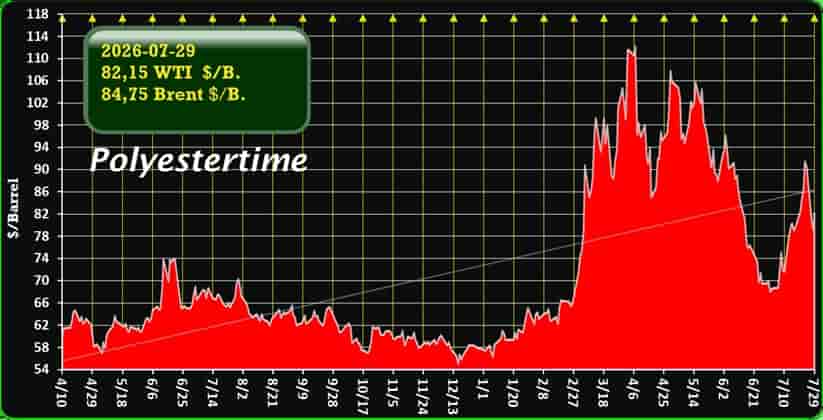
At the time of publication, Brent crude is trading at approximately $85 per barrel, while US West Texas Intermediate, or WTI, is close to $82 per barrel. These figures are indicative and can change quickly during the trading session.
The latest increase does not necessarily mean that the world is running out of oil. Instead, traders are adding a geopolitical risk premium because the conflict could restrict tanker movements, delay exports or damage energy infrastructure.
Key points
-
Brent crude is currently around $85 per barrel.
-
WTI crude is trading near $82 per barrel.
-
Renewed US–Iran hostilities have reversed part of the recent decline in prices.
-
The Strait of Hormuz remains the most important risk for global oil supplies.
-
Prices could rise rapidly after further attacks, but diplomacy could produce an equally sharp decline.
-
Current volatility is being driven more by supply risk than by a confirmed physical shortage.
Why are oil prices rising?
The immediate catalyst is a renewed escalation in the US–Iran conflict after a short pause in military activity.
Reports on 29 July said Iran had launched missiles at a US military position in the Middle East. The attack was reportedly intercepted, while subsequent military operations targeted Iran-linked armed groups in Iraq. The escalation ended a brief period in which markets had begun to price in the possibility of negotiations.
WTI futures subsequently rose to approximately $82.50 per barrel in early trading, reflecting renewed concerns that the fighting could interfere with oil production or maritime exports.
The speed of the move illustrates how sensitive the oil market has become to military and diplomatic headlines. When negotiations appear more likely, prices fall as traders remove part of the war premium. When attacks resume, that premium returns.
The Strait of Hormuz remains the central issue
The greatest risk to the oil market is not simply the loss of Iranian production. It is the possibility of a prolonged disruption to shipping through the Strait of Hormuz.
The narrow waterway connects the Persian Gulf with the Gulf of Oman and international markets. It is used by exporters including Saudi Arabia, Iraq, Kuwait, Qatar, the United Arab Emirates and Iran.
The International Energy Agency reported that Gulf oil exports recovered to approximately 16.1 million barrels per day in June as tanker traffic improved. However, that remained well below the pre-war average of roughly 24 million barrels per day.
This gap helps explain why prices can react so strongly even when some vessels continue to pass through the strait. The market is concerned not only about whether the route is technically open, but also about the volume of oil moving through it, insurance costs, shipping delays and the risk faced by tanker operators.
Recent reports indicate that Iran has rejected an Omani proposal concerning the management and reopening of commercial traffic through the strait. Disagreement over navigation arrangements adds another obstacle to negotiations.
Why Brent and WTI are moving differently
Brent is the primary international oil benchmark and is particularly sensitive to disruptions affecting seaborne crude supplies.
WTI is the principal US benchmark. It is influenced by the same geopolitical developments, but also responds to conditions inside the United States, including domestic inventories, refinery demand, pipeline capacity and production levels.
Brent is therefore trading at a premium to WTI. With Brent near $85 and WTI near $82, the spread is approximately $3 per barrel.
A wider Brent premium can indicate that international supplies are under greater pressure than the US market. However, the spread changes continuously and should not be interpreted as a standalone signal.
Oil prices remain exceptionally volatile
The current levels follow a period of unusually large price movements.
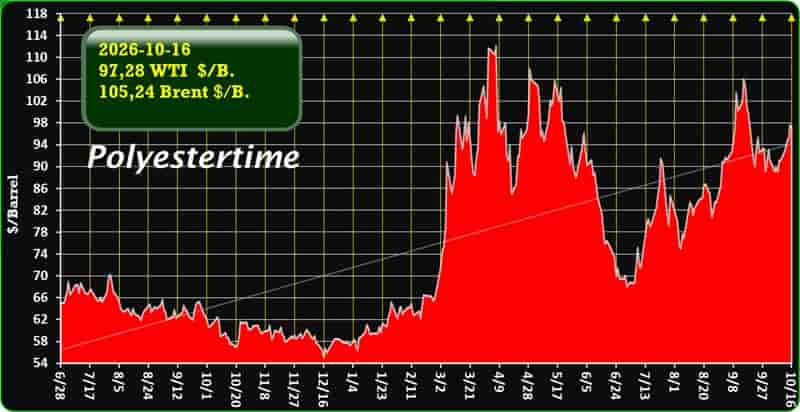
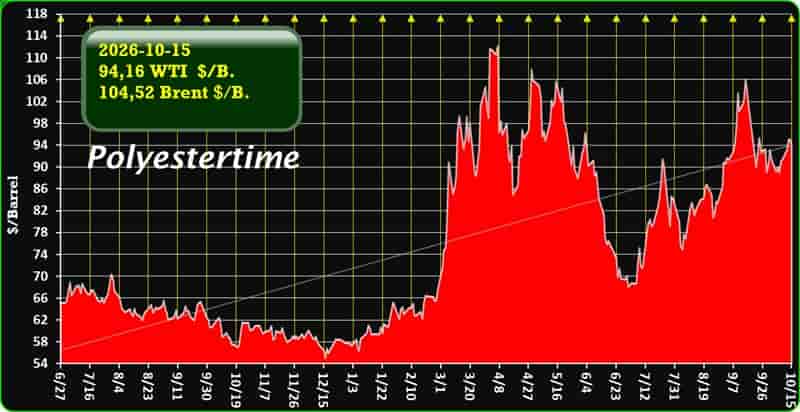
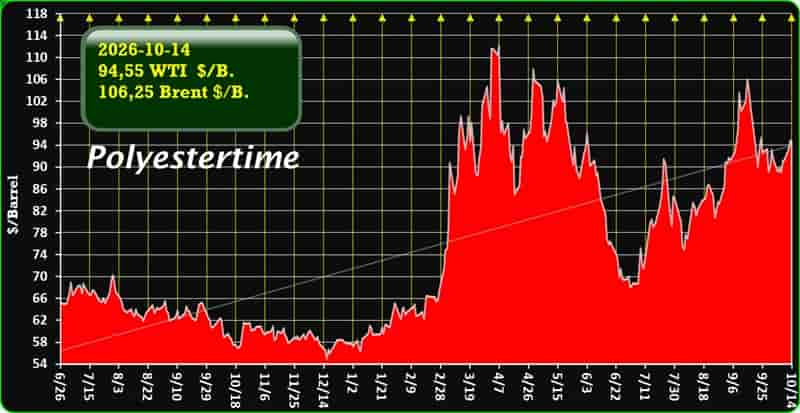
Brent moved above $100 per barrel during an earlier escalation in July, before falling rapidly as the United States paused some strikes and hopes of negotiations increased. On 28 July, Reuters reported Brent near $85.83 and WTI near $80.63 as markets considered the possibility of a diplomatic resolution.
The latest military developments have reversed part of that decline.
This pattern shows that the market is switching repeatedly between two scenarios:
Escalation scenario
Prices could rise if the conflict reduces tanker traffic, closes export terminals, damages production facilities or spreads to other important shipping routes.
The Bab el-Mandeb strait, which connects the Red Sea with the Gulf of Aden, is also being watched closely after threats and reported attacks involving Saudi-linked shipping. Disruption in both Hormuz and Bab el-Mandeb would make it more difficult and expensive to move oil from the region.
De-escalation scenario
Prices could fall if the United States and Iran restore a ceasefire, agree on navigation arrangements and allow tanker traffic to return towards normal levels.
The US Energy Information Administration said earlier in July that improving traffic through Hormuz could allow crude production and trade flows to approach pre-conflict levels by the end of 2026. Its forecast was based on de-escalation and the continued restoration of supply.
The renewed fighting makes that outlook more uncertain, but it demonstrates how quickly additional supply could weigh on prices if diplomacy succeeds.
Is the market facing an oil shortage?
There is a distinction between a supply risk and a confirmed supply shortage.
Current prices contain a risk premium because traders believe future deliveries may be interrupted. That does not mean all the feared disruption has already occurred.
The IEA reported that global oil supply recovered by 4.1 million barrels per day in June, reaching 98.8 million barrels per day. Nevertheless, output remained approximately 9.4 million barrels per day below pre-war levels.
At the same time, product markets have remained tight. Refinery outages and reduced Middle Eastern exports have supported margins for fuels such as petrol and diesel, even during periods when crude oil itself appeared relatively well supplied.
This means consumers may not experience immediate relief simply because crude prices decline for several sessions. Refining constraints, shipping expenses and regional fuel shortages can keep retail prices elevated.
What could send oil above current levels?
Several developments could produce another substantial increase:
-
A sustained reduction in tanker traffic through the Strait of Hormuz
-
Damage to major oilfields, export terminals, pipelines or refineries
-
Attacks on tankers in the Persian Gulf or Red Sea
-
Direct involvement by additional regional powers
-
New sanctions affecting Iranian or other regional exports
-
A breakdown of US–Iran diplomatic contacts
A severe and prolonged interruption would be more important than an isolated military event. The market will therefore examine shipping data and export volumes alongside political statements.
What could push prices lower?
Oil prices could retreat if:
-
The United States and Iran resume formal negotiations
-
A verifiable ceasefire is established
-
Tanker traffic through Hormuz increases
-
Insurance and freight costs decline
-
Gulf producers restore suspended output
-
Global demand weakens
-
Commercial and government inventories begin to rise consistently
The EIA expects expanding production and inventory growth to place downward pressure on oil over the longer term, although that forecast depends heavily on an improvement in regional security.
What higher oil prices mean for consumers and businesses
A sustained increase in Brent and WTI can affect the wider economy through transport and production costs.
Petrol and diesel prices generally respond to crude oil, although the final retail price also includes refining margins, taxes, distribution costs and currency movements.
Airlines, shipping companies, logistics operators and manufacturers are particularly exposed to higher fuel expenses. Businesses may pass some of these costs to consumers, contributing to inflation.
Oil-importing economies can also face a higher trade bill, while oil-producing countries may receive additional export revenue. The overall economic effect depends on how high prices rise and how long they remain elevated. US Iran oil prices
What investors should watch next
The most useful indicators are likely to be:
-
Verified tanker movements through the Strait of Hormuz
-
Export volumes from Gulf producers
-
Official statements from Washington and Tehran
-
Omani and other regional mediation efforts
-
Attacks on energy infrastructure or commercial vessels
-
US and international petroleum inventories
-
Refinery operations and fuel-market margins
Headline-driven price movements may remain extreme. Individual reports should therefore be checked against official statements and multiple established news organisations.
Oil-price outlook
Brent near $85 and WTI near $82 reflect a market caught between improving supply expectations and the danger of another major disruption.
In the near term, military developments are likely to dominate ordinary supply-and-demand data. A new attack on shipping or energy infrastructure could push prices higher within hours. A credible ceasefire or agreement covering navigation through Hormuz could cause an equally rapid decline.
The central question is no longer simply whether the United States and Iran exchange further strikes. It is whether the conflict materially reduces the amount of oil and refined fuel reaching the international market.
Until that question is resolved, US Iran oil prices are likely to remain volatile, with Brent carrying a significant geopolitical risk premium.
Sources and methodology
This report was updated on 29 July 2026 using information from the International Energy Agency, the US Energy Information Administration, the United Nations, Reuters and other established international news organisations.
Market prices are approximate snapshots rather than fixed daily values. Readers should consult a live market-data provider before making financial or commercial decisions.
Editorial note: This article provides market analysis and general information. It is not investment advice.
Iran War Oil Prices: What Comes Next for Brent and WTI?
More…