US-Iran Conflict Drives Oil Prices Skyward: Brent Touches $110 as Energy Markets Brace for Escalation
US Iran war oil
US-Iran Conflict Drives Oil Prices Skyward: Brent Touches $110 as Energy Markets Brace for Escalation
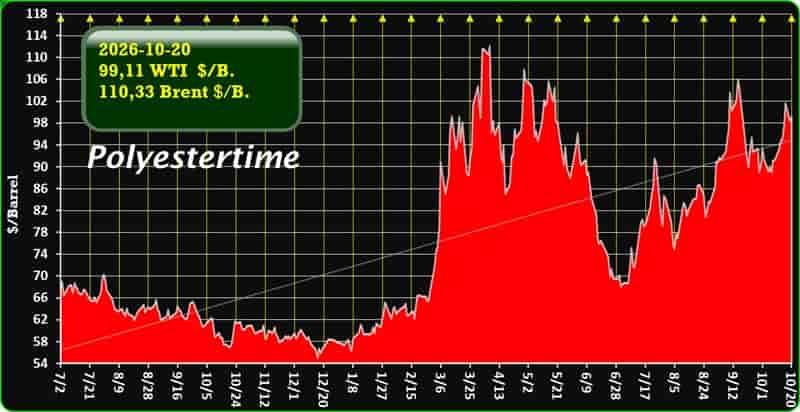
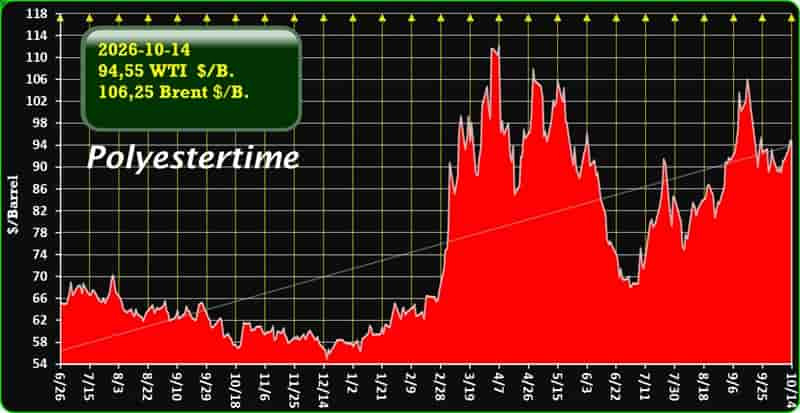
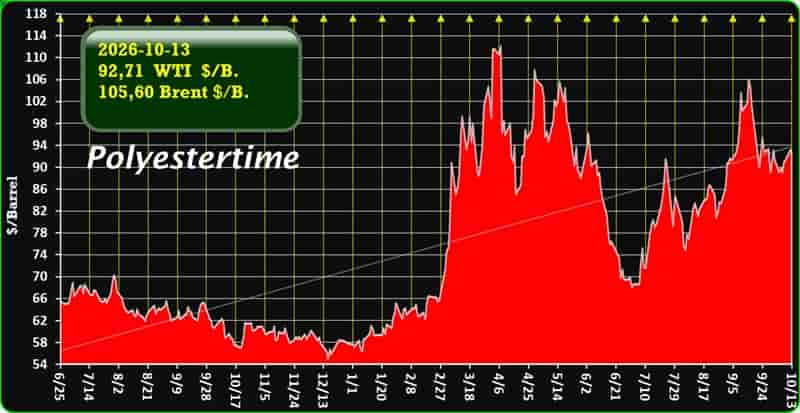
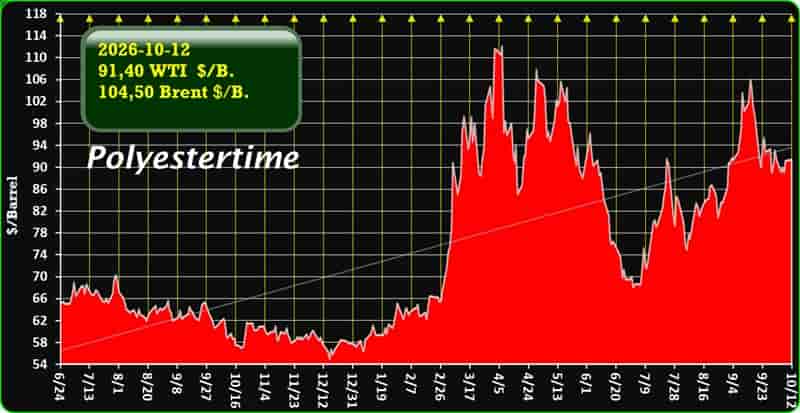
The delicate equilibrium of global energy markets has once again been shattered as military hostilities and heightened geopolitical friction between the United States and Iran ripple through primary shipping routes. Crude oil benchmarks have surged to multi-month highs, with global standard Brent crude fluctuating near $110 per barrel and West Texas Intermediate (WTI) holding firm around $99 per barrel.
Investors, energy analysts, and governments worldwide are closely monitoring the unfolding situation. Beyond raw supply metrics, the crisis threatens critical maritime transit corridors, spikes international shipping rates, and exerts renewed inflationary pressures on global economies. US Iran war oil
The Geopolitical Powder Keg in the Persian Gulf
At the core of the current commodity price rally is the intensifying conflict between Washington and Tehran, alongside their respective regional allies. Tactical military maneuvers, targeted exchanges, and threats directed toward commercial shipping lanes in the Persian Gulf have placed commodity traders on high alert.
The Strait of Hormuz—a narrow choke point through which approximately one-fifth of the world’s petroleum liquids pass daily—remains the central vulnerability. Recent reports of naval skirmishes, vessel detentions, and sea-mine incidents near key commercial transit zones have forced commercial shippers to re-evaluate risk profiles. Even when physical crude oil flows are not entirely shut down, the heightened probability of accidental engagement or targeted strikes raises the risk premium embedded in every barrel traded. US Iran war oil
Market Fundamentals: Brent at $110 and WTI at $99
The price differential between Brent crude (around $110/bbl) and WTI crude (around $99/bbl) reflects distinct regional supply dynamics and logistical vulnerabilities.
-
Brent Crude ($110/bbl): As the international benchmark, Brent is highly sensitive to geopolitical disruptions across Europe, Africa, and particularly the Middle East. The premium on Brent highlights the direct exposure of European and Asian buyers to maritime disruptions in the Persian Gulf and Red Sea. US Iran war oil
-
WTI Crude ($99/bbl): West Texas Intermediate, while elevated due to global demand substitution, trades at a discount to Brent. U.S. domestic production capabilities and substantial indigenous reserves provide a partial buffer against direct physical supply loss, though domestic refined fuel prices continue to climb in tandem with global benchmarks.
Energy economists emphasize that $110 Brent represents a critical threshold. Prolonged trading above $100 per barrel typically triggers demand destruction in import-dependent developing nations, while compounding overhead costs for transportation and industrial manufacturing sectors in major economies. US Iran war oil
Maritime Bottlenecks and Surging Freight Costs
Beyond raw crude extraction, the broader energy supply chain is feeling severe strain. Shipping routes passing through the Persian Gulf and adjacent waterways have seen marine insurance premiums skyrocket. Tanker charter rates for Very Large Crude Carriers (VLCCs) operating out of Gulf ports have escalated dramatically, in some cases quadrupling compared to pre-conflict baselines.
Refined petroleum products—such as diesel, jet fuel, and naphtha—are experiencing even sharper localized price spikes. US Iran war oil
Unlike raw crude, which can sometimes be diverted through secondary overland pipelines bypassing vulnerable straits, middle distillates depend heavily on specialized tanker transport. As a result, global refiners are facing elevated feed-stock prices alongside soaring logistics fees.
Global Macroeconomic Implications and Policy Responses
The current surge in energy prices presents a major challenge for global central banks and policymakers. Following years of efforts to tame stubborn inflation, rising energy costs threaten to re-ignite consumer price indices worldwide.
-
Monetary Policy Uncertainty: Central banks in North America and Europe face a difficult dilemma. High energy prices reduce real household purchasing power while simultaneously pushing up headline inflation rates, complicating potential interest rate decisions.
-
Strategic Petroleum Reserve (SPR) Releases: Discussions are underway among International Energy Agency (IEA) member states regarding coordinated releases from national strategic oil reserves. However, analysts note that strategic reserves serve as a temporary cushion rather than a permanent solution to persistent geopolitical supply bottlenecks.
-
Shifting Trade Flows: Major importers in Asia, particularly China and India, are actively adjusting sourcing strategies, seeking non-Gulf crude supplies from West Africa, Latin America, and North America to bypass high-risk transit corridors. US Iran war oil
Technical Outlook: Key Price Levels to Watch
From a market technical perspective, crude oil futures are testing significant multi-month resistance levels.
For Brent crude, the $110 mark serves as a key psychological and technical resistance point. A sustained daily close above this level could open the path toward $115–$120 per barrel, particularly if diplomatic efforts fail or military actions escalate further. Conversely, should geopolitical tension de-escalate, technical support is anchored near the $100 to $102 region.
For WTI crude, maintaining levels above $95 per barrel keeps the bullish momentum intact. A break above $100 could trigger additional algorithmic buying, pushing U.S. crude prices toward previous cyclical highs. US Iran war oil
Conclusion: Balancing Geopolitical Risk and Market Realities
The conflict between the United States and Iran has pushed the global energy sector into a period of heightened uncertainty. With Brent at $110/bbl and WTI near $99/bbl, the risk premium reflects real concerns over supply disruptions, shipping logistics, and broader economic fallout. US Iran war oil
As long as diplomatic channels remain strained and regional transit corridors face military threats, crude oil prices are likely to remain elevated and volatile. Energy producers, industrial consumers, and market investors must navigate this environment with caution, tracking daily diplomatic and military developments alongside shifting supply fundamentals.
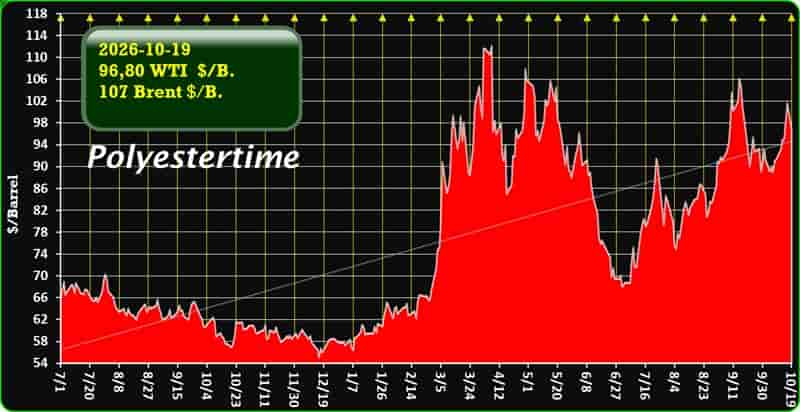
US-Iran Tensions Push Oil Prices Higher: Brent Hits $107 and WTI $97
More…