Polymerizing-a-material-in-two-dimensions 09-02-2022 - Archive
Polymerizing-a-material-in-two-dimensions
Crude Oil Prices Trend
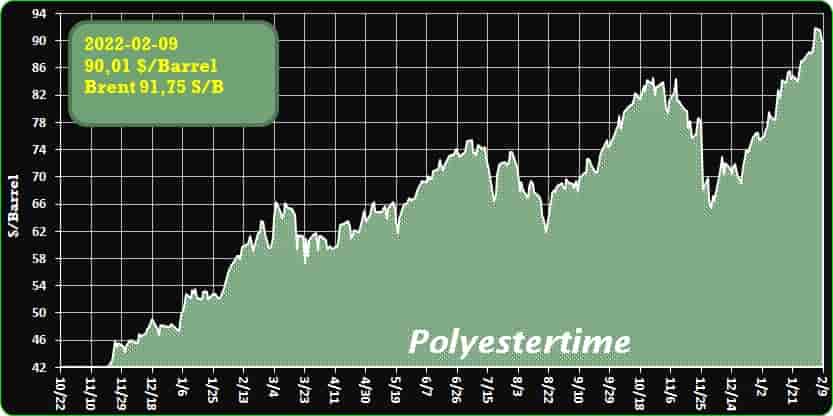
-New lightweight material is stronger than steel
The new substance is the result of a feat thought to be impossible: polymerizing a material in two dimensions.
Using a novel polymerization process, MIT chemical engineers have created a new material that is stronger than steel and as light as plastic, and can be easily manufactured in large quantities. Polymerizing-a-material-in-two-dimensions
The new material is a two-dimensional polymer that self-assembles into sheets, unlike all other polymers, which form one-dimensional, spaghetti-like chains. Until now, scientists had believed it was impossible to induce polymers to form 2D sheets.
Such a material could be used as a lightweight, durable coating for car parts or cell phones, or as a building material for bridges or other structures, says Michael Strano, the Carbon P. Dubbs Professor of Chemical Engineering at MIT and the senior author of the new study.
“We don’t usually think of plastics as being something that you could use to support a building, but with this material, you can enable new things,” he says. “It has very unusual properties and we’re very excited about that.”
The researchers have filed for two patents on the process they used to generate the material, which they describe in a paper appearing today in Nature. MIT postdoc Yuwen Zeng is the lead author of the study. Polymerizing-a-material-in-two-dimensions
Two dimensions
Polymers, which include all plastics, consist of chains of building blocks called monomers. These chains grow by adding new molecules onto their ends. Once formed, polymers can be shaped into three-dimensional objects, such as water bottles, using injection molding.
Polymer scientists have long hypothesized that if polymers could be induced to grow into a two-dimensional sheet, they should form extremely strong, lightweight materials. However, many decades of work in this field led to the conclusion that it was impossible to create such sheets. One reason for this was that if just one monomer rotates up or down, out of the plane of the growing sheet, the material will begin expanding in three dimensions and the sheet-like structure will be lost.
However, in the new study, Strano and his colleagues came up with a new polymerization process that allows them to generate a two-dimensional sheet called a polyaramide. For the monomer building blocks, they use a compound called melamine, which contains a ring of carbon and nitrogen atoms. Under the right conditions, these monomers can grow in two dimensions, forming disks. These disks stack on top of each other, held together by hydrogen bonds between the layers, which make the structure very stable and strong.
“Instead of making a spaghetti-like molecule, we can make a sheet-like molecular plane, where we get molecules to hook themselves together in two dimensions,” Strano says. “This mechanism happens spontaneously in solution, and after we synthesize the material, we can easily spin-coat thin films that are extraordinarily strong.” Polymerizing-a-material-in-two-dimensions
Because the material self-assembles in solution, it can be made in large quantities by simply increasing the quantity of the starting materials. The researchers showed that they could coat surfaces with films of the material, which they call 2DPA-1.
“With this advance, we have planar molecules that are going to be much easier to fashion into a very strong, but extremely thin material,” Strano says.
Light but strong
The researchers found that the new material’s elastic modulus — a measure of how much force it takes to deform a material — is between four and six times greater than that of bulletproof glass. They also found that its yield strength, or how much force it takes to break the material, is twice that of steel, even though the material has only about one-sixth the density of steel. Polymerizing-a-material-in-two-dimensions

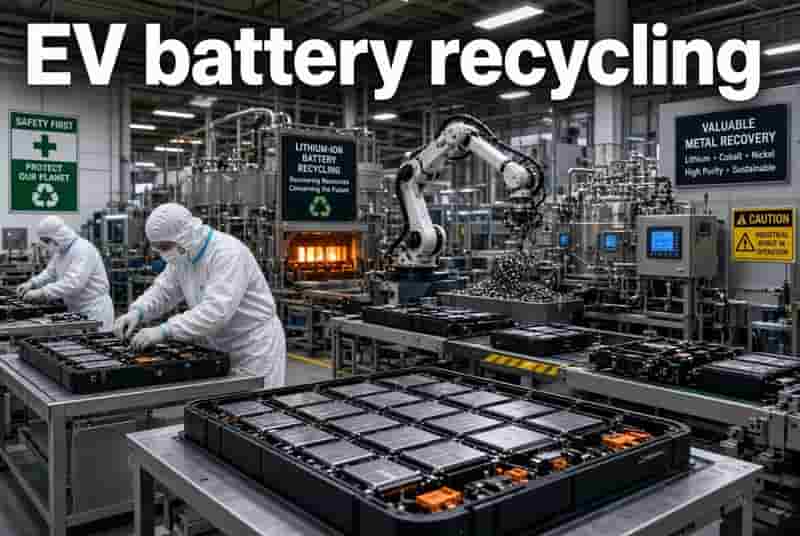
Glencore has entered a battery recycling joint venture with strategic partner Britishvolt to develop an ecosystem for battery recycling in the UK. This ecosystem will be anchored at a new recycling plant located at the Britannia Refined Metals operation (BRM-located in Northfleet), a Glencore company. BRM will continue with its current production and trading operations. Polymerizing-a-material-in-two-dimensions
The project sees a return to recycling for BRM, securing existing jobs and creating new ones. Once complete, the plant will be Glencore and Britishvolt’s first battery recycling facility in the UK with an expected processing capacity of a minimum of 10,000 tonnes of lithium-ion batteries per year, including but not limited to valuable battery manufacturing scrap, portable electronics batteries, and full EV packs. The facility will process all Britishvolt’s battery manufacturing scrap from their factory in Blyth.
The facility is expected to be operational by mid-2023 with the long-term aim of being 100 percent powered by renewable energy. The partnership will also look to develop other recycling activities such as the refining of black mass into battery-grade raw materials.
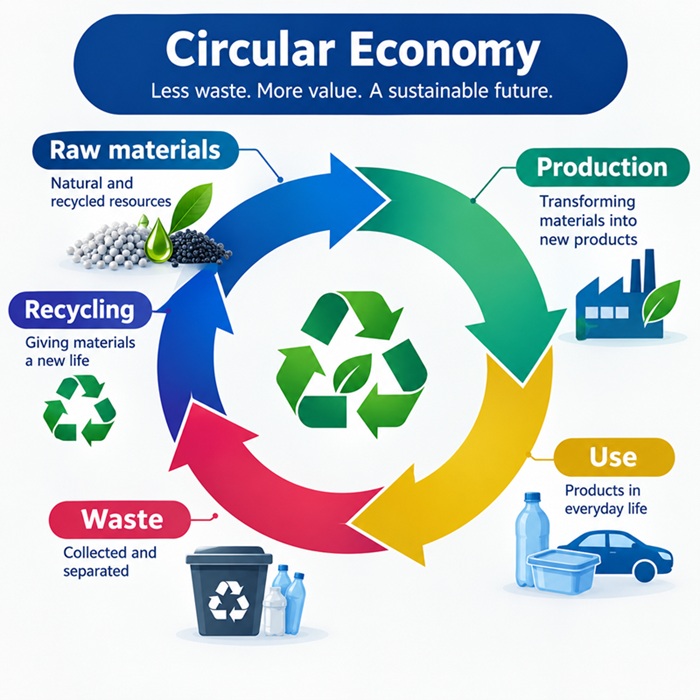
The joint venture will leverage Glencore’s recycling experience across end-of-life materials such as discarded electronics, copper/alloy scraps, and black mass. Both companies believe that battery recycling will form a key part of the energy transition. The aim is to help support the creation of a circular economy that supplies recycled materials and minerals back into the battery supply chain.
“We are excited to deepen our partnership with Britishvolt,” said David Brocas, head cobalt trader at Glencore. “Both companies are united in their ambition to further the energy and mobility transition. Glencore has decades of recycling experience across multiple disciplines (e-waste/copper scrap/battery). Polymerizing-a-material-in-two-dimensions
This recycling partnership complements our long-term supply agreement for responsible cobalt from our operations in Norway and the Democratic Republic of Congo. We believe the opportunity to utilize BRM’s operations as a cutting-edge battery recycling facility will help support the development of a UK battery recycling industry. It will also play a part in furthering the UK’s climate ambitions as well as Glencore’s as we work towards net zero total emissions by 2050.”
“This exciting project adds much to our existing relationship with Glencore supplying Britishvolt with responsibly-sourced cobalt,” said Timon Orlob, global chief operating officer, Britishvolt. “Recycling is key to a successful energy transition and has always been a major part of Britishvolt’s business model. We’ve been looking for the perfect partner to help kickstart a UK battery recycling industry and FTSE 100-listed Glencore has expert historical experience in recycling. This JV will help us both to create a truly sustainable battery value chain, create jobs, and develop new battery recycling technologies. Both Britishvolt and Glencore are fully committed to reducing carbon across the supply chain.” Polymerizing-a-material-in-two-dimensions 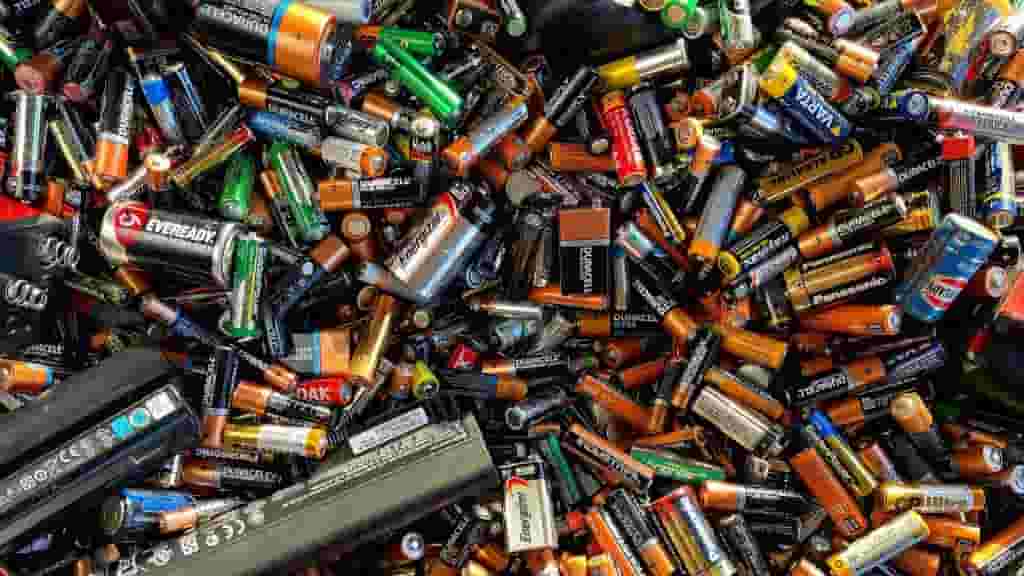
–New-Polymer : New lightweight-material is stronger-than-steel
–LyondellBasell and Greiner-Packaging offer circular-solution
–Coca-Cola rolling out new bottles-made-100%-of-plant-based-ingredients
–Vietnam launches $15-bn economic-recovery programme
–High-Performance, Recycle-Content, Glass-Reinforced-Nylon-6-and-66-Compounds
–GM-Ventures Invests In EV Advanced Battery-Startup-Soelect
Polymerizing-a-material-in-two-dimensions