Biodegradable-anti-microbial 07-02-2022 - Archive
Biodegradable-anti-microbial
PET-Bottle-grade – Petrochemicals – rPET
-TOMRA Recycling establishes dedicated team for wood recycling segment
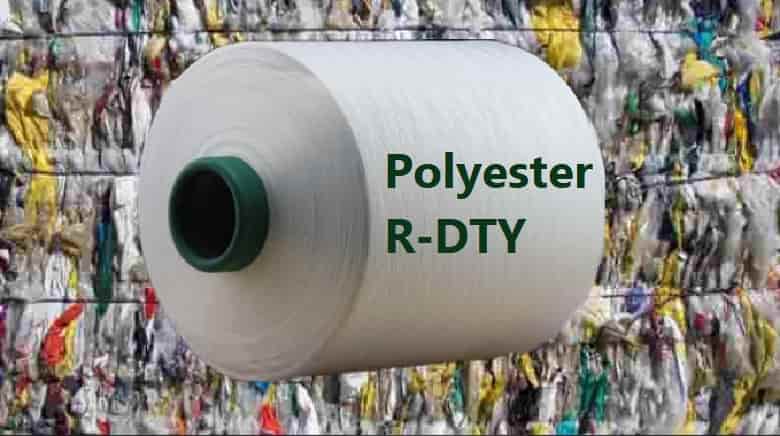
After its most recent market launch of a new deep-learning-based sorting application capable of separating wood by type, TOMRA Recycling has established an entire team focused on the wood segment. With a newly appointed segment manager, industry-savvy experts, waste wood application specialists, and service key account managers, TOMRA is strategically investing in the material recycling of waste wood and thus bolstering recycled content for the wood-based panel industry.
New opportunities in waste wood recycling
The primary use of recycled waste wood is currently in particleboard manufacturing. The wood-based panel industry aims to meet very strong market demand and improve product quality by increasing recycled content, resulting in a twofold benefit for the manufacturer.Biodegradable-anti-microbial
Recycled wood is up to 40 percent cheaper than fresh wood and generally dryer, which results in a significant decrease in energy consumption during the drying stage of the panel production.
Jose Matas, Segment Manager Wood at TOMRA Recycling, comments: “The current market development offers a huge opportunity to wood-based panels manufacturers. Using high-quality recycled materials allows them to produce superior quality wood-based panels, achieve higher yields and outputs while profiting from considerable cost reductions, preserving natural resources, and decreasing CO2 emissions.”
Despite the advantages of wood waste recycling and market trends, a lack of infrastructure impedes the sector’s development. Whereas Central Europe performs well in waste management from collection to recycling and reuse, the waste wood market outside Central Europe is still in its infancy.Biodegradable-anti-microbial
A current view on the market reveals considerable discrepancies in segment maturity and opportunities for growth: Italy, for instance, collects about 2 million metric tons of waste wood annually, of which 63 percent is recycled and turned into panel boards. As a result, approximately 2 million tons of CO2 are saved annually, positively impacting the country’s environmental credentials.
Opposed to Italy’s high-performing system for waste wood collection and recycling, the European Union and the United States alone leave approximately 100 million tons of waste wood unrecycled. The figures show untapped opportunities that can be exploited when implementing holistic resource systems to effectively collect, sort, and recycle waste wood.Biodegradable-anti-microbial
-Harvard team unveils biodegradable, anti-microbial food packaging material
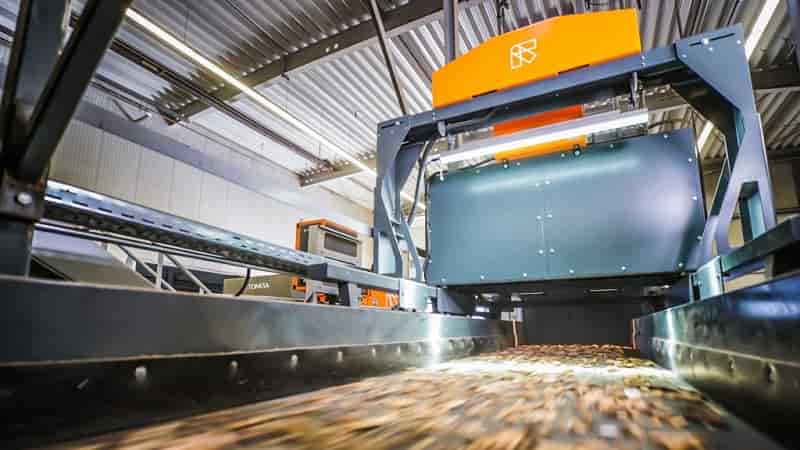
A team of scientists from Nanyang Technological University, Singapore and Harvard University claims to have developed a ‘smart’ food packaging material that is biodegradable and and kills microbes that are harmful to humans – all while extending the shelf-life of fresh fruit by two to three days.
The water-proof food packaging is made from a type of corn protein called zein, starch and other naturally derived biopolymers, infused with a cocktail of natural antimicrobial compounds.Biodegradable-anti-microbial
These include oil from thyme, a common herb used in cooking, and citric acid, which is commonly found in citrus fruits.
In lab experiments, when exposed to an increase in humidity or enzymes from harmful bacteria, the fibres in the packaging have reportedly been shown to release the natural antimicrobial compounds, killing common dangerous bacteria that contaminate food, such as E. Coli and Listeria, as well as fungi.
The packaging is designed to release the necessary miniscule amounts of antimicrobial compounds only in response to the presence of additional humidity or bacteria. This apparently ensures that the packaging can endure several exposures, and last for months.
As the compounds combat any bacteria that grow on the surface of the packaging as well as on the food product itself, the scientists say that the material has the potential to be used for a large variety of products, including ready-to-eat foods, raw meat, fruits, and vegetables.Biodegradable-anti-microbial
In an experiment, strawberries that were wrapped in the packaging reportedly stayed fresh for seven days before developing mould, compared to counterparts that were kept in mainstream fruit plastic boxes, which only stayed fresh for four days.
-Investors warn ‘green’ label for gas undermines EU taxonomy
Investor groups have criticised the European Commission’s plan to label fossil gas projects as “green” under the EU sustainable finance taxonomy, saying it undermines the investment guide’s purpose of promoting climate-friendly activities. Biodegradable-anti-microbial
Fossil gas should not be considered green and labelling it as such will confuse investors, warn the Institutional Investors Group on Climate Change (IIGCC), a powerful coalition of pension funds and asset managers, and Eurosif, a European organisation that promotes sustainable investments.
“It is disappointing that natural gas has been included within the scope of the taxonomy. The taxonomy – which is meant to be the cornerstone of the EU’s sustainable finance agenda – now risks undermining a credible pathway to net zero,” said Stephanie Pfeifer the CEO of IIGCC, whose members manage €50 trillion worth of assets.Biodegradable-anti-microbial
“For institutional investors, the inclusion of natural gas sends mixed messages and will negatively impact their ability to align their portfolios with net zero,” she added.
Meanwhile, Eurosif warns that the inclusion of both fossil gas and nuclear energy in the taxonomy will most likely “adversely impact both the credibility and usefulness of the framework for sustainable investors”.
Both groups warn that giving the green label to fossil gas will leave investors without a credible guide on sustainable investments – the very role the taxonomy was created to perform.
“Investors may now need to consider going further than the taxonomy requires in order to align with net zero. We will work with them on what is required for a credible transition plan via the Net Zero Investment Framework,” Pfeifer said.
Investors worth €50 trillion call on EU to exclude gas from green finance taxonomy
Fossil gas should be excluded from Europe’s list of sustainable investments, according to a group of climate investors with €50 trillion worth of assets.
The group added it was still considering whether to consider nuclear as a sustainable investment. Biodegradable-anti-microbial
-Solvay investing $338M in PVDF for growing EV battery market
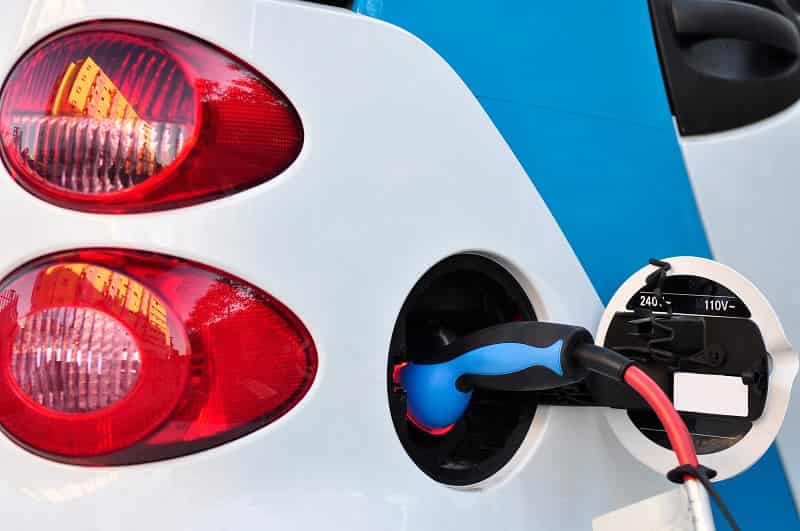
Solvay SA is investing more than $300 million to expand capacity of high-performance polymer Solef polyvinylidene fluoride (PVDF) at its site in Tavaux, France, to meet demand for lithium-ion batteries in electric vehicles.
Solvay SA is adding capacity for Solef-brand polyvinylidene fluoride (PVDF) materials to serve the growing lithium-ion battery market.
Brussels-based Solvay will spend 300 million euros ($338.2 million) to grow annual production capacity for PVDF in Tavaux, France, to almost 80 million pounds per year. In a Feb. 1 news release, officials said the expansion will make the location the largest PVDF production site in Europe.Biodegradable-anti-microbial
Officials said the expansion will be complete by December 2023 and that it “reinforces Solvay’s global leadership in this field, positioning it to capitalize on growing demand for electric and hybrid vehicles.” The firm previously announced a PVDF capacity increase in Changshu, China.
According to Solvay, rapid growth of electric and hybrid vehicles is driving “unprecedented” demand for PVDF, a thermoplastic fluoropolymer used both as a binder and a separator coating in lithium-ion batteries. The material is needed for safer and longer-range performance.
With electrification expected to grow in the next decade, officials said that Solvay is on track to double its market value per vehicle.
As a result, the firm expects to grow its materials sales to the automotive market from approximately 800 million euros ($901.8 million) in 2021 to more than 2.5 billion euros ($2.8 billion) by 2030.Biodegradable-anti-microbial
-Here’s how to turn plastic waste into profit
If you want to make money from waste and need expert advice or to connect with other waste collectors, PET Recycling Company (PETCO) is your go-to place.
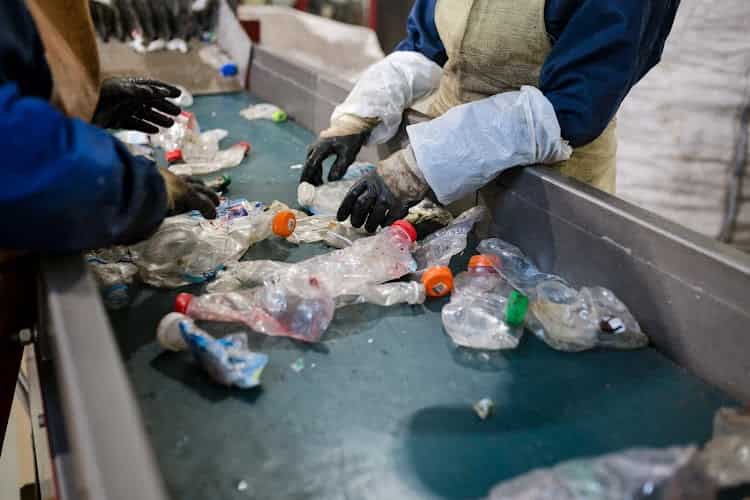
The not-for-profit company represents the South African plastic industry’s efforts to have people manage polyethylene terephthalate (PET) waste, such as used plastic cooldrink bottles. The organisation operates throughout the country.
Spokesperson Junaid Francis says recycling stimulates the local economy and creates value in waste, which was previously not considered to have value.
He adds that recycling provides jobs and livelihoods for people, especially the most destitute members of society.Biodegradable-anti-microbial
PETCO supports recycling initiatives and activities, and these need not be at a large scale.
“Waste collectors do not have to be a member of PETCO in order to start recycling or apply for sponsorship of equipment and protective clothing, or to be able to attend training,” says Francis.
How to start recycling
You can also start recycling in your own home. “Plastic bottles are not trash. When recyclable materials, like PET, are sent to a landfill, they become completely useless. Keep them out of the waste stream by recycling them. Check for local organisations, schools and shopping centres that offer recycling,” he says.
You can start by getting storage bins for your home.
“Once you learn which materials your local drop-off centre accepts, set up a corresponding storage bin system. The garage, or your kitchen, is a good place to locate the bins,” says Francis.Biodegradable-anti-microbial
Biodegradable-anti-microbial