EU Mercosur trade deal – Lula Pushes EU-Mercosur Trade Deal Toward January Signing as European Opposition and Farmer Protests Threaten a Historic Global Agreement 22-12-2025
EU Mercosur trade deal
Lula Signals Urgency on the EU-Mercosur Trade Deal
Brazilian President Luiz Inácio Lula da Silva has renewed momentum behind the long-delayed EU-Mercosur trade deal, saying he hopes the agreement will be signed as early as January. His comments come as negotiations reach a critical moment after more than 26 years of talks between the European Union and the South American trade bloc. EU Mercosur trade deal
The EU-Mercosur trade deal is widely regarded as one of the most ambitious free-trade agreements ever negotiated. If finalized, it would create a massive market linking Europe with South America, reshaping trade flows across agriculture, manufacturing, energy, and services.
Despite its economic scale, political resistance in Europe continues to threaten the deal’s completion.
What the EU-Mercosur Trade Deal Would Cover
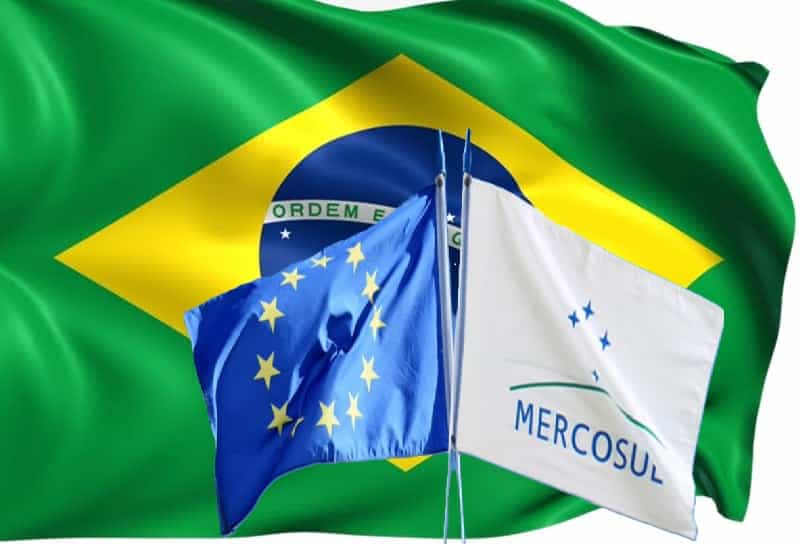
The agreement would unite the European Union with five Mercosur countries: Brazil, Argentina, Uruguay, Paraguay, and Bolivia. Together, the two blocs represent a combined market of around 780 million people and roughly one quarter of global gross domestic product.
Under the proposed framework, the EU-Mercosur trade deal would gradually eliminate tariffs on most goods traded between the regions. This includes agricultural exports such as beef, soy, sugar, and poultry from South America, as well as industrial goods, automobiles, chemicals, and machinery from Europe. EU Mercosur trade deal
Supporters argue the deal would boost economic growth, lower consumer prices, strengthen supply chains, and reinforce multilateral trade at a time of growing global fragmentation.
European Farmers Fuel Growing Opposition
While business groups and exporting nations support the EU-Mercosur trade deal, opposition has intensified across Europe, particularly among farmers. Protests have erupted in several EU countries, with agricultural groups warning that increased imports from South America could undermine local farming standards and livelihoods. EU Mercosur trade deal
Farmers fear that lower-cost agricultural products from Mercosur countries would create unfair competition. Concerns include differences in environmental rules, pesticide use, labor standards, and deforestation policies.
These protests have added political pressure on European leaders already facing domestic unrest, making support for the deal increasingly sensitive. EU Mercosur trade deal
France Emerges as the Deal’s Main Obstacle
France has taken the lead in opposing the EU-Mercosur trade deal. President Emmanuel Macron has repeatedly expressed reservations, citing the need to protect European farmers and uphold environmental standards.
At a recent EU summit, Macron indicated he was not prepared to support the agreement in the near term. He has also been coordinating with other European leaders, including those from Italy, Poland, Belgium, Austria, and Ireland, to discuss delaying the deal further.
This coalition reflects broader unease within parts of the EU, where governments are balancing trade ambitions against domestic political pressure from rural and agricultural constituencies. EU Mercosur trade deal
Lula Rejects the Idea of a Single-Country Veto
President Lula has pushed back strongly against the notion that one European country can derail the EU-Mercosur trade deal. He emphasized that Mercosur remains attractive to global partners and that many countries are eager to deepen trade relations with the bloc. EU Mercosur trade deal
Lula has argued that delaying the agreement undermines multilateralism and weakens economic cooperation between regions that share long-standing diplomatic and commercial ties. He also suggested that unresolved negotiations during his previous leadership periods should not continue to stall progress today. EU Mercosur trade deal
Brazil currently holds the rotating presidency of Mercosur, which Lula sees as an opportunity to finalize pending agreements before the term ends.
Why January Matters for the Agreement
A January signing would represent a symbolic and practical breakthrough. It would demonstrate renewed commitment to open trade at a time when protectionism and geopolitical tensions are rising worldwide. EU Mercosur trade deal
For South American countries, the EU-Mercosur trade deal offers expanded access to one of the world’s largest consumer markets. For the European Union, it would strengthen ties with a region rich in natural resources and growing demand for industrial goods and services.
Missing this window could push negotiations back by years, especially if European political dynamics shift further toward protectionist policies. EU Mercosur trade deal
Environmental and Political Concerns Still Loom
Beyond agriculture, environmental concerns remain central to opposition against the EU-Mercosur trade deal. Critics argue that increased exports from South America could accelerate deforestation in the Amazon and other sensitive ecosystems.
Supporters counter that the agreement includes sustainability commitments and offers Europe greater leverage to promote environmental standards through trade engagement rather than isolation.
This tension highlights a broader debate about whether trade agreements should be used as tools for environmental enforcement or avoided altogether when standards differ between partners. EU Mercosur trade deal
The Global Stakes of the EU-Mercosur Trade Deal
The significance of the EU-Mercosur trade deal extends far beyond Europe and South America. It is viewed as a test case for large-scale trade agreements in an era marked by geopolitical rivalry, supply chain disruptions, and declining trust in globalization.
A successful signing would send a message that complex, multilateral trade deals are still possible despite political resistance. Failure, on the other hand, could reinforce a trend toward regionalism and fragmented trade rules.
For Lula, the agreement represents not only economic opportunity but also diplomatic validation of Mercosur’s relevance on the global stage. EU Mercosur trade deal
What Happens Next
Negotiators now face a narrow path forward. European leaders must decide whether to push ahead despite domestic opposition or delay further to address farmers’ concerns. Meanwhile, Mercosur countries continue to signal readiness to conclude the agreement.
January remains an aspirational deadline rather than a guarantee. Yet Lula’s public optimism underscores a belief that compromise is still achievable if political will aligns on both sides of the Atlantic.
The coming weeks will determine whether one of the world’s largest trade agreements finally crosses the finish line or remains stalled after more than a quarter century of negotiations. EU Mercosur trade deal
More…