Oil markets Surge as Brent Holds Above $106 and WTI Nears $100 Amid Middle East Tensions
Oil Markets Surge as Brent Holds Above $106 and WTI Nears $100
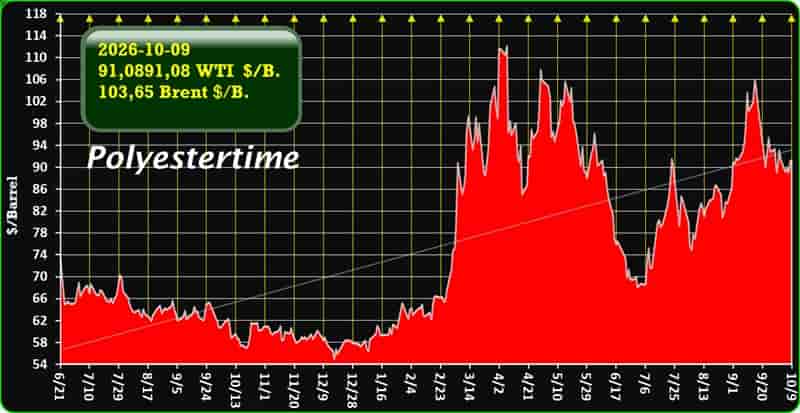
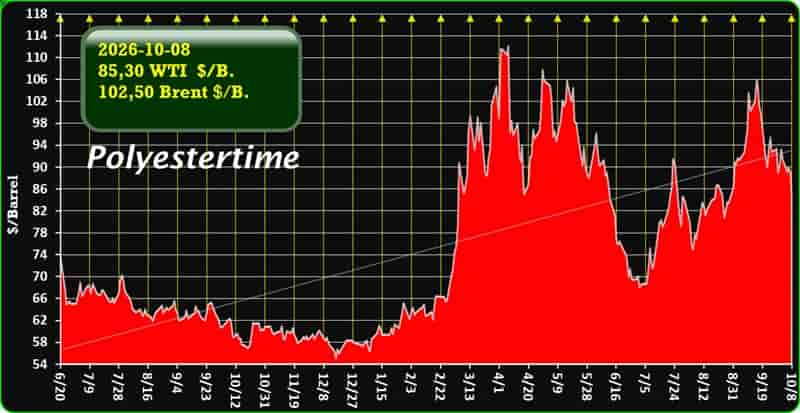
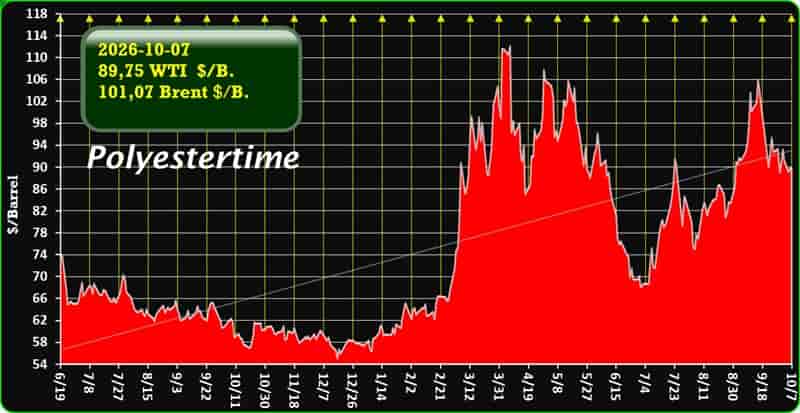
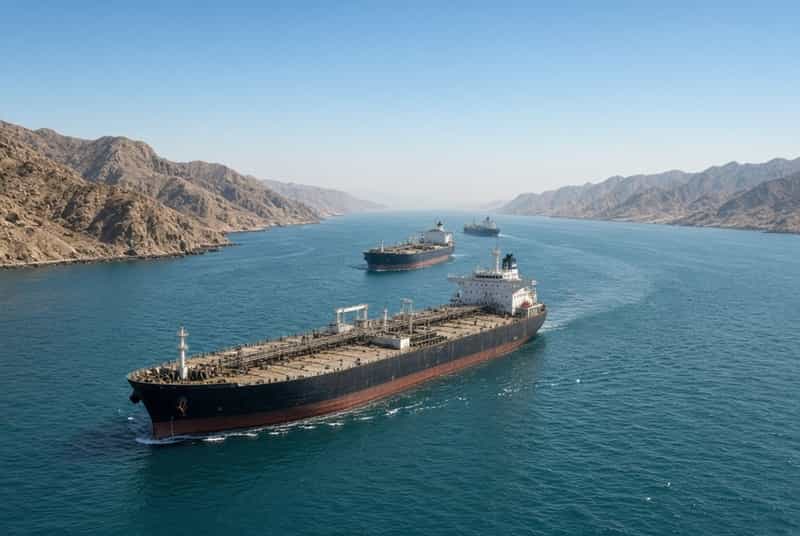
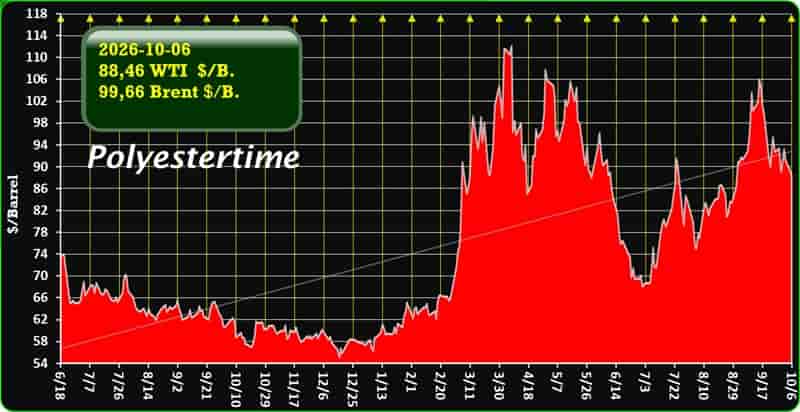
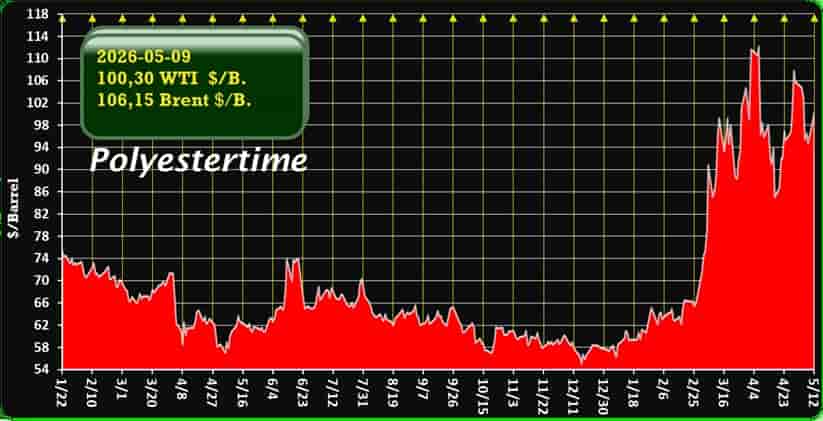
Oil markets have once again returned to the center of the global economic debate as Brent crude hovers around $106 per barrel while West Texas Intermediate (WTI) trades close to $100. The sharp rally reflects a combination of geopolitical instability, supply disruptions and renewed fears over the security of global energy flows, particularly through the Strait of Hormuz, one of the world’s most strategic oil transit routes.
The recent surge in crude prices has been driven largely by escalating tensions involving Iran and continued uncertainty surrounding U.S.-Iran negotiations. Traders are increasingly pricing in the possibility of prolonged supply constraints after disruptions in tanker traffic and export flows across the Gulf region.
Brent, the international benchmark used to price much of the world’s crude exports, briefly climbed above $106/b in recent sessions, while WTI approached the symbolic $100 threshold. Analysts note that these levels are not only psychologically important for financial markets, but also highly significant for inflation, transportation costs and industrial production worldwide.
The Strait of Hormuz Remains Critical
The Strait of Hormuz remains the focal point of market anxiety. Roughly one-fifth of global oil consumption passes through the narrow maritime corridor linking the Persian Gulf to international markets. Any threat to shipping activity immediately impacts crude futures, freight insurance costs and refinery margins.
Reports suggest that traffic restrictions and military tensions have already reduced export volumes from the region, amplifying the market’s geopolitical risk premium. Energy traders continue to monitor developments closely as even temporary disruptions can have an outsized impact on global pricing.
OPEC Production and Supply Concerns
Another factor supporting higher oil prices is the decline in OPEC production levels. Several producers are struggling to maintain output targets amid infrastructure limitations and political instability. At the same time, strategic reserves released earlier this year by consuming nations have only partially offset supply concerns.
The divergence between Brent and WTI prices also reflects logistical and regional market dynamics. Historically, WTI often traded at a premium due to its higher quality and lower sulfur content. In recent years, however, Brent has maintained a stronger price due to international shipping constraints and broader global demand exposure.
Fuel Prices Rising Faster Than Crude
What is particularly noteworthy in the current rally is that refined fuel prices are rising even faster than crude itself. Gasoline, diesel and jet fuel markets are showing signs of stress, while refining margins continue to widen sharply. This suggests the supply crunch may increasingly be centered on fuel products rather than crude oil alone.
This has direct consequences for consumers and businesses alike. Higher fuel costs are already feeding into transportation expenses, airline ticket prices, manufacturing costs and food inflation. In Europe and Asia, governments are closely monitoring the risk that prolonged oil strength could undermine fragile economic recoveries and force central banks to maintain tighter monetary policies for longer.
Markets Watching Diplomacy Closely
Financial markets are also reacting to the renewed volatility in energy. Energy stocks and commodity-linked funds have outperformed broader equity indices, while investors are reassessing inflation expectations and global growth forecasts.
Several investment banks have revised their oil projections upward, with some analysts now expecting Brent to remain above the $100 mark if geopolitical tensions persist. However, the market outlook remains highly sensitive to diplomacy and geopolitical developments.
Any breakthrough in negotiations between Washington and Tehran could rapidly cool prices and trigger a sharp correction. Conversely, any escalation involving shipping lanes, sanctions or regional military activity could send Brent toward the $115–120 range once again.
Conclusion
For now, traders remain trapped between fears of economic slowdown and fears of supply shortages. Demand growth from Asia continues to support consumption, while inventories in several major economies remain below historical averages.
As Brent stabilizes around $106 and WTI near $100, the energy market is entering a new phase where geopolitics once again dominates pricing. Whether these levels become the new normal or simply another spike in an exceptionally volatile cycle will depend largely on diplomatic developments, OPEC policy decisions and the future security of global shipping routes in the Middle East.
Trump Rejects Iran Peace Proposal as Oil Prices Surge Above $100