Oil Price Holds Near $100 as Volatility Eases
Oil Price Trend: Market Stabilizes Near Key Levels
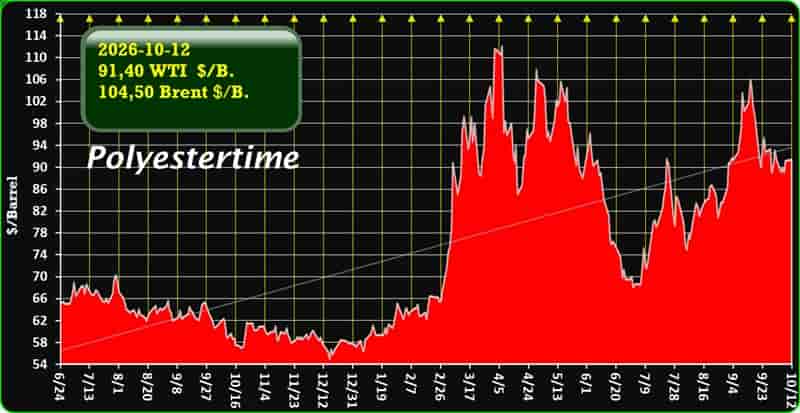
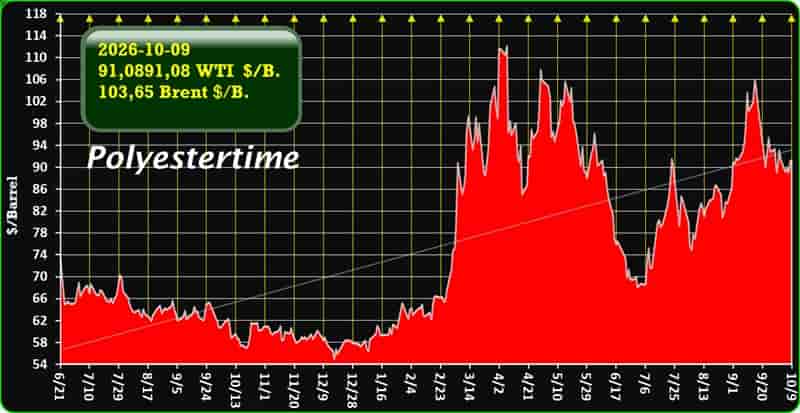
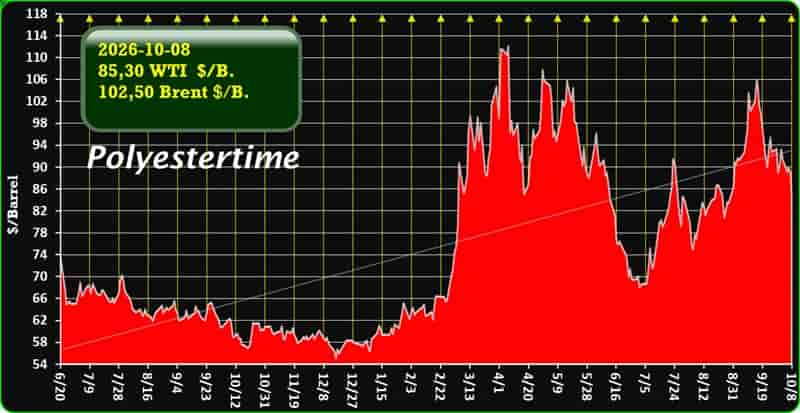
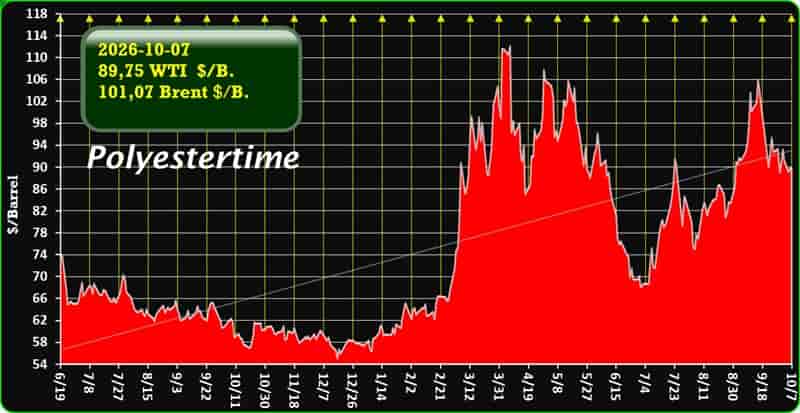
As of April 17, 2026, the oil price remains elevated but shows signs of stabilization after weeks of volatility. Brent crude is trading in the $95–105 per barrel range, while WTI fluctuates between $90 and $100. Recent sessions have seen a modest pullback, with Brent near $98 and WTI around $93–95 following a decline of about 1–1.5% .
Despite this softening, the crude price is still significantly higher than earlier in the year, reflecting ongoing geopolitical risk premiums and structural supply concerns.
Key Oil Price Benchmarks (April 17, 2026)
| Benchmark | Price Range ($/B) | Latest Trend |
|---|---|---|
| Brent Crude | 95 – 105 | Slight decline, stabilizing |
| WTI Crude | 90 – 100 | Mild pullback |
| OPEC Basket | ~100+ | Elevated but easing |
What Is Driving the Oil Price Today?
1. Geopolitical Developments: Easing Tensions
One of the main drivers of the current crude price movement is a shift in geopolitical dynamics. A temporary ceasefire between Israel and Lebanon, along with renewed prospects for U.S.–Iran negotiations, has reduced fears of supply disruptions .
Earlier in 2026, tensions in the Middle East—particularly around the Strait of Hormuz—pushed crude price levels above $100. Now, easing risks are removing part of that geopolitical premium.
2. Supply Constraints vs. Hidden Tightness
While headline prices have eased, underlying supply conditions remain tight. Physical oil markets show a significant premium for immediate delivery, indicating real shortages in certain regions. In some cases, refiners are effectively paying far above futures prices due to logistical bottlenecks and crude compatibility issues .
At the same time, OPEC+ continues to play a balancing role. The group has maintained a disciplined approach to output, supporting the oil price even as volatility increases.
3. Demand Signals and Economic Data
Global demand remains mixed. On one side, economic resilience—such as stronger-than-expected GDP data in some regions—supports consumption. On the other, high energy costs are beginning to weigh on growth and inflation.
Institutions like the EIA now expect global oil demand growth to slow to around 0.6 million barrels per day in 2026, reflecting weaker consumption trends, especially in Asia .
4. Investor Sentiment: Cautious but Resilient
Investor sentiment around the crude price has shifted from panic-driven buying to cautious optimism. Equity markets have remained relatively stable despite higher energy costs, suggesting that investors are starting to price in a peak in energy prices.
Some strategists even argue that the oil price may have already peaked for this cycle, as markets adapt to supply disruptions and geopolitical risks begin to ease .
Oil Price vs Market Drivers
| Factor | Impact on Oil Price | Current Direction |
|---|---|---|
| Geopolitics | Strong upside risk | Easing |
| OPEC+ policy | Supports prices | Stable |
| Global demand | Mixed influence | Slowing |
| Investor sentiment | Drives volatility | Stabilizing |
Short-Term Outlook for Oil Price
In the short term, the oil price is likely to remain within the current range of $90–105 per barrel. The market is transitioning from a geopolitically driven rally to a more balanced phase where fundamentals matter more.
Two scenarios dominate:
- Bullish case: Renewed geopolitical tensions or supply disruptions could push the oil price back above $105.
- Bearish case: Continued easing of tensions and weaker demand could bring prices closer to $85–90.
What This Means for the Global Economy
A sustained oil price near $100 has broad implications:
- Inflation pressure: Energy costs continue to impact consumer prices and industrial margins.
- Economic slowdown risk: High fuel costs may dampen growth, particularly in energy-importing regions.
- Energy transition dynamics: Elevated prices could accelerate investment in renewables and alternative energy.
Oil Price Volatility Signals Fragile Global Demand Outlook
More…