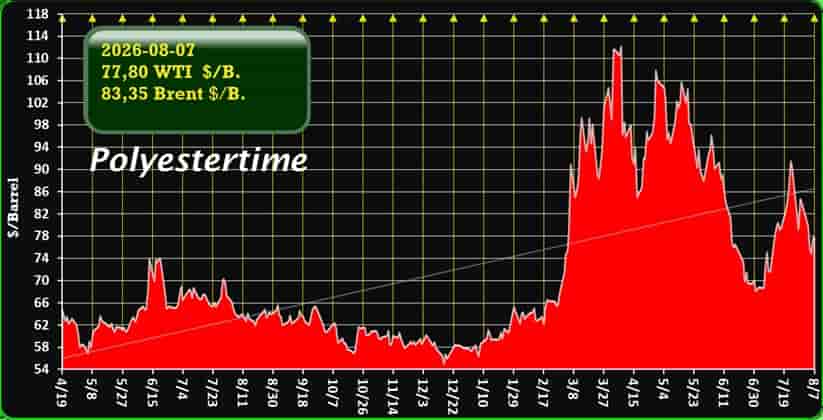
Oil Price Pressured by Oversupply Fears Despite Potential Rate Cut — A Mixed Signal for Markets and Consumers 25-11-2025
Oil Price – Introduction
The oil price remains under pressure on 25 November 2025 as the market wrestles with conflicting signals. On one hand, benchmark crude futures reflect lingering geopolitical risks. On the other, forecasts of a 2026 supply surplus and cautious demand growth temper optimism. In this article we examine the current levels, the drivers behind them, and implications for market participants and consumers.
Current Price Snapshot
Below is a table summarising the latest for the two major crude benchmarks:
| Benchmark | Price (US $/barrel) | Notes |
|---|---|---|
| Brent crude | ~$62.32 | Reflects decline from recent highs amid supply concerns |
| WTI (West Texas Intermediate) | ~$58.48 | Also under pressure, though still supported by demand hopes |
While various news sources report slightly varying levels—e.g., Brent at ~$63.10 and WTI ~$58.61 as of early trading. The Business Times+3Reuters+3Apa.az+3
What’s Driving the Oil Price Today
Oversupply Worries
Analysts warn that global crude production may outstrip demand growth in 2026 by a considerable margin. The expectation of a surplus weighs heavily on the oil price outlook. Reuters+2Reuters+2
Geopolitical Tension and Russian Supply
Geopolitical risks—especially around the Ukraine-Russia conflict—continue to loom. While sanctions remain in place, any easing via a peace deal could unlock more supply and exert downward pressure on the oil price. Apa.az+2Reuters+2
Monetary Policy and Demand Outlook
Expectations of a potential rate cut by the Federal Reserve (Fed) are supporting the oil price via improved demand prospects. Lower interest rates may stimulate economic activity and, by extension, fuel consumption—giving a modest lift to the oil price. The Business Times+1
Interpretation: Why the Oil Price is Stuck in the Middle
The oil price today reflects a tug-of-war between bearish supply and bullish demand narratives. On the supply side, an excess is increasingly probable; on the demand side, hopes of monetary easing and ongoing economic activity provide some cushion. The outcome is a muted market with limited upside and notable downside risk.
Implications for Industry and Consumers
-
Oil producers may face margin pressure if the oil price remains in the low $60s (Brent) and high $50s (WTI) or declines further.
-
Refiners and downstream consumers might benefit from stable/softer crude feed-costs if the oil price falls.
-
Consumers and governments reliant on oil imports could enjoy some relief from elevated prices—but must monitor geopolitical or supply disruptions.
-
Investors should note that forecasts from major banks (e.g., JPMorgan Chase & Co.) suggest further downside risk in the medium term, with potential crude price dips into the $30s by 2027 unless supply is curtailed. Reuters+1
Outlook for the Coming Months
Given the current dynamics:
-
If supply remains unchecked and demand growth disappoints, the oil price could slip further.
-
Conversely, any unexpected disruption (geopolitical or production) or stronger than expected demand could propel the oil price upward.
-
Short-term support from a potential Fed rate cut may limit declines in the crude price, but the structural headwinds from oversupply are strong.
Conclusion
In sum, the crudeprice as of 25 November 2025 is navigating a precarious path: Brent around ~$62–63 and WTI near ~$58. Facing the tug of supply surpluses and demand hopes, the market remains cautious. Stakeholders—from producers to consumers—should monitor both macroeconomic signals (like Fed policy) and geopolitical developments (especially Russia/Ukraine) to anticipate potential shifts.