Oil price – Global Oil Price Dips as Hopes for Ukraine-Russia Ceasefire Fuel Supply Fears — Brent Near $62.5, WTI Around $58 27-11-2025
Oil price – Introduction
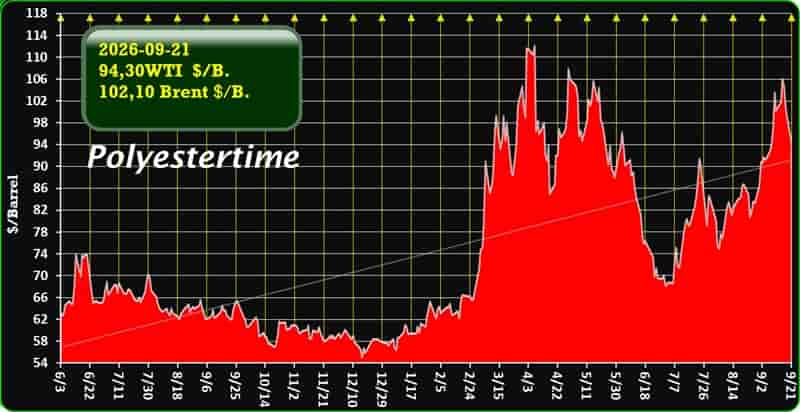
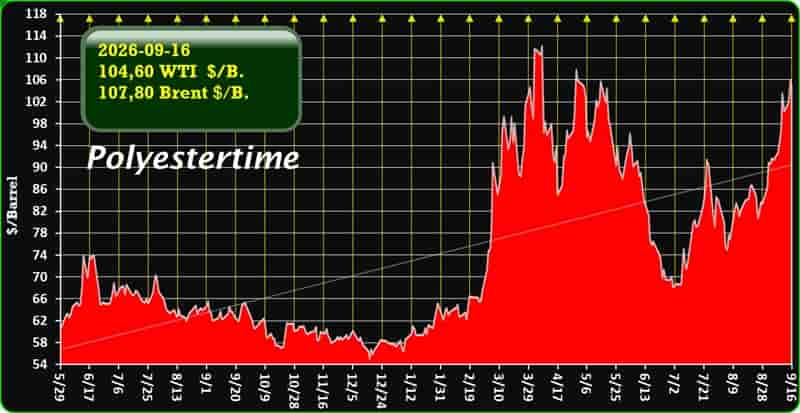
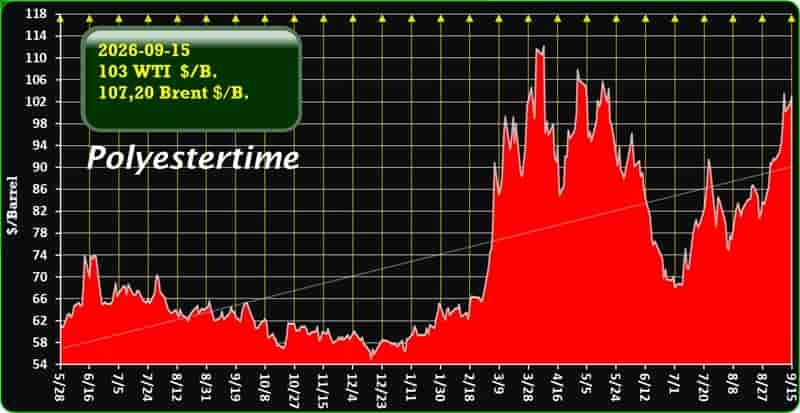
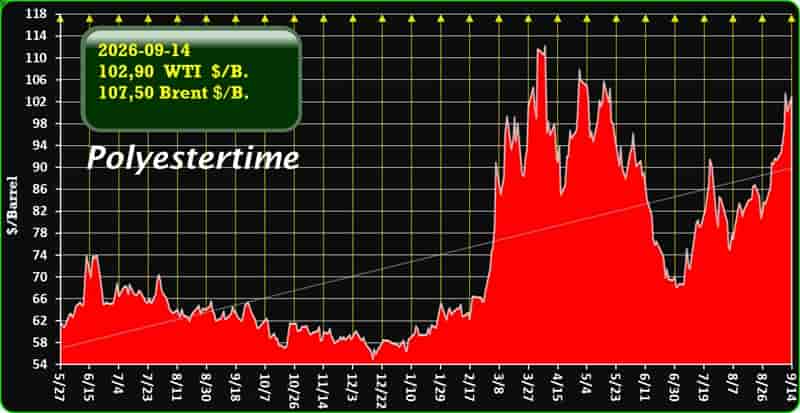
Today (November 27, 2025) global crude markets are under pressure: Brent crude hovers near $62.46 per barrel, while U.S. West Texas Intermediate (WTI) stands at about $58.62 per barrel. Amid shifting geopolitics and evolving supply expectations, investors are recalibrating their outlooks — and that has major implications for consumers and markets worldwide. In this article we explore what’s behind the decline, what to watch next, and why this snapshot matters.
? What’s happening now: price snapshot & context
According to recent reporting, oil prices slid as investors responded to optimism over a potential ceasefire between Ukraine and Russia — a development that could unlock Russian oil for export and ease supply constraints. Reuters
At the same time, markets remain thin because of the U.S. Thanksgiving holiday, which tends to dampen trading volumes and amplify volatility. Reuters+1
Why the drop: supply hopes & demand worries
⚖️ Geopolitics & supply restoration
The main driver behind the recent decline is the expectation that a ceasefire could lead to the lifting or easing of Western sanctions, thereby allowing more Russian crude to flow back into global markets. Oil price
This potential influx of supply has made traders cautious, pushing prices down. Reuters
? Oversupply + Demand Uncertainty
Global supply appears to be outpacing demand growth. The ramp-up in output by non-OPEC producers combined with a relatively soft demand outlook — especially in parts of Asia — is feeding expectations of a supply glut. JPMorgan Chase+2Business Insider+2
Indeed, earlier in the month, data pointed to consecutive oil price declines for North Sea crude, reflecting easing market tightness. IEA+1
⏳ Technical & Seasonal Factors
Part of the recent movement may also reflect technical trading: some analysts attribute short-lived upticks to short-covering or brief rebounds after prior drops — not to fundamental demand strength. Reuters+1
Moreover, the holiday season typically weakens demand, contributing to thinner trading and higher volatility. Reuters
What analysts expect: medium-term outlook
Some major firms are already adjusting their forecasts downward. For example, J.P. Morgan recently projected that by 2026, Brent could trade near $58 per barrel — signaling a bearish tone given current levels. JPMorgan Chase+1
Other analysts even warn that prices could dip sharply toward the low $50s or below — especially if supply continues to outpace demand, or if global economic growth slows. Business Insider+1
If those scenarios materialize, consumers may see lower energy costs — but oil-producing nations and energy companies could face pressure. Oil price
⚠️ What this means for Europe & Italy
For European economies — including Italy — a decline in global oil prices could translate to lower gasoline and energy costs, easing inflationary pressure on households and businesses.
At the same time, regions and countries that rely heavily on oil revenues or domestic energy production may feel the strain of lower returns. Even for end-users, however, the translation from crude price to pump price is not immediate or linear, as refining, transport, taxes and margins play a role. Oil price
Businesses in sectors sensitive to fuel costs (logistics, manufacturing, transport) may benefit — though the overall impact will depend on how long lower prices persist.
✅ What to watch next
-
Ceasefire developments between Ukraine and Russia — any formal agreement could further pressure prices downward.
-
Global supply trends, especially additional output from Russia, the U.S., and non-OPEC producers.
-
Demand signals, particularly from Asia and industrial/global economic growth forecasts.
-
Decisions by OPEC+ regarding production levels.
-
Macroeconomic factors — interest rates, inflation, and consumer demand, as these influence energy consumption patterns globally.
Conclusion
The recent dip — with Brent around $62.46/bbl and WTI near $58.62/bbl — reflects a shift in market sentiment: from tightening supply worries toward potential oversupply, sparked by hopes of a Ukraine-Russia peace deal and resumption of Russian oil flows. With several bearish forecasts gaining traction, the near-term may see continued pressure on crude prices. For Europe and Italy, that could mean relief at the pump or lower energy costs, but industries and oil-linked economies may face headwinds. As always, the energy market remains sensitive to geopolitics, global supply-demand balances, and macroeconomic shifts — and all eyes remain on what happens next.