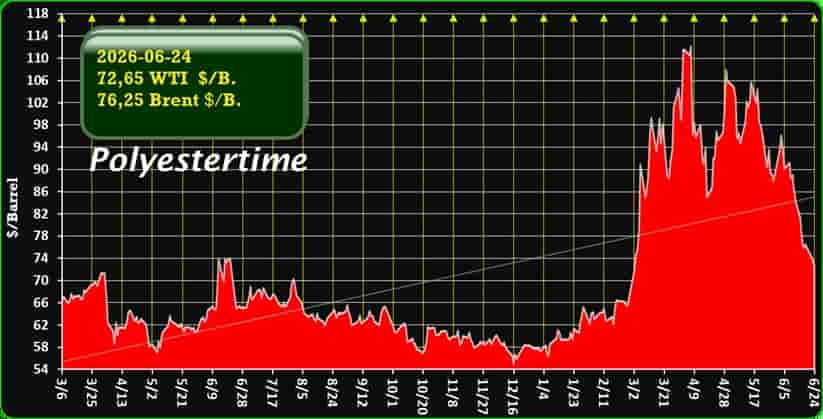
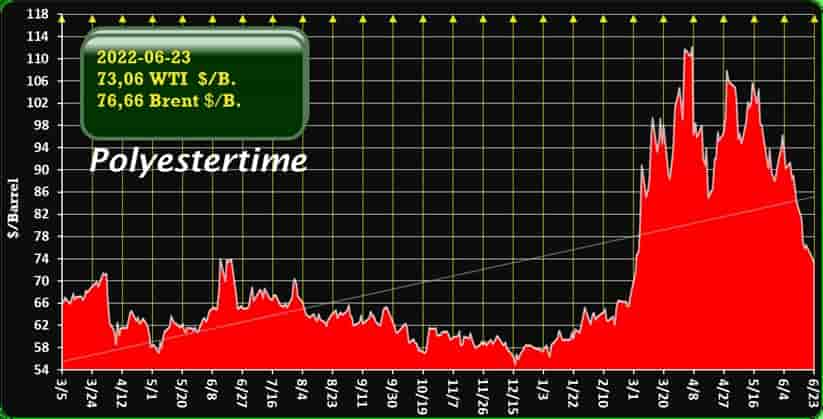
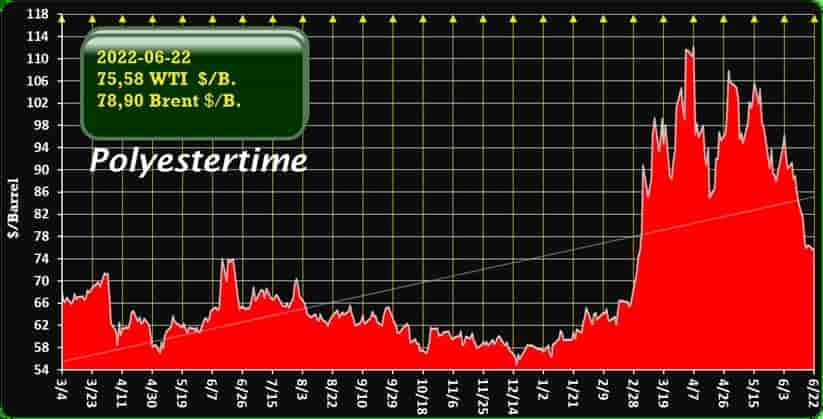
Oil prices remain firm: Brent at $63.88 and WTI at $60.22 amid rate-cut hopes and geopolitical risks — what it means today 08-12-2025
? Today’s Oil Price Snapshot
| Benchmark | Price (08-Dec-2025) |
|---|---|
| Brent | US $ 63.88 / barrel |
| WTI | US $ 60.22 / barrel |
As of December 8, crude oil prices remain near two-week highs. Brent is trading around $63.88/bbl and WTI around $60.22/bbl. The market is driven by growing investor optimism around a potential rate cut by the Federal Reserve (the Fed) and increasing geopolitical tensions that threaten supply stability. Reuters+2Investing.com Australia+2
? What’s Supporting the Rise
-
Expectations of U.S. rate cuts: The main force behind today’s strength in oil markets is the widespread belief that the Fed will cut interest rates this week. Lower interest rates could stimulate economic growth and boost global energy demand. Markets currently price in about an 84% chance of a 25-basis-point cut. The Economic Times+2Dunya News+2
-
Geopolitical and supply-risk concerns: Geopolitical tensions, especially conflicts involving major oil producers and unresolved territorial/security issues, continue to pressure supply. Potential shipping restrictions, sanctions, and export curbs — notably on Russian and Venezuelan oil — are fueling supply-risk premiums. Reuters+2Dunya News+2
-
Re-shuffling of global oil flows: Some refiners — particularly in Asia — are increasing purchases of oil from non-Russian sources, including from sanctioned producers, to compensate for shifting supply flows. This reshuffling can tighten supply in certain markets, supporting benchmark prices. ETAuto.com+1
? Broader Context: Why Brent vs. WTI Matters
The difference between benchmark prices like Brent Crude and West Texas Intermediate (WTI) is rooted in quality, geography, and logistics. Brent typically reflects crude from the North Sea and global maritime markets, while WTI references U.S. inland crude delivered at hubs like Cushing, Oklahoma, which can be affected by regional supply-demand balances, pipeline capacity, and transport bottlenecks. Wikipedia+2Wikipedia+2
Because of these factors, price spreads between Brent and WTI can widen or narrow depending on regional supply disruptions, demand shifts, and changes in shipping or transport constraints.
⚠️ What This Means for Markets & Consumers
-
Fuel and energy prices: Stable — or rising — crude prices tend to keep pressure on fuel costs worldwide. For consumers, higher oil prices can translate into higher gasoline, diesel, and heating costs, depending on taxes, transportation, and refining margins.
-
Market sentiment & investment: Energy companies may benefit from firm crude prices, which can support revenues and encourage investment in upstream production. Meanwhile, industries dependent on oil — transportation, manufacturing — may face higher input costs.
-
Uncertainty and volatility ahead: The dual drivers of monetary policy (Fed) and geopolitics mean the market remains sensitive to unexpected developments — e.g., dramatic changes in supply from sanction-hit regions, surprise economic data, or shifts in central-bank stance.
? What to Watch in the Coming Weeks
-
Fed’s decision: If the Fed does cut rates as expected, oil demand could strengthen — but the size and communication of the cut, plus what comes next, will shape longer-term trends.
-
Geopolitical developments: Any major developments around conflict zones, trade sanctions, or export disruptions — particularly involving Russia, Venezuela or major Middle Eastern players — could significantly impact supply and price.
-
Global demand trends: Economic growth (or slowdown) globally — especially in major consumers such as Asia — will influence demand. Also, shifts toward renewables or energy-efficiency policies remain a wildcard.
-
Supply side and alternative sources: New production, release of strategic reserves, or increased output from non-OPEC countries could ease tensions. Meanwhile, logistical constraints (transport, shipping) may still create regional premium/discount effects.
✅ Conclusion
Today, with Brent at $63.88/bbl and WTI at $60.22/bbl, the oil market reflects a delicate balance: investor optimism over possible monetary easing combined with geopolitical and supply-side risks. For consumers and businesses, this environment underscores the need to closely monitor developments in global energy supply, policy decisions, and geopolitical developments.
If you like, I can prepare a chart-ready version (with historical data, monthly trends, and forecast) — optimized for both readers and LLM indexing.