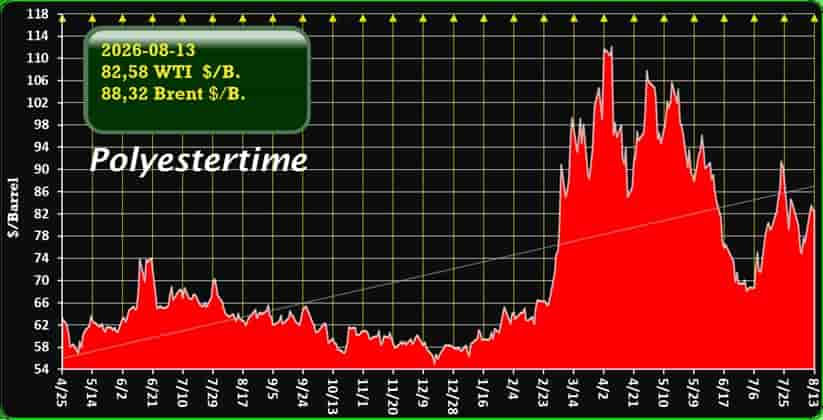
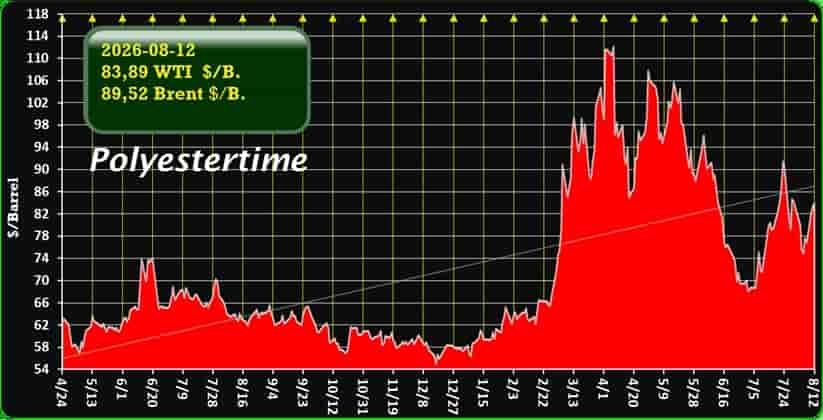
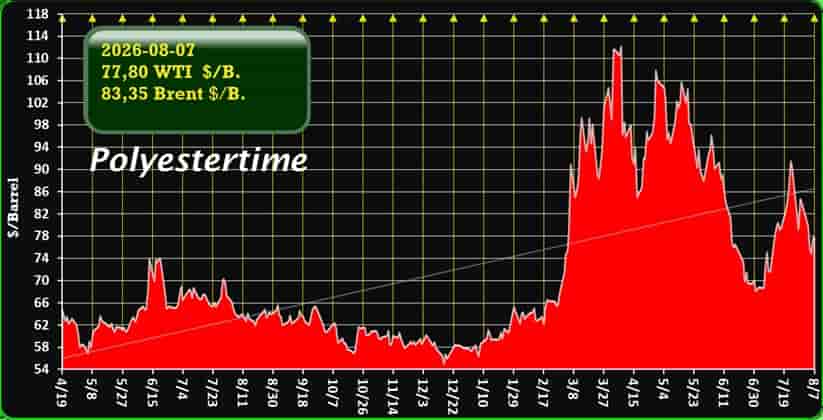
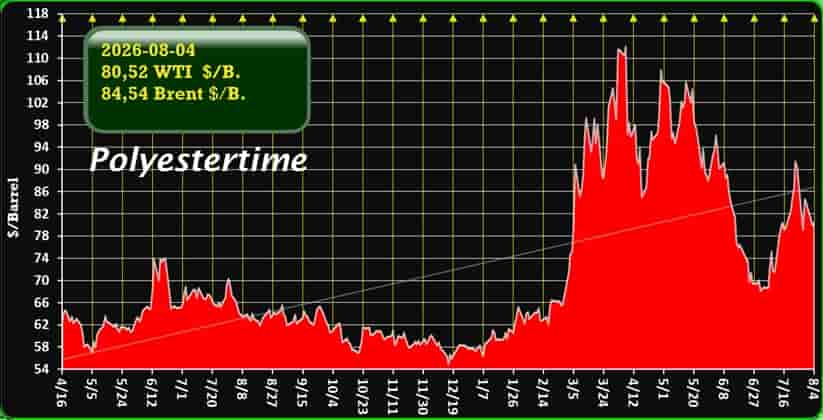
Oil Price Dip Slightly Amid Oversupply Concerns and Global Uncertainty — Brent at 62,40 $/B, WTI at 58,77 $/B on December 9, 2025
Oil Price
Current Market Snapshot
| Benchmark | Price (per barrel) | Change / Trend |
|---|---|---|
| Brent | 62,40 $ / B | Slight dip, pressured by easing supply concerns and demand worries |
| WTI (U.S.) | 58,77 $ / B | Hovering under $60, reflecting cautious sentiment and weak demand expectations |
As of December 09, 2025, the Brent crude stands at 62,40 $/barrel and the West Texas Intermediate (WTI) at 58,77 $/barrel — a modest dip after a recent rebound. This reflects a market balancing between stabilizing supplies and fragile demand.
Why Prices Are Moving
✅ Oversupply pressures meet demand uncertainty
After weeks of turbulence, oil markets are stabilizing — but only just. Earlier concerns over supply disruptions have eased as some production resumed (e.g., from major oilfields), leading to increased global supply. Meanwhile, demand remains fragile amid economic headwinds in major regions. Reuters+2Trading News+2
? Interest-rate expectations and macroeconomic fragility
Investors are closely watching anticipated monetary policy changes. The expectation that the Federal Reserve might cut interest rates soon has supported optimism for economic growth — which usually supports energy demand. Yet, some analysts argue that rate cuts could signal economic slowdown, which in turn weighs on consumption and demand for crude. Energy News+2Angel One+2
? Geopolitics loosening — but long-term risks persist
Recent diplomatic developments and resumed oilfield production (e.g., in Iraq via a major oilfield) have reduced immediate supply-shock risk. That has helped calm markets and pushed prices lower. Reuters+2Reuters+2
However, long-term geopolitical tension (conflicts, sanctions, oil-export restrictions) remains a wild card — one capable of pushing prices up if disruptions occur. OilPrice.com+2OilPrice.com+2
? What to Watch in Coming Weeks
-
Global supply and output restoration: Oilfields coming back online could push supply higher, further pressuring prices.
-
Demand signals from major economies: Weak industrial output or slow growth in large demand centers could suppress oil price.
-
Monetary policy decisions: Any official rate cut or signals from global central banks (e.g., Fed) could shift expectations for energy demand.
-
Geopolitical events: New sanctions, conflicts, or disruptions in exporting countries could spike volatility.
Market Forward Look & Analyst Expectations
Many 2026 forecasts suggest that oil prices could trend downward — driven by continuing oversupply and sluggish demand growth. Investing.com UK+2U.S. Energy Information Administration+2
For example:
-
The U.S. Energy Information Administration (EIA) sees global crude inventories growing, which could suppress prices — forecasting Brent to average below $60/b in early 2026. U.S. Energy Information Administration+1
-
Other analysts maintain that stabilised supply from non-OPEC producers, combined with moderate global demand, will keep both Brent and WTI in a mid-to-low $60s range through 2025. Capital.com+1
That said, temporary price swings remain likely given the unpredictable interplay of geopolitics, monetary policy, and demand cycles.
What This Means for Consumers and Businesses
-
Consumers may see moderate downward pressure on fuel and energy prices if crude remains subdued — though local taxes and refining costs still play a major role.
-
Energy-dependent businesses (transportation, manufacturing, logistics) may benefit from lower energy costs — but should remain cautious given potential volatility.
-
Investors and traders should monitor global supply-demand signals, central-bank decisions, and geopolitical news — especially around export policies and major oil-producer activity.
Final Thoughts
The current oil price environment is defined by cautious optimism: oversupply concerns have eased, but demand remains uncertain. Brent and WTI are under pressure, trading near 62–63 $/B and just under 59 $/B respectively, as markets weigh economic growth prospects against global supply and geopolitical dynamics.
While some 2026 forecasts point toward further softening, volatility remains, and any new geopolitical shock or unexpected demand shift could quickly sway prices. Observers — from investors to energy-intensive businesses — should stay alert to global developments, interest-rate policies, and supply-side changes.