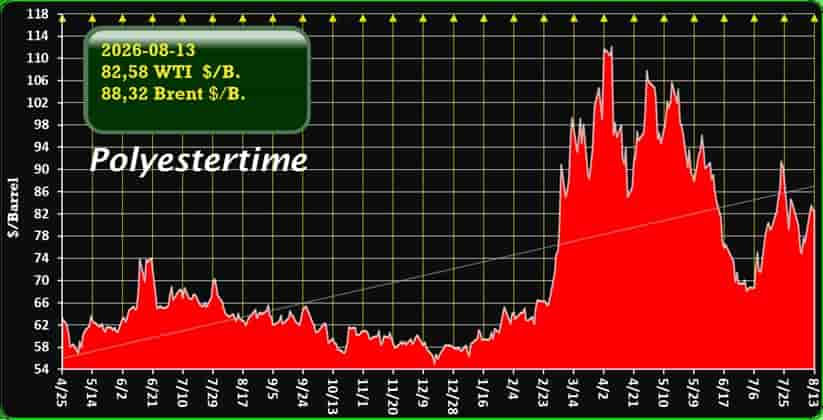
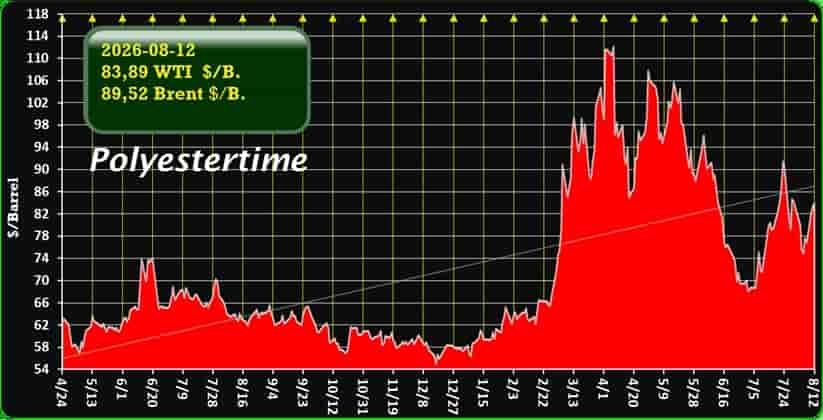
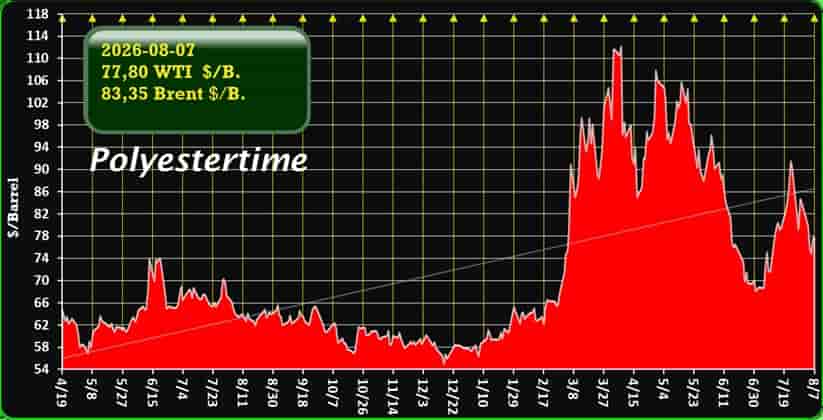
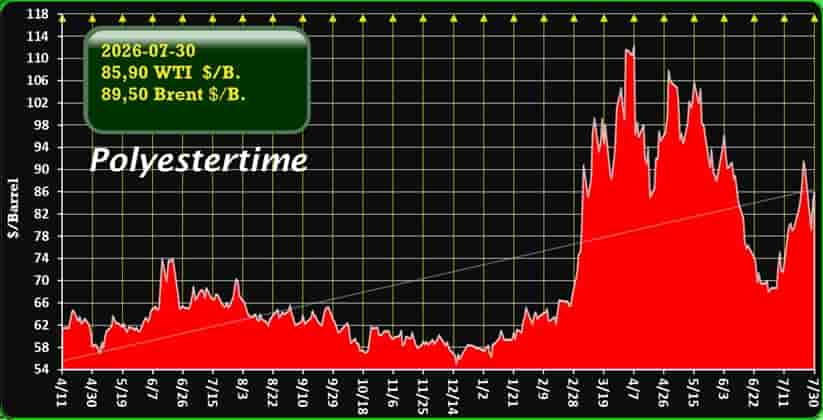
Oil price drops to multi-year lows: Brent at $61.02 and WTI at $57.06 on Dec 22 2025 amid geopolitics and weak demand signals impacting markets
Daily Oil Price Update — December 22 2025
Today’s snapshot of the global oil market shows the oil price trading at lower levels compared with earlier months of 2025. Benchmark Brent crude is around $61.02 per barrel while U.S. West Texas Intermediate (WTI) crude sits near $57.06 per barrel. These price levels reflect a complex blend of geopolitical pressures, evolving supply dynamics and signs of weakening demand globally. Investing.com
📊 Current Price Table
| Benchmark | Price (Dec 22 2025) | Change (Recent) |
|---|---|---|
| Brent Crude | $61.02 /B | Slight uptick on geopolitical headlines Investing.com |
| WTI Crude | $57.06 /B | One-week high on fresh buy orders FXStreet |
Why Oil Price Matters
The oil price influences global economic activity, impacts inflation, and directly affects fuel costs for households and businesses. Prices are shaped by supply from major producers, geopolitical developments that can constrain or boost supply, and expectations about future demand linked to economic growth rates.
Key Drivers of Today’s Oil Market
1. Geopolitical Tensions and Market Response
Recent U.S. actions near Venezuelan waters—intercepting oil tankers and escalating enforcement of sanctions—have stirred concerns about future supply disruptions. Reports indicate the U.S. Coast Guard is pursuing additional vessels possibly tied to sanctions evasion, which lifted oil prices modestly in early trading. The Business Times+1
However, broader market sentiment remains muted because these moves have so far only temporarily disrupted flows, and global supply remains well-stocked overall.
2. Weak Demand Signals and Oversupply
Despite intermittent geopolitical headlines supporting prices, demand concerns persist. Recent data and reports suggest a potential slowdown in global oil consumption which, combined with robust production from major exporters, is acting as a headwind to prices. Markets are cautious, uncertain if geopolitical risk can sustainably drive prices higher. Reuters
This has contributed to oil price benchmarks lingering near multi-year lows.
Supply-Side Dynamics
• U.S. production remains elevated, dampening the impact of geopolitical supply threats. Reuters
• OPEC+ output decisions and non-OPEC contributions continue to influence stock levels.
• Strategic storage levels and inventory data are watched closely for signs of tightening or loosening supply.
Market Sentiment & Technical Signals
Trader behavior shows mixed signals: while WTI recently touched a one-week high as buyers stepped in, broader technical indicators still reflect uncertainty about medium-term upside momentum. FXStreet
Impact on Fuel Costs
Though oil price benchmarks influence retail fuel costs, the translation to what consumers pay at the pump is not one-to-one. Taxes, refining margins and local market conditions also play major roles in gasoline and diesel pricing in Europe and beyond.
What Analysts Are Watching
Short-Term Catalysts
-
Progress in Russia-Ukraine peace negotiations could change supply flows and ease risk premiums.
-
U.S. economic data and Fed policy decisions could influence crude demand expectations.
-
Holiday trading during a typically low-volume season often leads to higher volatility in crude benchmarks.
Long-Term Trends
-
Structural demand trends linked to renewable energy transitions may further shape the oil price over the next decade.
-
Global economic growth forecasts remain central to energy demand scenarios.
Quick Summary
-
Oil price today (Dec 22 2025): Brent ~$61.02/B, WTI ~$57.06/B.
-
Moderate gains from geopolitical tensions tempered by oversupply and demand concerns.
-
Market sentiment mixed, with close attention on inventories and geopolitical developments.
Final Thought
Understanding today’s oil price goes beyond watching a number on a screen. It requires grasping the interplay between geopolitics, global supply flows, economic trends and investor sentiment. Readers and market participants should monitor evolving developments, as small shifts in any of these areas can ripple through the energy complex.