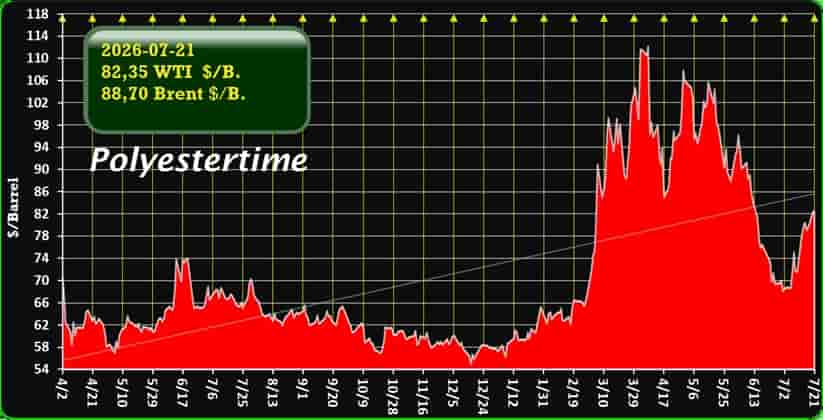
“Oil Price Struggles Continue: Brent and WTI Slide Amid Global Oversupply, Geopolitical Tension, and Weak Demand Signals on December 29, 2025”
Oil Price Trends on December 29, 2025: Oversupply and Uneven Momentum
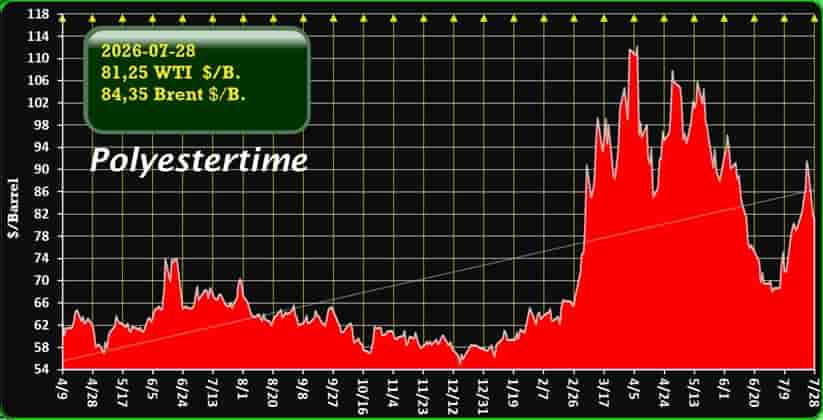
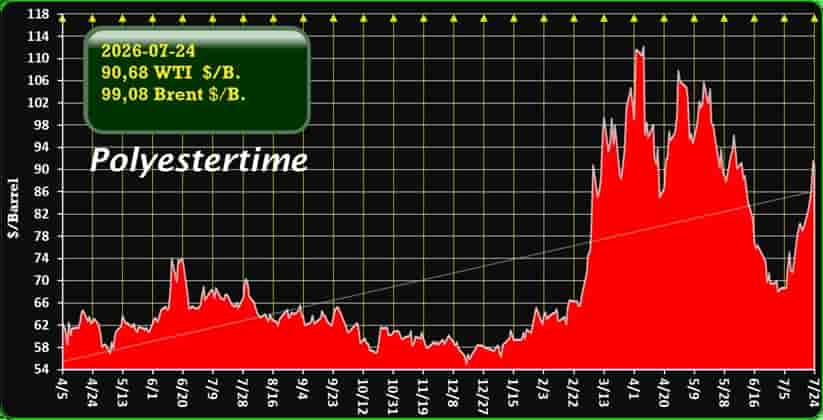
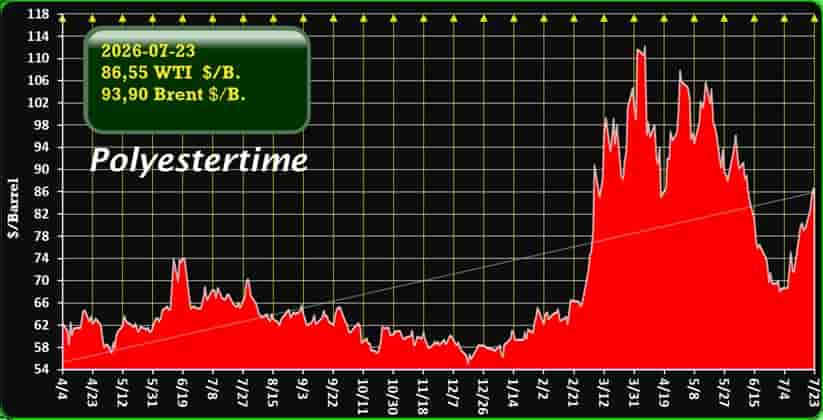
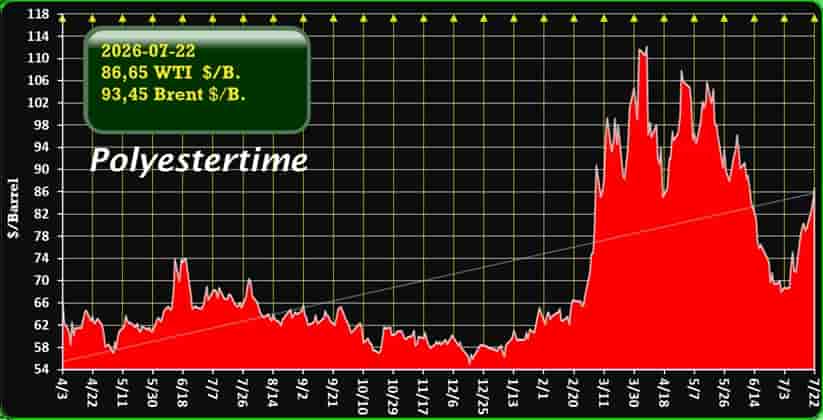
As of December 29, 2025, global oil markets reflect continued downward pressure on crude benchmarks. Brent crude is around $60.91 per barrel while WTI stands near $57.41 per barrel, signaling a cautious sentiment among traders as the year comes to a close. These levels show crude prices lingering below recent peaks, influenced by a combination of supply and demand dynamics. Trading Economics
Current Prices at a Glance
| Benchmark | Price (Approx) | Daily Trend |
|---|---|---|
| Brent Crude | $60.91 / B | Near multi-year lows |
| WTI Crude | $57.41 / B | Muted movement |
Source: Real-time pricing and market data Trading Economics
What’s Driving the Oil Market Today
1. Oversupply Concerns Dominate Sentiment
A persistent theme in 2025 has been global oversupply. Analysts cite rising production from major exporters including the U.S., Canada and OPEC+ countries, which has kept downward pressure on prices throughout the year. The market’s focus on a supply glut continues to weigh on crude valuations. vietbao.vn+1
2. Geopolitical Dynamics Add Mixed Signals
Oil markets are also reacting to geopolitical developments. Recent discussions between U.S. President Donald Trump and Ukrainian President Volodymyr Zelenskyy on a potential peace deal have influenced prices, briefly lifting them on hopes of reduced conflict in Eastern Europe. However, ongoing instability, including tensions in the Middle East, continues to pose supply risk premiums that support price volatility. Reuters+1
3. Demand Uncertainty Remains a Headwind
Global demand growth for oil has shown signs of slowing, influenced by slower industrial activity in key regions and continued adoption of energy efficiency trends. As a result, even modest supply increases risk outpacing demand, nudging prices downward. This dynamic has contributed to some of the weakest oil prices seen in years as markets assess near-term demand prospects. OilPrice.com
4. OPEC+ Production Strategy
OPEC+ has played a notable role in 2025 pricing trends. Although periodic production adjustments provided temporary support, recent decisions to maintain elevated output levels have reinforced oversupply concerns among traders. This strategy aims to balance member states’ economic needs but complicates efforts to stabilize prices. IEA
Investor Sentiment: Cautious and Mixed
Bearish Bias from Fundamental Data
Investor sentiment on December 29 tilts toward caution. With oversupply risks dominating, market participants remain skeptical about strong upward momentum. Reports highlight that oil prices have been trending toward steep annual declines, marking one of the largest yearly drops since 2020. Reuters
Short-Term Reactions to News Flow
At the same time, short-term movements show traders reacting to news events, such as geopolitical talks or disruptions in specific regions. These factors can momentarily lift crude prices but frequently lack the sustained support needed for a strong rebound. Reuters
Short-Term Outlook: Cautious Drift with Risk of Further Declines
Looking ahead to early 2026, analysts project that oil prices may remain under pressure. Many forecasts suggest that crude could test lower trading bands if oversupply persists and demand growth remains tepid. Models point toward potential downward pressure below current levels if sellers dominate market sentiment. U.S. Energy Information Administration
At the same time, periodic geopolitical risk — such as tensions in the Middle East or disruptions in key exporting regions — could inject temporary support, creating choppy trading conditions.
What This Means for the Global Economy and Energy Markets
Economic Impacts
-
Lower energy costs could ease inflationary pressures in many economies, benefiting transportation and industrial sectors.
-
Oil-dependent economies may face fiscal strains as revenue from crude exports remains subdued.
-
Investors are recalibrating portfolios away from energy-heavy exposure, given the uncertain near-term outlook.
Energy Transition Considerations
Persistently lower oil prices may accelerate shifts toward cleaner energy sources as cost dynamics change. While this can slow investment in traditional oil production, it may spur renewed focus on renewables and efficiency technologies.
Conclusion: Oil Price Trend on December 29, 2025
The oil price landscape today reflects a market grappling with oversupply, uneven demand signals and a blend of geopolitical influences. Brent and WTI continue to hover near the lower end of their trading ranges, with investor sentiment tilted toward caution. As we approach early 2026, prices may remain under pressure but will respond dynamically to news flow and global economic trends.