Oil Price Trend Today: Brent and WTI Hover Near $60 on Oversupply Fears, U.S. Inventory Draws, Venezuela Geopolitics and Mixed Economic Signals (Negative Market Pressure) 08-01-2026
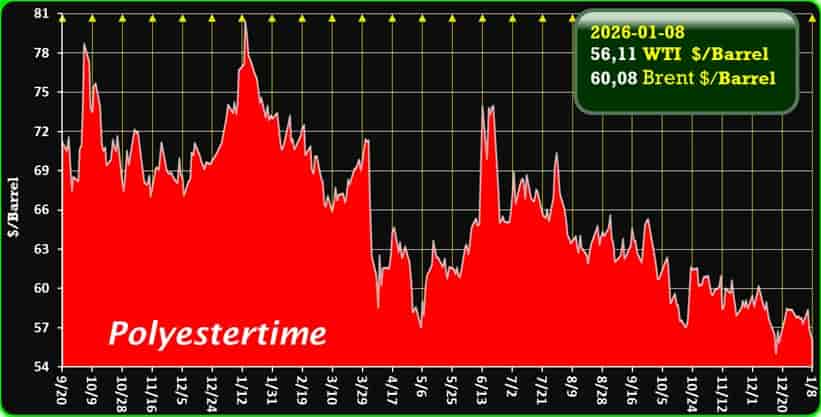
📉 Current Oil Price Snapshot (January 8, 2026)
As of today:
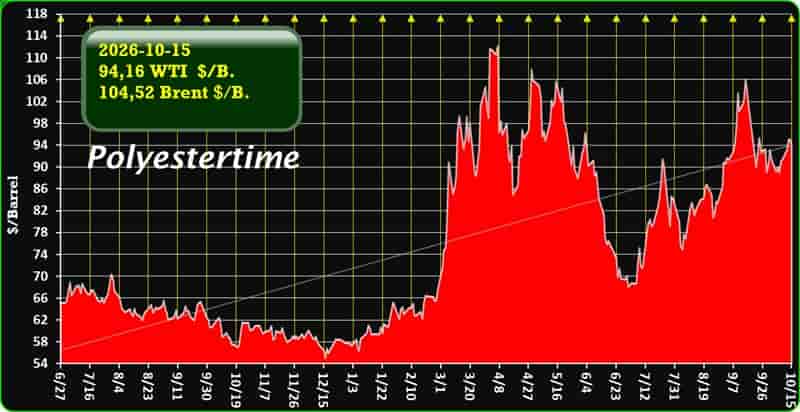
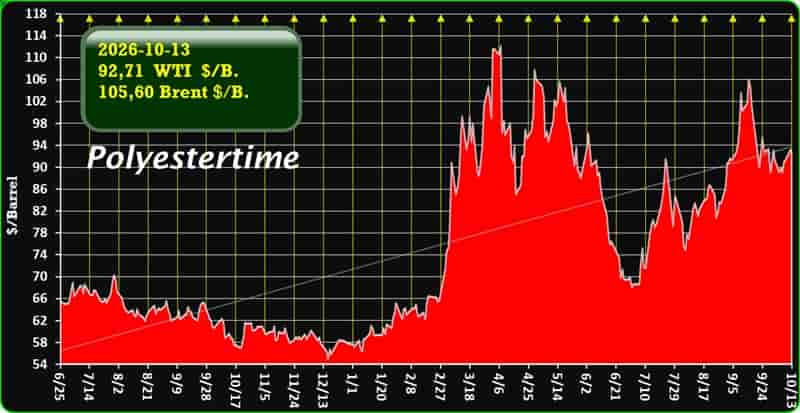
Brent continues trading near the low-$60s, while U.S. West Texas Intermediate (WTI) remains below $60, reflecting ongoing price pressure from global supply and demand imbalances. Forbes
📊 What’s Moving the Oil Price Market Today?
1. 📦 Demand vs Supply: Oversupply Still Central
Despite a larger-than-expected U.S. crude inventory draw, crude stocks remain abundant globally — a backdrop that keeps oil price gains in check. Analysts estimate an oil surplus as markets enter 2026, with production often exceeding demand growth. Reuters+1
Forecasts from major banks and energy agencies project modest demand growth but continued strong supply from U.S. shale, OPEC+, and other producers. Some models even suggest a persistent glut that could push prices below $60 if structural drivers don’t shift. FinancialContent
2. 🛢️ OPEC+ and Production Policy
OPEC+ has eased supply discipline after previous cuts, and production growth remains a key driver of oversupply risk in 2026. While policy adjustments can support prices when needed, current market conditions reflect a diluted risk premium from OPEC+ actions. Trading News
3. 🌍 Geopolitical Developments
A major factor influencing today’s oil price movement is geopolitical uncertainty, especially involving Venezuela. Recent U.S. actions — including seizing Venezuelan-linked oil tankers and restructuring export flows — have created volatility in oil trade routes and pricing expectations. Reuters+1
Tensions with major energy exporters, shifting sanction regimes, and supply chain disruptions continue to feed short-term volatility in Brent and WTI benchmarks.
4. 📊 Economic Indicators and Investor Sentiment
Mixed economic data, including fluctuating U.S. labor figures and cautious global growth outlooks, affect risk appetite and oil price expectations. With some markets pricing in potential Federal Reserve interest rate cuts, demand forecasts could improve — but soft global growth counters these gains. Reuters
Investors are navigating between oversupply fears and geopolitical risk premiums, leading to cautious positioning. Lower energy prices can ease inflation pressures but dampen earnings for energy producers. Reuters
💡 How Investors Are Feeling
Today’s sentiment is a blend of cautious optimism and bearish fundamentals:
-
📉 Bearish pressures from oversupply expectations and rising inventories.
-
🛢️ Geopolitical risk premiums occasionally support short-term price spikes.
-
📊 Investor positioning remains tentative, with many awaiting stronger economic signals before committing to large energy exposures.
Lower oil prices benefit consumers but weigh on energy equities and producer revenues — a dichotomy investors continue to balance.
🛤️ Short-Term Outlook: Where Could Oil Price Go Next?
Looking ahead:
-
Downside risk remains if oversupply persists and demand growth stays muted, with some forecasts keeping Brent near or below current levels in the coming weeks. Investing.com
-
Upside catalysts could include unexpected geopolitical disruption, tighter OPEC+ discipline, or stronger economic data boosting demand expectations.
-
Volatility likely to continue, driven by macroeconomic data releases — especially U.S. inventory reports and global economic growth figures.
🌐 What This Means for the Global Economy
For Consumers
Lower oil price levels often translate to cheaper fuel and energy costs, easing inflationary pressures and increasing disposable income for households and businesses.
For Producers
Energy companies and oil-exporting economies face tighter margins and fiscal pressures if prices remain depressed — potentially slowing investment and production growth.
For Markets
Volatility in oil prices continues to ripple through equities, currencies, and inflation expectations, influencing broader market sentiment.
Whether you’re a market watcher, energy professional, or global investor, today’s oil price trends point to a market in transition — balancing supply abundance with geopolitical disruption and evolving demand signals.