Oil Price Today (October 21, 2025): Market Snapshot Reveals Sharp Decline, Oversupply Fears, and Mounting Concerns Over Global Demand Weakness and Economic Slowdown 21-10-2025
Oil Price Today (October 21, 2025): Market Snapshot
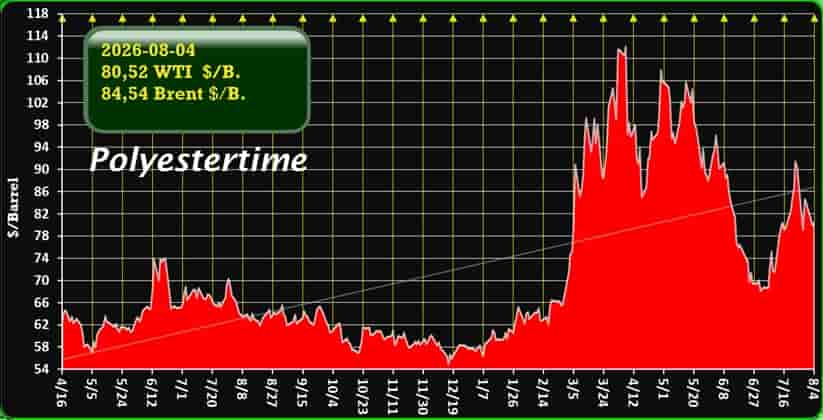
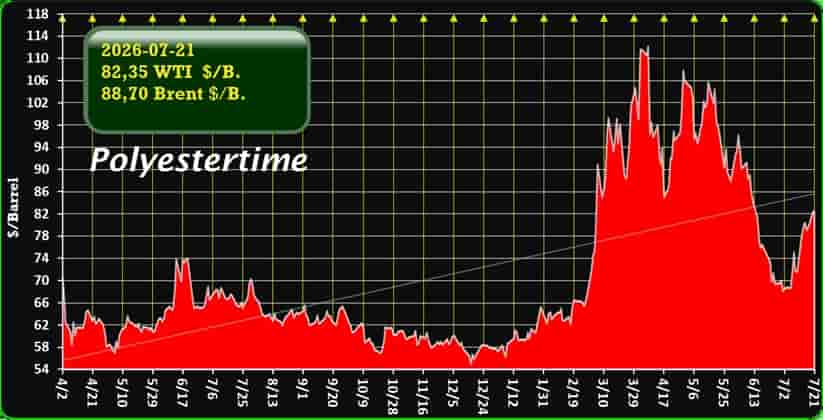
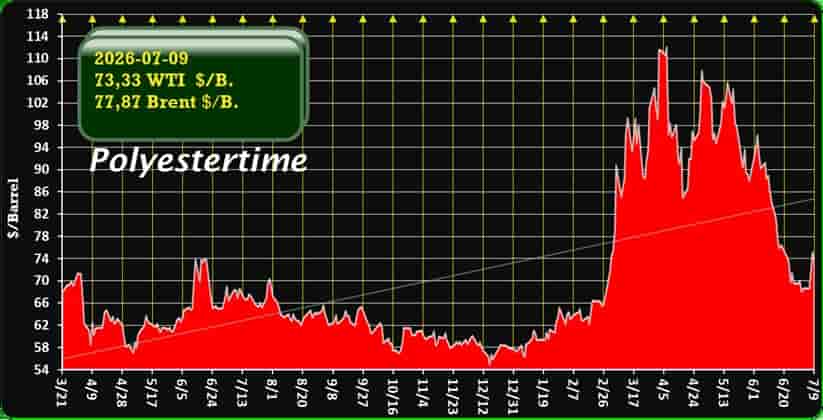
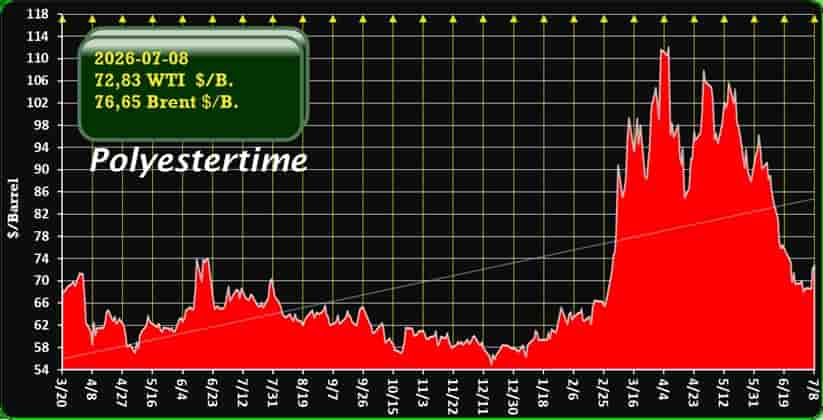
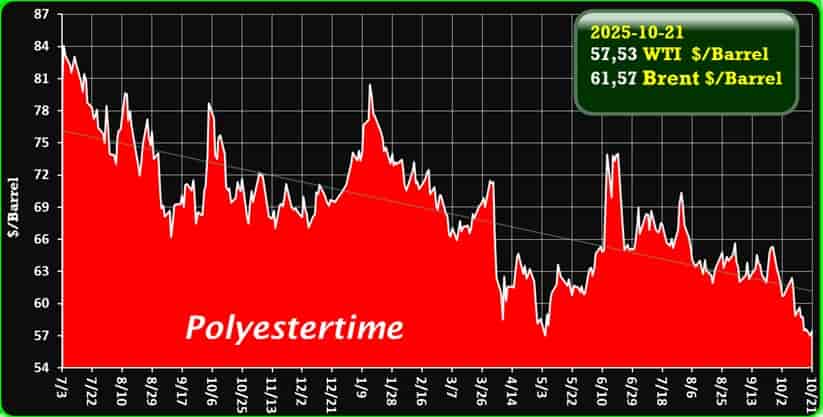
On October 21, 2025, the crude price continued to face downward pressure as global supply worries and demand concerns dominated market sentiment. The key global benchmarks show a modest retreat, illustrating how the market is shifting from a tight-supply narrative toward one of oversupply.
? Current Price Overview
| Benchmark | Price (USD/barrel) | Trend | Notes |
|---|---|---|---|
| Brent Crude | ~US$ 60.84 | ↓ | Second day of decline as oversupply concerns mount. :contentReference[oaicite:0]{index=0} |
| WTI (West Texas Intermediate) | ~US$ 57.22 | ↓ | Falling amid demand-risk fears and storage glut outlook. :contentReference[oaicite:1]{index=1} |
| Crude (TradingEconomics avg) | ~US$ 57.03 | ↓ | Pricing source indicates an ~20 % drop year-to-date. :contentReference[oaicite:2]{index=2} |
This snapshot gives a clear view: the oil price is under pressure, with both major benchmarks near or at multi-month lows.
Why Is the Oil Price Falling?
The drop in the oil price today stems from several inter-linked factors:
- Supply glut worries: The International Energy Agency (IEA) and other analysts warn of a potential global oil surplus of up to ~4 million barrels per day in 2026, as production remains robust. :contentReference[oaicite:4]{index=4}
- Contango-structure in the market: Futures markets are showing that near-term contracts are cheaper than later ones — pointing to weak immediate demand and high inventories. :contentReference[oaicite:5]{index=5}
- Demand risk from trade tensions: Escalating trade frictions between the United States and the People’s Republic of China (the world’s two largest oil consumers) are casting a shadow over global growth and oil-demand expectations. :contentReference[oaicite:8]{index=8}
- High storage levels: Inventory data and tanker-storage metrics signal that excess crude is being parked awaiting better price conditions — another bearish sign. :contentReference[oaicite:9]{index=9}
What Does This Mean for the Market & Consumers?
From a market perspective, the current trend in the oil price suggests increased risk of further downside if supply remains elevated and demand stays weak. Some analysts are already forecasting the Brent benchmark could drift toward the low US$50s per barrel if conditions worsen. :contentReference[oaicite:10]{index=10}
For consumers and countries reliant on oil imports, a lower oil price can offer some relief (for fuel, energy costs) but can also signal broader economic weakness: weaker oil demand often means slower industrial activity and possibly economic slowdown.
Key Takeaways for Investors & Industry Participants
Here are three practical points to watch in this backdrop of a softening oil price:
- Monitor weekly inventory reports (e.g., from the U.S. Energy Information Administration) — rising stocks tend to put additional pressure on the oil price.
- Keep an eye on trade-negotiation developments between the U.S. and China — any easing could boost demand expectations and offer support to the oil price.
- Watch the futures curve structure: if contango persists or deepens, it reflects supply surplus expectations; if backwardation returns, it may signal tightening and potential recovery in the crude price.
Outlook: Where Does the Oil Price Go From Here?
Given current dynamics, the oil price is likely facing a period of consolidation or further decline unless a clear shift occurs in supply or demand trends.
A practical scenario:
- If inventories continue rising and demand growth stays muted, the oil price could dip into the US$50-55/barrel range for WTI and low US$60s for Brent by end of next year.
- If demand surprises to the upside (e.g., due to policy stimulus, weaker trade tensions) and producers agree to deeper cuts, the oil price could stabilize and gradually recover.
Summary
In short: the oil price today remains under pressure thanks to a combination of oversupply concerns, demand weakness and structural market signals like contango. For readers tracking commodities or managing energy-related costs, this is a moment to stay alert — both to major macro factors and to weekly data updates.
We’ll continue to monitor how the oil price evolves and what developments might shift the balance.