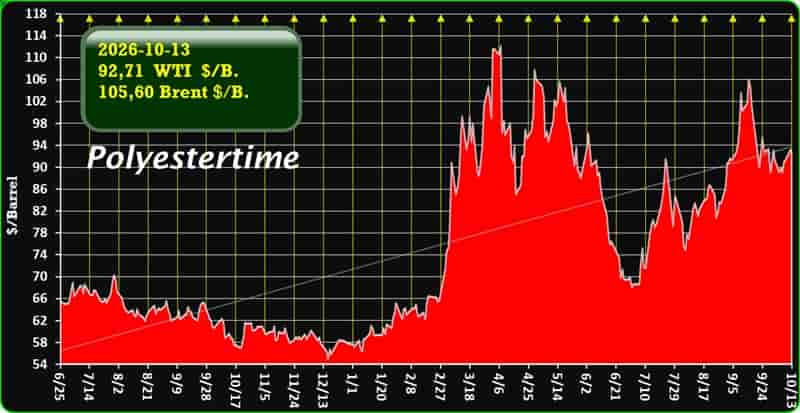
Oil Price Resilience Signals Strategic Global Supply Balance : Brent at ~$69.61 & WTI ~$64.78 on February 11, 2026 Reflect Weak Demand and Market Uncertainty
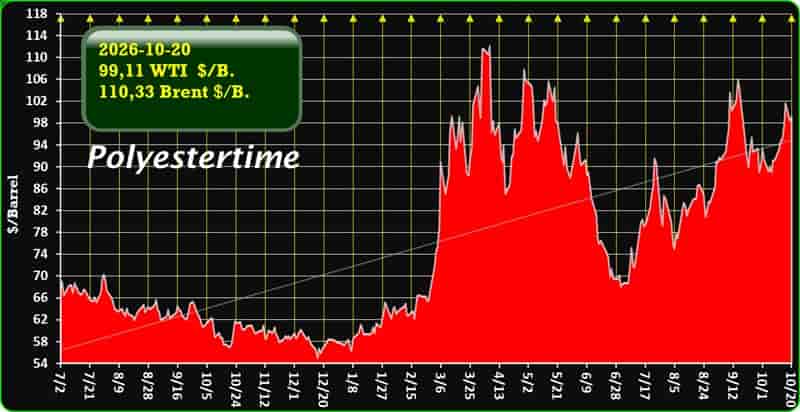
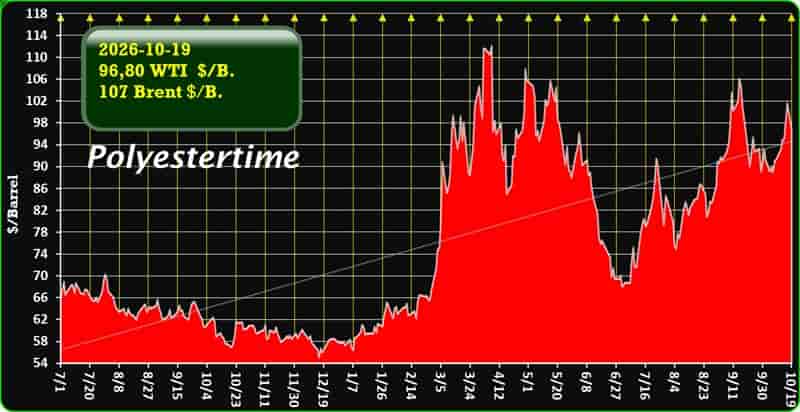
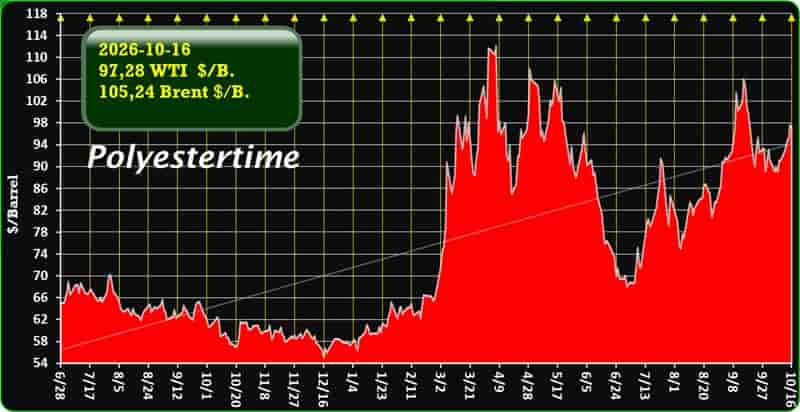
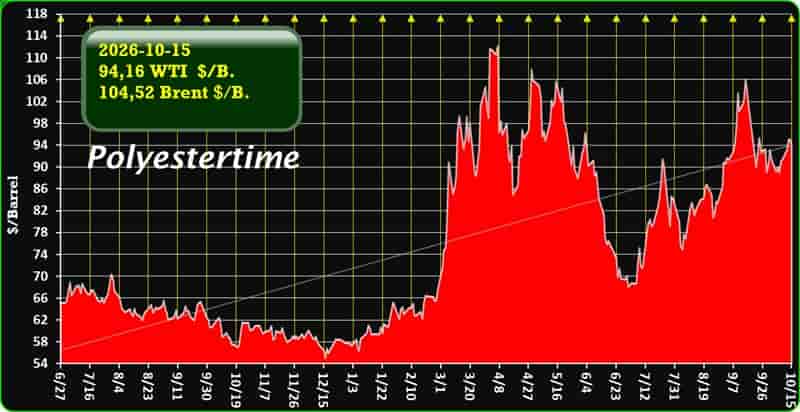
Current Oil Price Landscape — Brent & WTI (Feb 11, 2026)
As of February 11, 2026, global crude benchmarks show modest gains:
-
Brent crude oil: ~$69.61 per barrel
-
WTI (West Texas Intermediate): ~$64.78 per barrel
Recent price data confirms Brent has moved slightly higher in early February, up around 0.7% on the previous session, with prices rising over the past month, though still below year-ago levels.
These levels reflect a moderate rebound from earlier 2026 price weakness but also highlight an environment where oil price momentum is subdued rather than strongly bullish.
Key Factors Shaping Today’s Oil Price Movements
📈 1. Global Supply vs. Demand Balance
Crude supply remains a dominant theme in 2026 oil markets. Multiple independent forecasts suggest global oil production still outpaces demand, pressuring benchmarks.
Data from the U.S. Energy Information Administration (EIA) anticipates rising inventories as production outstrips consumption, pointing to a fundamental reason behind oil price softness in current markets.
🛢️ 2. OPEC+ Strategy & Production Signals
OPEC and its partners (OPEC+) play a crucial role.
-
Recent OPEC reports indicate attempts to balance supply and demand, with some production vigilance into early 2026.
-
However, analysts also highlight concerns over potential oversupply if cuts are not deepened or extended.
This dual signal — discipline on one hand and ample production capacity on the other — keeps markets in a range rather than trending sharply higher.
🌍 3. Geopolitical Developments
Geopolitical tensions, especially in the Middle East, add an ongoing risk premium to prices. Indirect U.S.–Iran talks have triggered short-term oil price reactions, with crude rising and falling on proxy diplomatic progress.
The Strait of Hormuz — a key chokepoint for global oil flows — looms as a structural risk factor: any escalation in this region historically has pushed oil prices upward due to perceived supply threats.
📊 4. Economic Data & Demand Signals
Global economic indicators and industrial data influence oil demand expectations:
-
Slowing growth or signs of weaker energy usage exert downward pressure on oil prices.
-
Conversely, stronger growth indicators in key economies can buoy oil benchmarks.
At present, mixed economic data contribute to the lack of strong directional conviction in oil price movements.
📉 5. Investor Sentiment
Market sentiment among traders and funds appears cautious:
-
Analysts forecast that prices remain under pressure with limited upside unless inventories shrink or demand accelerates significantly.
-
Technical indicators suggest a neutral to slightly bearish bias in oil trading sentiment, with resistance near current price levels.
Together, these factors are reinforcing a view of range-bound oil prices rather than strong breakout trends.
Oil Price Table: Key Benchmarks (as of Feb 11, 2026)
| Metric | Value | Recent Trend |
|---|---|---|
| Brent Crude Oil | ~$69.61/bbl | Slight daily uptick |
| WTI Crude Oil | ~$64.78/bbl | Moderately steady |
| 30-Day Brent Change | +~8.5% | Upward but still below last year |
| 30-Day WTI Change | +~8.0% | Similar trend |
Source: TradingEconomics data, market analysis.
What This Means for Energy Markets & the Global Economy
Moderate oil price stability around $65–$70 per barrel has mixed implications:
🌍 For Consumers
-
Relatively contained energy costs compared with volatile spikes.
-
Helps minimize inflationary pressures derived from fuel and transportation.
🏭 For Producers
-
Lower profitability for high-cost producers may constrain future investment without policy or production shifts.
📦 For Global Trade
-
A balanced or oversupplied crude market may slow spending in energy infrastructure expansion.
-
Price range stability aids operational planning for downstream industries.
Short-Term Outlook: Where Could Oil Prices Head?
Looking ahead in early 2026:
⚖️ Bearish Drivers: Persisting global supply surplus, weak demand growth forecasts, and inventory builds.
📈 Bullish Risks: Geopolitical tensions, shifts in OPEC+ policy, or unexpected supply disruptions.
Scenario analysis suggests oil could remain range-bound or modestly lower unless demand picks up or supply tightens more aggressively than current forecasts suggest.
Final Take
The current oil price environment reflects a complex interplay of supply abundance, subdued demand, cautious investor sentiment, and geopolitical uncertainty. While not signaling imminent steep declines, the market lacks a clear catalyst for a robust breakout. For global markets and energy sectors, this nuanced backdrop demands careful monitoring of production policies, macroeconomic indicators, and geopolitical developments.
More…