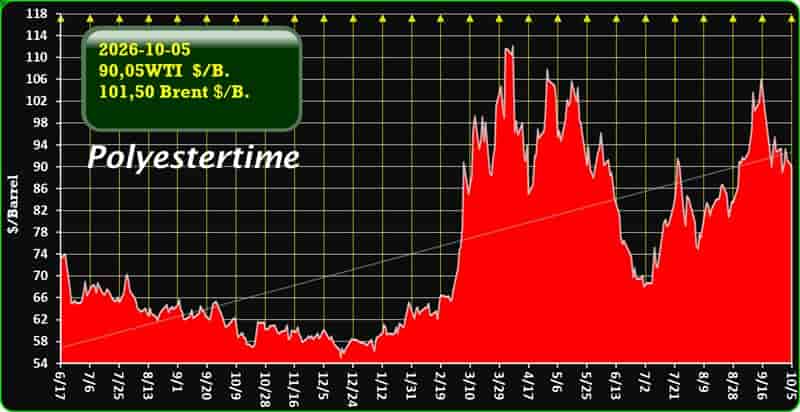
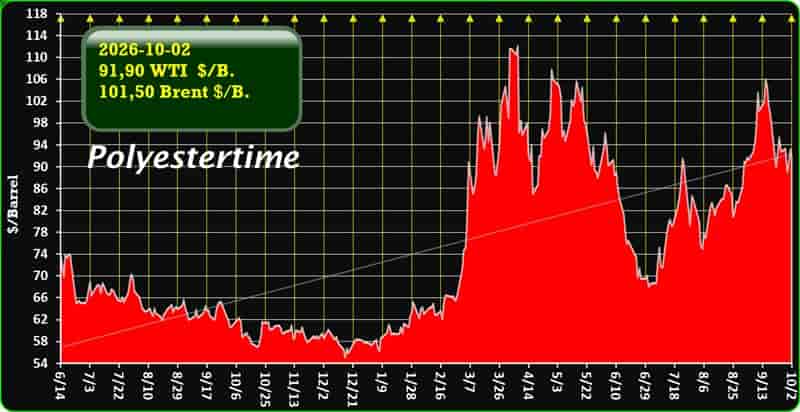
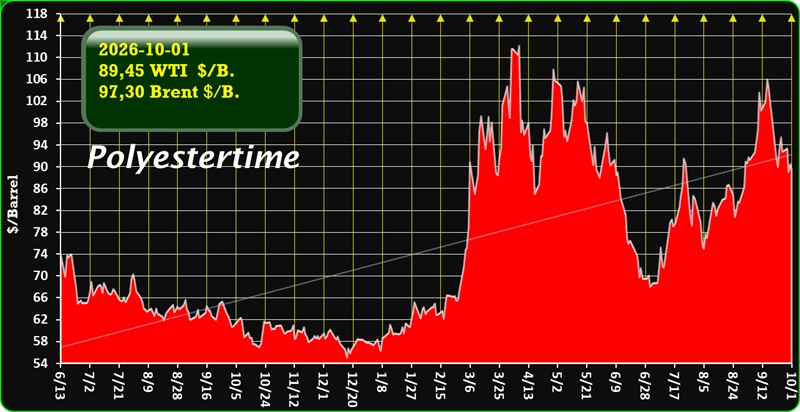
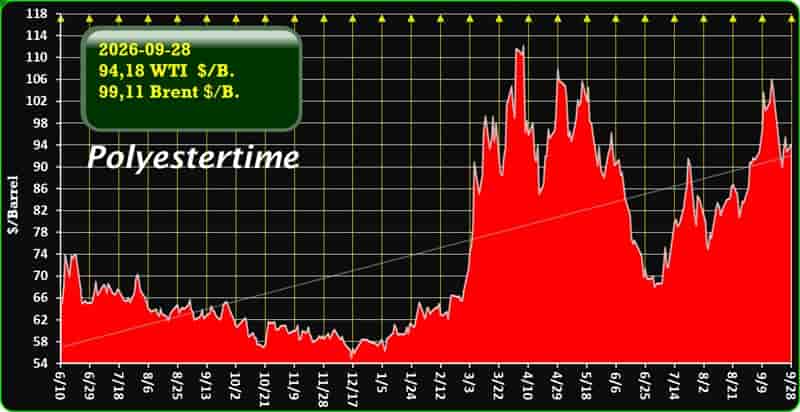
Oil Price Volatility Eases Slightly as Ceasefire Hopes Cool Supply Fears but Markets Remain Tense Amid Global Uncertainty and Demand Signals
Oil Price Trend Today (March 25, 2026)
The oil price remains highly volatile as of March 25, 2026, with benchmark crude prices moving within elevated but unstable ranges:
| Benchmark | Price Range (USD/barrel) | Latest Movement |
|---|---|---|
| Brent Crude | 90 – 100 | Recently dropped below $100 |
| WTI Crude | 85 – 95 | Trading around $87–90 |
Recent sessions saw a sharp crude price correction, with Brent falling more than 5–7% and WTI sliding into the high-$80s. This decline follows a period of intense rally driven by geopolitical risk premiums.
Despite the pullback, the broader crude price trend remains elevated compared to earlier months, reflecting a market still dominated by uncertainty and supply concerns.
Why Oil Prices Fell Sharply
The latest drop in the crude price is largely linked to improving geopolitical sentiment. Markets reacted strongly to signals of a potential ceasefire in the Middle East, particularly involving Iran.
- Diplomatic proposals reduced fears of prolonged supply disruptions
- Temporary pauses in military actions reassured traders
- Expectations of restored oil flows pressured prices downward
This shift triggered a rapid unwinding of the “war premium” that had previously pushed oil prices above $100.
However, this decline does not necessarily indicate a stable market—it reflects how sensitive the oil price remains to headlines and geopolitical developments.
Key Factors Driving the Oil Price Today
1. Geopolitical Risk and Supply Disruptions
Geopolitics remains the dominant force behind the current oil price environment.
- The Strait of Hormuz disruption has constrained global supply flows
- Military escalation and infrastructure attacks have raised supply risks
- Even partial relief (ceasefire hopes) causes immediate price swings
At peak tension, regional crude prices surged far above global benchmarks, highlighting structural supply stress.
2. Global Supply and Demand Imbalance
Beyond geopolitics, fundamentals continue to shape the medium-term oil price outlook.
- Global oil demand is growing but at a slower pace
- Supply from non-OPEC producers (U.S., Brazil, Guyana) is increasing
- Strategic reserves and inventories are cushioning shocks
Recent data shows oil prices still up over 30% year-on-year, indicating strong underlying demand despite volatility.
3. OPEC+ Strategy and Market Control
OPEC+ remains a central actor in determining the crude price trajectory.
- Production cuts have supported prices in recent months
- Future output increases could cap further upside
- The group faces pressure to balance price stability with market share
Any shift in OPEC+ policy could quickly reshape the current price range.
4. Economic Data and Demand Signals
Macroeconomic conditions are increasingly influencing the oil price.
- Inflation concerns linked to energy costs are rising
- Central banks may respond with tighter monetary policy
- High prices risk triggering “demand destruction”
Recent market reactions show that energy costs are already affecting equity markets and consumer expectations.
Investor Sentiment: Cautious and Reactive
Investor sentiment around the oil price is currently mixed:
- Short-term: Bearish reaction to ceasefire optimism
- Medium-term: Bullish due to supply risks
- Long-term: Uncertain due to potential oversupply
Traders are increasingly cautious, reacting quickly to geopolitical headlines while keeping an eye on structural supply-demand dynamics.
This results in a market characterized by:
- High intraday volatility
- Rapid reversals
- Strong sensitivity to news flow
Oil Price Outlook: What Comes Next?
Short-Term Outlook
In the near term, the crude price is expected to remain volatile within the current range:
- Brent: likely between $90 and $105
- WTI: likely between $85 and $95
Key drivers will include:
- Progress (or failure) of ceasefire negotiations
- Stability of Middle East supply routes
- OPEC+ production decisions
Medium-Term Risks
Two opposing scenarios could shape the future oil price trend:
Bullish scenario:
- Escalation in geopolitical tensions
- Continued supply disruptions
- Limited OPEC+ spare capacity
Bearish scenario:
- Ceasefire and normalization of supply
- Rising global production
- Slower economic growth reducing demand
Some forecasts even suggest that structural oversupply could eventually push prices lower once geopolitical risks subside.
What This Means for the Global Economy
The current oil price environment has significant implications:
- Higher energy costs could fuel inflation globally
- Transportation and manufacturing sectors face rising expenses
- Emerging markets may experience increased economic pressure
At the same time, sustained high oil prices benefit energy-exporting countries and oil companies, reinforcing investment in upstream production.
Final Takeaway
The oil price on March 25, 2026 reflects a market caught between geopolitical tension and fundamental supply dynamics. While recent declines suggest easing fears, the underlying risks remain unresolved.
In practical terms:
- The market is not stabilizing—it is recalibrating
- Volatility is likely to persist
- Direction will depend heavily on geopolitical developments
For investors and policymakers alike, the oil price trend remains one of the most critical indicators to watch in the global economic landscape.
Trump Iran Deal Signals 5 Key Shifts That Could Stabilize Oil Markets
More…