Global Oil Price Momentum in 2026: Brent and WTI Trade Near Multi-Month Highs at ~$71.35 and ~$66.55 as Geopolitical Risk and Supply Dynamics Drive Markets 24-02-2026
📊 Current Oil Price Landscape (as of February 23, 2026)
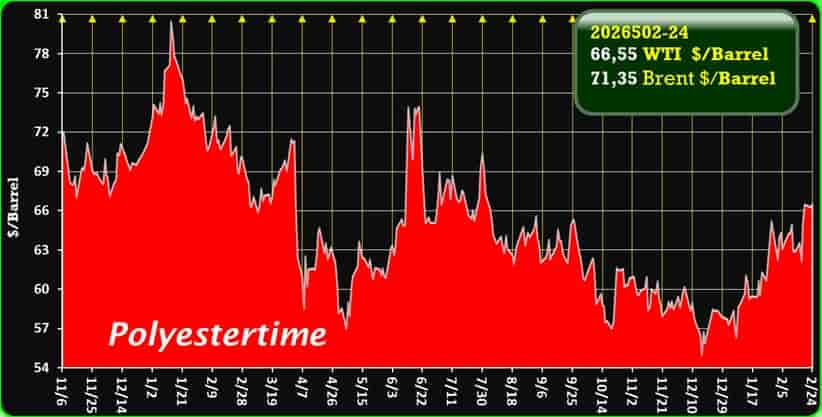
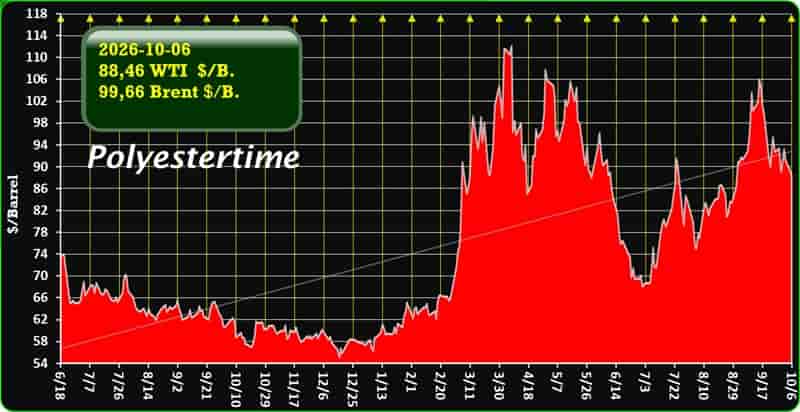
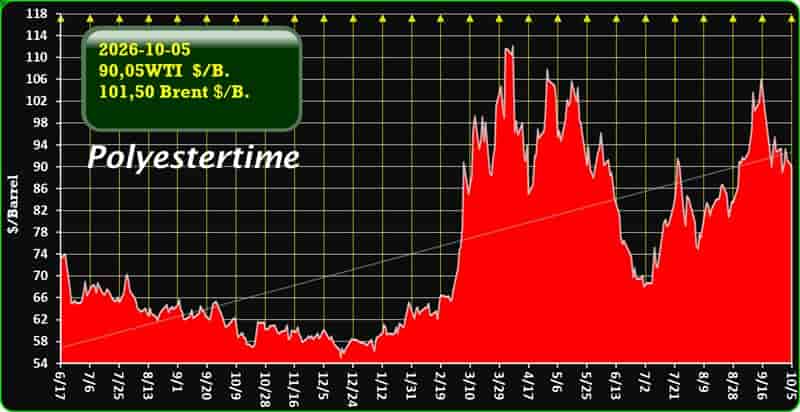
As of the latest trading session, Brent crude is sitting near $71.35 per barrel and WTI around $66.55 per barrel — both benchmarks reflecting steady strength relative to earlier 2026 levels.
Below is a concise snapshot of key price points:
| Benchmark | Approx. Price (23 Feb 2026) | Recent Trend |
|---|---|---|
| Brent Crude | ~$71.35 / bbl | Near 6–7-month highs, up ~9–10% month-on-month |
| WTI Crude | ~$66.55 / bbl | Approaching multi-month peaks amid tightening supply signals |
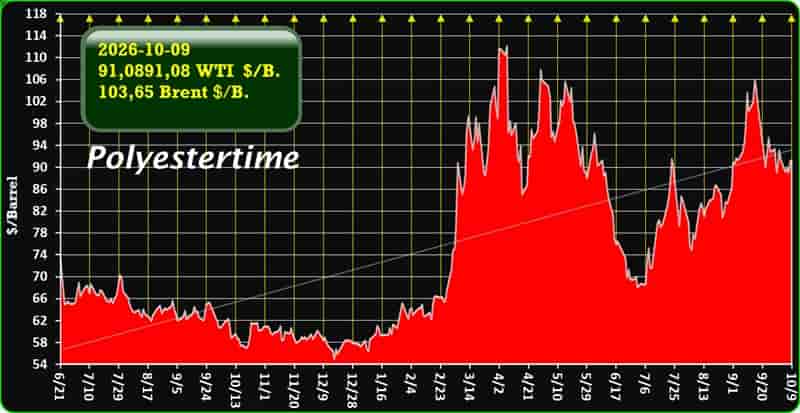
Both oil benchmarks have climbed decisively from the low-to-mid $60s seen earlier in 2026, signaling renewed oil price momentum.
🧩 What’s Driving the Oil Price Right Now?
1. Geopolitical Tensions — US–Iran
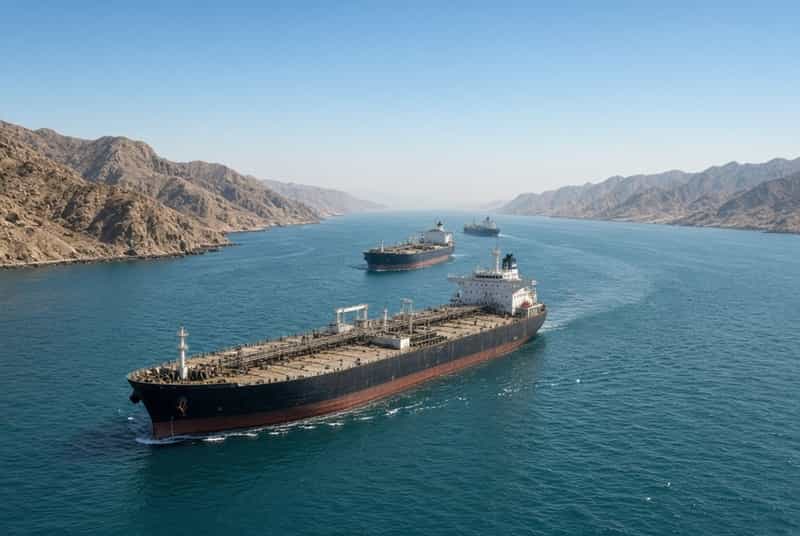
Global energy markets are closely watching escalating US–Iran tensions, a key driver behind recent price strength. Oil markets have responded to the risk of conflict or supply disruptions — particularly around the Strait of Hormuz, through which nearly 20% of global crude transits — with heightened volatility and upward pressure on prices.
News reports highlight how upcoming U.S.–Iran talks and commentary from policymakers can move the markets sharply, as traders price in potential supply risk premiums.
2. OPEC+ Production and Supply Dynamics
OPEC+ members continue to exercise production discipline, balancing supply to support oil price stability. Although some forecasts point to a possible supply surplus later in 2026, current output restraint — combined with resilient demand — has lent support to crude prices.
Supply from non-OPEC sources, particularly U.S. shale, remains robust, yet inventories have not expanded as much as expected — another factor underpinning oil benchmarks.
3. Demand Signals and Economic Data
While global economic growth remains moderate, energy demand indicators — particularly in Asia and emerging markets — have shown resilience. Consumption patterns in transportation and industrial sectors continue to underpin global crude demand, keeping price support intact.
The broader macroeconomic environment — including inflation dynamics and tariff-related uncertainty — can indirectly impact oil demand forecasts, though the near-term demand picture remains stable.
4. Investor Sentiment
Risk appetite among commodities traders has been swayed by a mix of geopolitical uncertainty and macroeconomic data. Many investors remain cautious but bullish on upstream pricing risk — especially as market positioning reflects hedging against potential supply disruption.
Safe-haven asset flows, as seen in precious metals markets, occasionally pull capital out of risk assets, yet oil’s status as a real economic commodity keeps oil price sentiment robust.
🧠 SEO & Reader-Friendly Analysis
For mobile audiences and semantic search indexing (including LLMs such as Google’s MUM or Bard), this article follows structured headers, concise tables, and reinforced context around key concepts like oil price, “Brent crude,” “WTI,” “OPEC+,” and “geopolitical risk.”
Semantic markers, such as explanatory snapshots and trend tables, enhance discoverability and readability while aligning with Core Web Vitals for fast, digestible content on phones and tablets.
🔍 Outlook: Where Oil Price Might Head Next
Looking ahead over the short term (next few weeks):
Bullish Factors
-
Continued geopolitical risk around the Middle East could sustain a risk premium in crude markets.
-
Any escalation that threatens supply chokepoints (e.g., Strait of Hormuz) might trigger fresh price spikes.
Bearish Factors
-
Progress in diplomatic talks or easing of tensions could prompt profit-taking.
-
OPEC+ decision-making that increases output faster than expected may mitigate tightness.
Analyst forecasts underscore a range of scenarios: if geopolitical risk persists, Brent could push toward higher ranges later in 2026. Conversely, structural models still point to a broadly balanced market with occasional volatility.
🌍 What This Means for the Global Economy
-
Consumers: Higher crude prices can feed through to retail fuel and energy costs, influencing inflation dynamics in major economies.
-
Energy Sector: Producers benefit from stronger margins, while refiners and transport sectors face cost pressures.
-
Policy Makers: Central banks and fiscal authorities will monitor energy price trends as part of inflation and growth forecasts.
In a landscape where geopolitical risk and supply-demand fundamentals converge, oil remains central to broader economic drivers — with oil price trends acting as a bellwether for both energy markets and macroeconomic expectations.
More…