Oil Prices Drop Sharply as 5 Key Shifts Reshape Global Energy Markets
Oil prices decline after Iraq-Kurdistan pipeline agreement
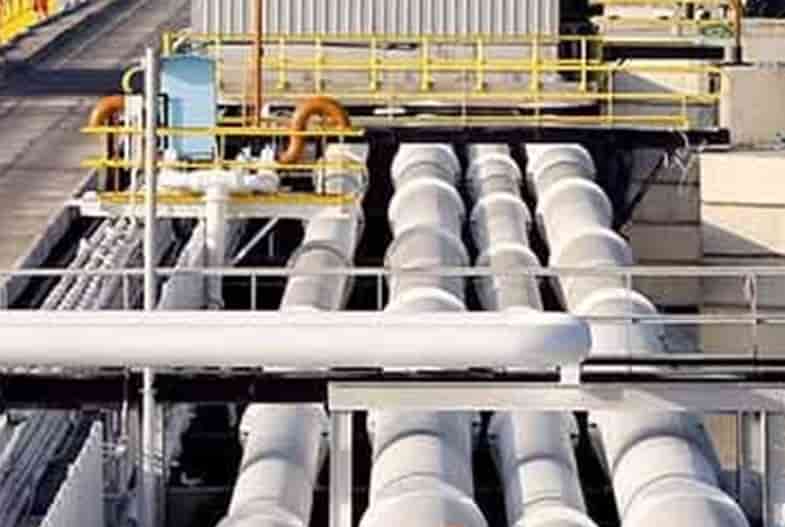
Oil prices moved lower following a significant agreement between Iraq and Kurdish authorities to resume crude exports through Turkey. This development allows shipments to bypass the strategically critical Strait of Hormuz, a chokepoint that has recently disrupted global supply chains.
The agreement marks an important step toward stabilizing exports from northern Iraq. However, while the deal has helped ease immediate supply concerns, oil prices remain under pressure due to broader geopolitical uncertainty and reduced production levels.
The rerouting through the Turkish port of Ceyhan offers a partial solution, but it does not fully compensate for the disruption caused by the closure of Hormuz. As a result, oil prices reacted negatively in early trading, reflecting cautious optimism rather than a full recovery in market confidence.
Market reaction shows volatility across Brent and WTI benchmarks
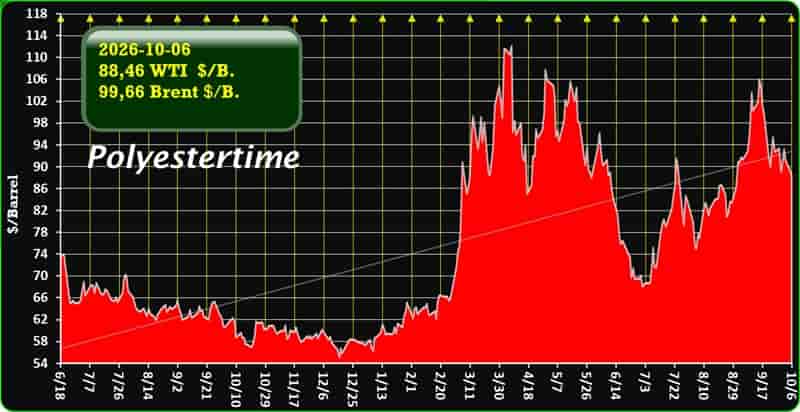
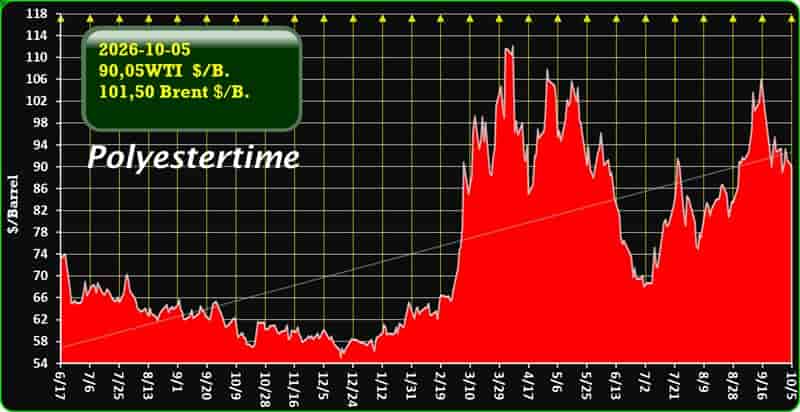
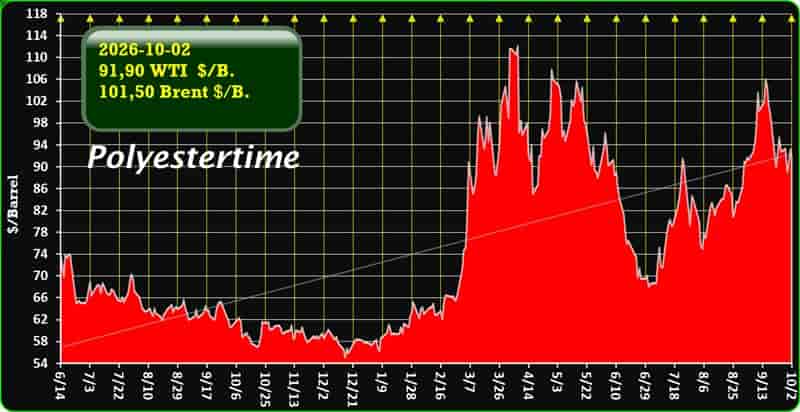
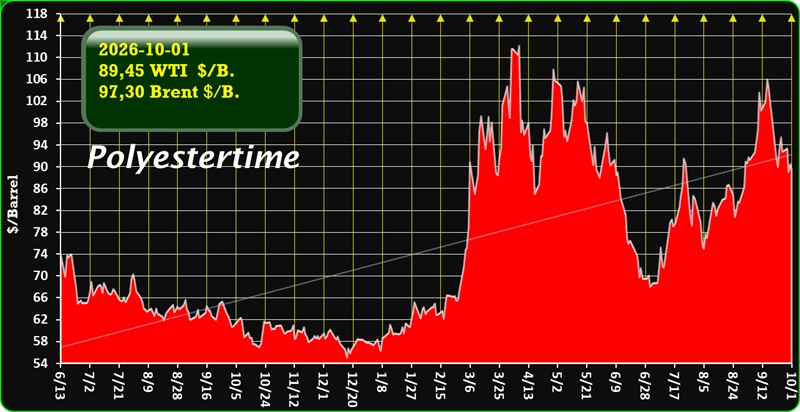
Oil prices saw notable declines across major benchmarks. Brent crude for May delivery dropped by 2.8%, falling below the $101 per barrel threshold after a strong rally the previous day. Meanwhile, West Texas Intermediate recorded an even sharper decline, with April contracts falling over 4%.
The most actively traded WTI contract for May also declined significantly, reinforcing the bearish sentiment in the market. Despite these drops, oil prices remain elevated compared to earlier in the year, highlighting the lingering impact of geopolitical tensions.
The recent surge in oil prices, which saw Brent gain nearly 70% year-to-date, underscores how sensitive the market is to geopolitical developments. Even modest signs of supply recovery can trigger sharp corrections, as traders reassess risk premiums.
Production constraints limit the impact on global supply
While the pipeline agreement is a positive step, its impact on global supply remains limited. Iraq’s current production stands at approximately 1.3 to 1.4 million barrels per day, significantly below the pre-crisis level of 4.3 million barrels per day.
Exports through the northern pipeline are expected to include between 150,000 and 200,000 barrels per day from Kirkuk, along with around 210,000 barrels per day from Kurdistan. These volumes, although meaningful, are insufficient to fully offset the supply shortfall caused by ongoing disruptions.
As a result, oil prices continue to reflect a constrained supply environment. The market remains tight, and any additional disruptions could quickly reverse the current downward trend.
Geopolitical tensions continue to influence oil prices
Geopolitics remains a dominant factor shaping oil prices. Despite some signs of de-escalation, military activity involving the United States, Israel, and Iran continues to create uncertainty.
Recent developments include targeted strikes on Iranian infrastructure and escalating tensions in the Gulf region. The reported killing of a senior Iranian security figure has added another layer of complexity, with analysts divided on whether this will stabilize or further destabilize the situation.
At the same time, political signals suggest a potential easing of tension. A shift in diplomatic posture from key global actors has raised hopes that the conflict may not escalate further. This perception has contributed to improved market sentiment, putting downward pressure on oil prices.
However, the situation remains highly fluid. Any escalation, particularly involving critical infrastructure such as export hubs or shipping routes, could quickly drive oil prices higher again.
Impact on inflation and central bank policy
The recent volatility in oil prices has significant implications for global inflation and monetary policy. In the United States, diesel prices have surged past $5 per gallon, highlighting the direct impact on consumers and businesses.
Central banks are closely monitoring these developments as they assess inflationary pressures. Energy costs play a crucial role in shaping overall price levels, and sustained high oil prices could complicate efforts to stabilize inflation.
The Federal Reserve and other major central banks are expected to factor these dynamics into their policy decisions. While no immediate rate changes are anticipated, the trajectory of oil prices will remain a key variable in future economic planning.
Outlook: oil prices likely to remain elevated despite short-term decline
Despite the recent drop, oil prices are expected to remain within a relatively high range. Analysts suggest that Brent crude could stabilize between $95 and $110 per barrel in the near term.
This outlook reflects ongoing supply constraints, geopolitical risks, and the potential for further disruptions. Even with the resumption of exports through Turkey, the market is far from fully balanced.
Additional risks include potential attacks on critical infrastructure, refinery incidents, or renewed tensions in the Strait of Hormuz. Any of these factors could push oil prices higher, reinforcing the current volatility.
In this context, the recent decline should be viewed as a temporary adjustment rather than a long-term trend reversal. Oil prices will continue to be driven by a complex interplay of supply dynamics, geopolitical developments, and macroeconomic factors.
Conclusion: a fragile balance defines the current energy landscape
The latest movements in oil prices highlight the fragile balance in global energy markets. While the Iraq-Kurdistan agreement provides a partial solution to supply disruptions, it does not eliminate the underlying risks.
Oil prices remain highly sensitive to geopolitical developments, production levels, and policy decisions. As a result, market participants should expect continued volatility in the coming weeks and months.
Understanding these dynamics is essential for navigating the evolving energy landscape, where even small shifts can have significant implications for oil prices and the global economy.
More…