Oil Prices Today: US-Iran Tensions, China and Russia’s Strategic Role, and What It Means for Global Markets
Oil Prices Today: Why the Global Market Is Watching the US-Iran Crisis
Oil prices today remain highly sensitive to geopolitical developments in the Middle East. The ongoing tensions between the United States and Iran are creating uncertainty across global energy markets, while China and Russia continue to play major strategic roles in oil supply, trade, and diplomacy.
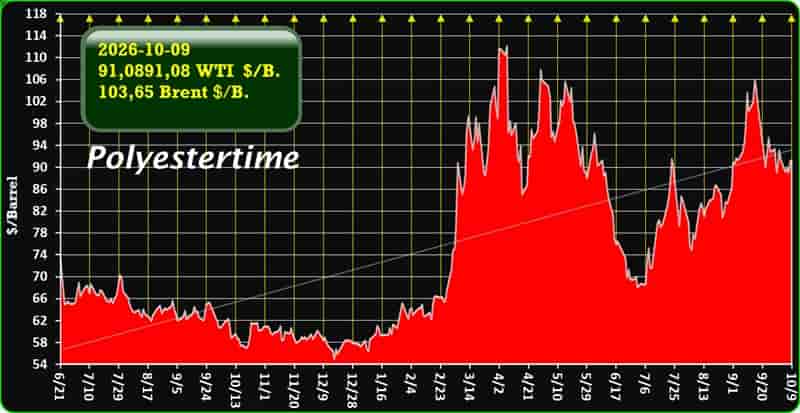
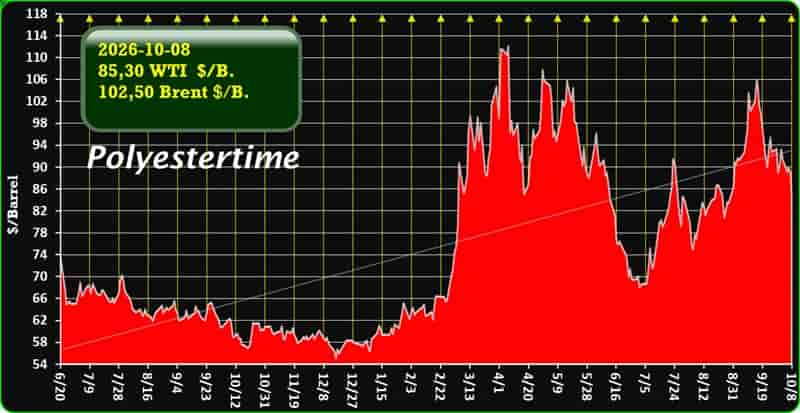
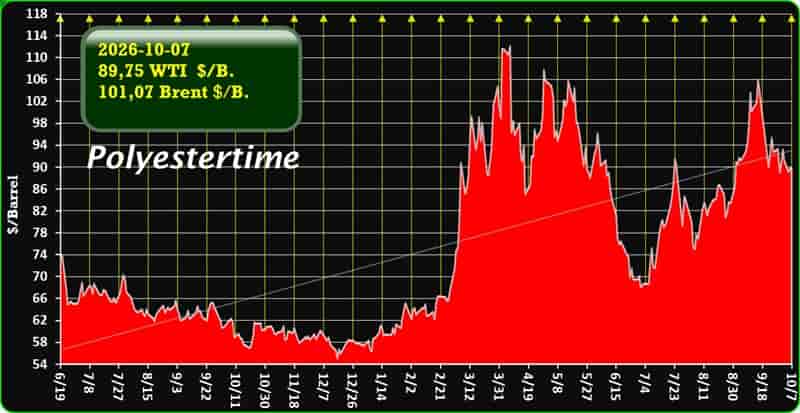
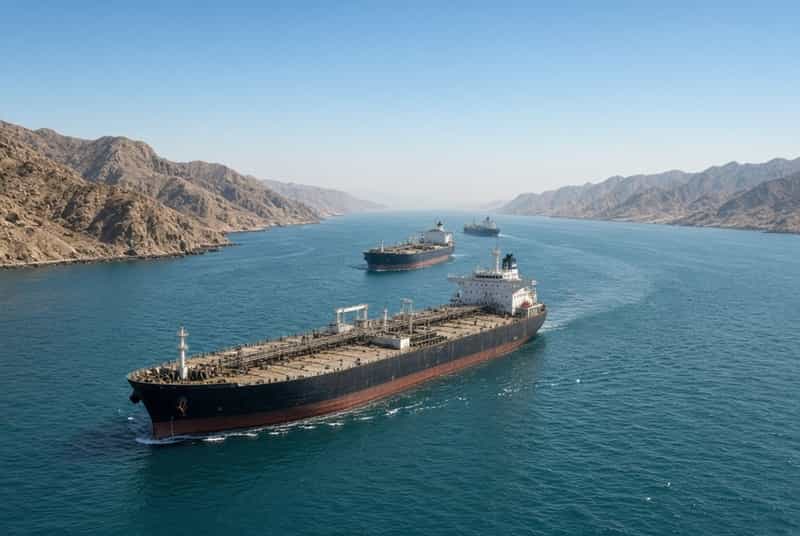
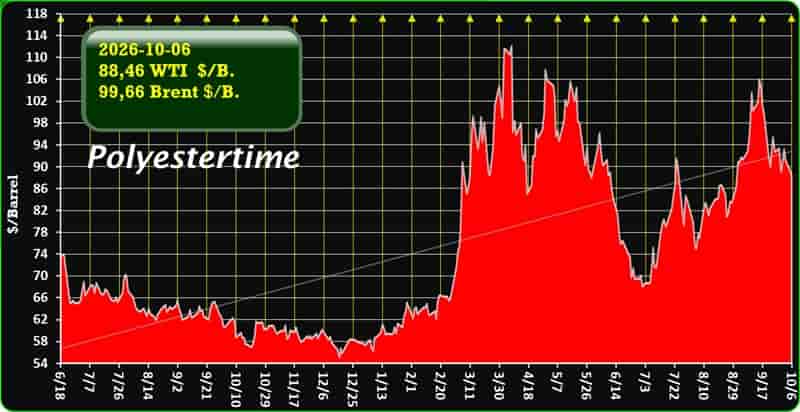
Brent crude prices recently traded above $100 per barrel as markets reacted to fears of supply disruptions and instability around the Strait of Hormuz, one of the world’s most important oil transit routes.
For consumers, rising oil prices can translate into higher fuel costs, inflation, and increased transportation expenses. For governments and investors, the situation has become a major test of energy security and geopolitical influence.
Why US-Iran Tensions Affect Oil Prices
The relationship between the United States and Iran has long influenced global oil markets. Iran controls strategic access near the Strait of Hormuz, a critical shipping corridor through which a significant portion of the world’s oil supply passes.
Any escalation involving sanctions, military action, or shipping disruptions can rapidly reduce market confidence and push oil prices higher. Analysts have warned that prolonged instability could tighten global inventories and increase volatility across commodity markets.
Recent reports show that fears of supply shortages have already caused strong reactions in Brent crude and West Texas Intermediate (WTI) prices.
The Strategic Role of China
China remains one of the world’s largest energy consumers and a key buyer of Iranian oil. Despite international sanctions, Beijing continues to maintain economic relations with Tehran, making China an important factor in the stability of Iran’s oil revenues.
Reports indicate that China imports a substantial share of Iran’s exported crude oil through indirect trade networks and independent refineries.
At the same time, China has attempted to position itself as a diplomatic actor by encouraging regional stability and avoiding a wider conflict. Analysts believe Beijing wants to protect its long-term energy supply chains while maintaining influence in the Middle East.
China’s strategy appears focused on balancing three priorities:
- Securing affordable energy imports
- Avoiding direct military involvement
- Expanding geopolitical influence through diplomacy and trade
This careful approach allows China to remain economically connected to Iran while reducing the risk of direct confrontation with the United States.
Russia’s Position in the Oil Market Crisis
Russia also plays a central role in the current energy landscape. As one of the world’s leading oil exporters, Moscow benefits financially when global oil prices rise.
Higher crude prices can increase Russian energy revenues, especially during periods of market instability. Several analysts have noted that Russia may gain economically from prolonged disruptions affecting Middle Eastern supply routes.
Russia and Iran have strengthened cooperation in recent years through energy partnerships, military coordination, and shared opposition to Western sanctions. However, Russia has also shown caution, avoiding direct escalation that could destabilize its own economic interests.
The Kremlin’s broader strategy appears to focus on:
- Preserving influence in global energy markets
- Supporting strategic alliances without direct conflict
- Leveraging high oil prices to strengthen economic resilience
How Oil Prices Impact the Global Economy
When oil prices rise sharply, the effects extend far beyond the energy sector.
Higher fuel costs can increase inflation, reduce consumer spending power, and pressure central banks to keep interest rates elevated. According to energy market forecasts, continued supply disruptions could create additional strain on global economic growth.
Industries most affected include:
- Transportation
- Manufacturing
- Aviation
- Logistics
- Agriculture
For households, sustained increases in oil prices often result in higher gasoline prices and rising living costs.
What Investors and Businesses Are Watching
Markets are now focused on several critical developments:
Stability in the Strait of Hormuz
Any disruption to shipping traffic could rapidly increase oil prices worldwide.
US and China Diplomatic Relations
Meetings between Washington and Beijing are being closely monitored because China remains deeply connected to Iranian oil trade.
Global Oil Inventories
Recent data from the US Energy Information Administration shows inventories tightening while exports continue to rise.
Future Sanctions and Supply Policies
Additional sanctions on Iranian exports or Russian energy flows could significantly reshape the market balance.
Could Oil Prices Continue Rising?
Energy analysts remain divided.
Some forecasts suggest oil prices could gradually stabilize if shipping routes reopen and geopolitical tensions ease. Others warn that prolonged instability could keep Brent crude above $100 per barrel for an extended period.
The market remains highly reactive to diplomatic developments, military activity, and inventory data.
Final Analysis
Oil prices today are no longer influenced only by supply and demand fundamentals. Geopolitics, strategic alliances, sanctions, and global power competition now shape the direction of the energy market every day.
The United States and Iran remain at the center of current tensions, while China and Russia continue to influence both the political and economic balance of the global oil trade.
For investors, businesses, and consumers, the coming months could remain highly volatile as markets respond to every major geopolitical development.
Oil Price Trend and the US-Iran War: What the Latest Market Signals Mean for Global Energy
More…