Oil Prices Surge as US-Iran Conflict Threatens Global Energy Markets
Why Brent and WTI Prices Are Rising
Oil Prices and US-Iran War
Oil Prices Surge as the US-Iran Conflict Shakes Global Markets
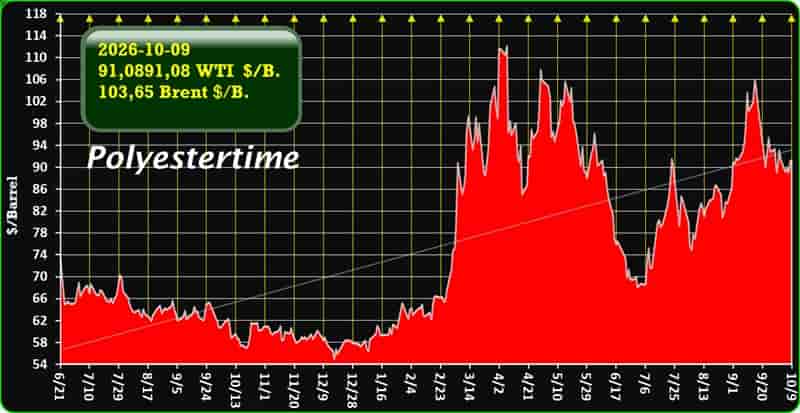
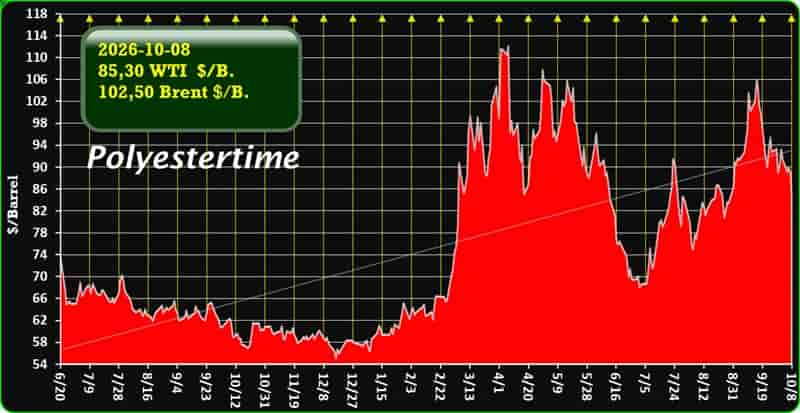
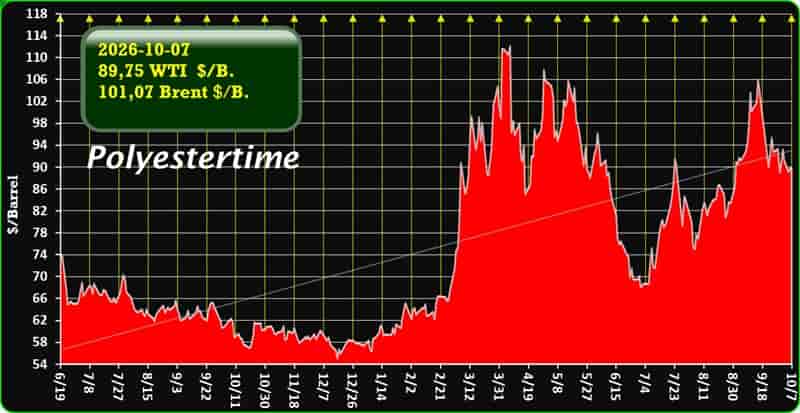
Global oil markets are once again under intense pressure as escalating tensions between the United States and Iran continue to disrupt energy supply expectations. Brent crude is currently trading near $106 per barrel, while West Texas Intermediate (WTI) remains close to $99 per barrel. These levels reflect a significant geopolitical risk premium that traders are adding to the market amid fears of prolonged instability in the Middle East.
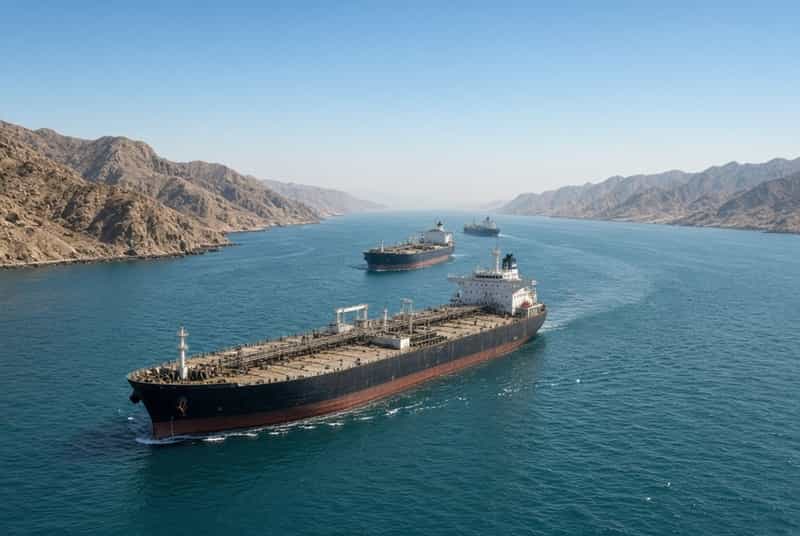
The biggest concern for investors and governments remains the Strait of Hormuz, one of the world’s most critical oil shipping routes. Roughly one-fifth of globally traded oil passes through this narrow corridor, making any disruption a direct threat to global energy security.
Why Oil Prices Are Rising
The recent increase in oil prices is being driven by several overlapping factors.
First, markets fear additional supply disruptions linked to the ongoing US-Iran conflict. Shipping traffic through the Strait of Hormuz has faced interruptions, while insurers and tanker operators remain cautious about operating in the region.
Second, global oil inventories are falling quickly. According to recent international energy data, strategic reserves and commercial stockpiles are being used to stabilize supply shortages. The United States recently recorded one of the largest oil stock drawdowns in years as demand for alternative crude supplies increased.
Third, market volatility has intensified because diplomatic negotiations between Washington and Tehran remain fragile. Even temporary optimism around possible ceasefire agreements has failed to remove uncertainty from energy markets.
Brent vs WTI: Understanding the Current Gap
Brent crude and WTI are the two main international oil benchmarks, but they respond differently to geopolitical crises.
Brent crude is more directly tied to global maritime trade, especially shipments moving through the Middle East and Europe. Because of that exposure, Brent has climbed faster and currently trades above $106 per barrel.
WTI, the American benchmark, remains slightly lower near $99 because US domestic production and inventories partially cushion supply shocks. However, the spread between Brent and WTI has widened as traders price in higher risks for international exports.
The Strait of Hormuz Remains the Core Risk
The oil market’s biggest vulnerability continues to be the Strait of Hormuz.
Any prolonged disruption could remove millions of barrels per day from global supply chains. Analysts from major financial institutions warn that if shipping restrictions intensify or military activity expands, Brent crude could move toward $120 or even $130 per barrel.
Even if a diplomatic solution emerges, experts believe that supply chains and tanker traffic may take months to fully normalize. Shipping insurers, freight operators, and refiners are already adapting to a higher-risk environment. Oil Prices and US-Iran War
Inflation Risks Are Returning
Higher oil prices are not only an energy story. They also create broader economic risks.
When crude prices rise sharply, transportation, manufacturing, logistics, and consumer fuel costs all increase. This can reignite inflation at a time when many central banks are still trying to stabilize prices after recent economic turbulence.
Financial markets are already reacting. Bond yields have climbed in recent weeks as investors worry that persistent energy inflation could delay interest-rate cuts or even force central banks to tighten monetary policy again.
Consumers may also begin to feel the impact through higher gasoline and diesel prices during the summer travel season.
Could Oil Prices Go Even Higher?
The answer depends almost entirely on geopolitics.
If negotiations between the United States and Iran deteriorate further, or if disruptions in the Strait of Hormuz expand, oil markets could experience another major price spike. Several investment banks and energy analysts now project Brent crude could remain between $95 and $115 for much of 2026 under current conditions.
On the other hand, any credible peace agreement or reopening of major shipping routes could quickly reduce the geopolitical premium currently built into oil prices. That would likely push Brent and WTI lower in the short term.
What This Means for the Global Economy
The world economy is entering a period of renewed energy uncertainty.
Import-dependent economies in Europe and Asia remain especially vulnerable to higher crude prices and shipping disruptions. Industries with heavy fuel consumption, including aviation, transportation, and manufacturing, are already facing rising operational costs.
Meanwhile, oil-exporting countries and energy companies may benefit from elevated prices in the short term. However, sustained geopolitical instability could ultimately slow global growth and weaken demand over time.
For now, markets remain highly sensitive to every development surrounding the US-Iran conflict.
Final Outlook
Brent crude near $106 and WTI around $99 clearly show that oil traders are pricing in serious geopolitical risk. The future direction of energy markets will largely depend on whether tensions between the United States and Iran escalate further or move toward a diplomatic resolution.
Until there is greater clarity around the Strait of Hormuz and Middle East stability, volatility is likely to remain elevated across global oil markets. Investors, policymakers, and consumers should prepare for continued uncertainty in energy prices over the coming months.
Sources
- International Energy Agency (IEA)
- Reuters
- Anadolu Agency
- Business Standard
- MarketWatch
Oil Prices Surge as US-Iran Tensions Escalate: Brent Above $110 and WTI Over $103
More…