Oil Prices and the US-Iran War: Why Brent Near $83 and WTI Near $80 Still Signal Market Risk
Oil prices US Iran war
Oil Prices and the US-Iran War: Why Brent Near $83 and WTI Near $80 Still Signal Market Risk
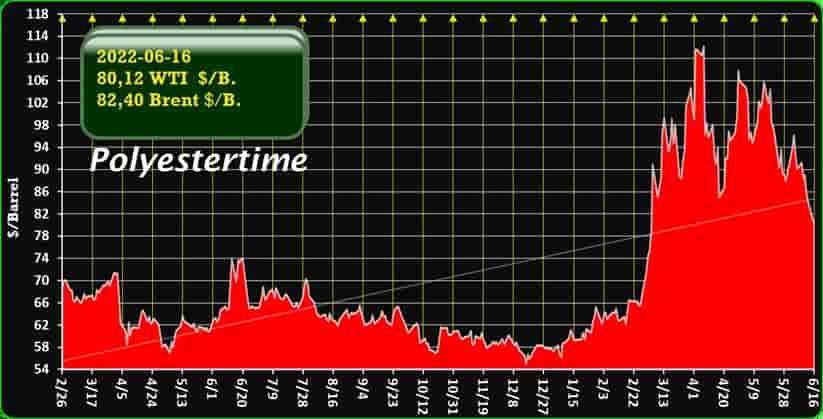
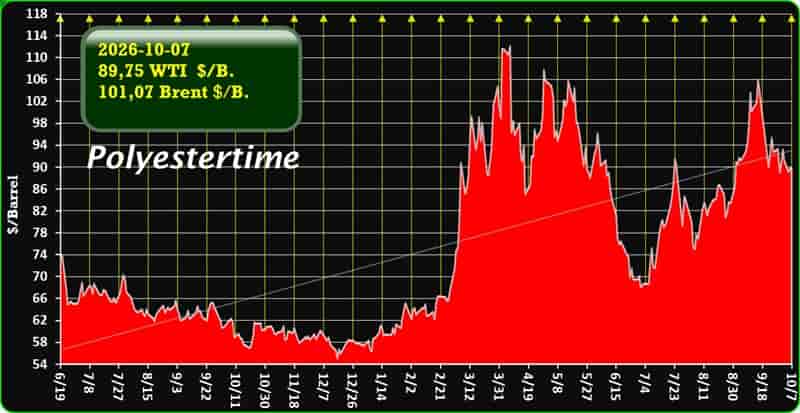
Oil prices have moved sharply lower after the latest signs of de-escalation between the United States and Iran, with Brent crude trading around $83 per barrel and WTI near $80 per barrel. For consumers, investors and industrial buyers, that looks like relief after weeks of extreme volatility.
But the market is not back to normal.
The drop in crude prices reflects renewed expectations that oil flows through the Strait of Hormuz could improve. It also shows that traders are reducing part of the war premium that had pushed energy prices higher during the conflict. However, the situation remains fragile. A ceasefire or political agreement can calm markets quickly, but restoring confidence in shipping routes, insurance coverage, refinery supply chains and emergency inventories can take much longer.
Key Takeaways
Brent crude is currently trading around $83 per barrel, while WTI is around $80 per barrel.
Oil prices have fallen because markets are reacting to hopes of US-Iran de-escalation and improved energy flows.
The Strait of Hormuz remains the central risk factor for global crude oil and liquefied natural gas trade.
Prices may stay volatile even if diplomatic progress continues.
Lower oil prices could ease inflation pressure, but fuel prices may take longer to fall for consumers.
Why Oil Prices Fell
Oil markets are extremely sensitive to geopolitical risk, especially when the Middle East is involved. The recent decline in Brent and WTI suggests that traders are no longer pricing in the worst-case scenario of a prolonged disruption to Gulf energy exports.
During periods of military escalation, oil prices often rise because buyers fear supply interruptions. When tensions ease, that risk premium can come out of the market quickly.
That is what appears to be happening now.
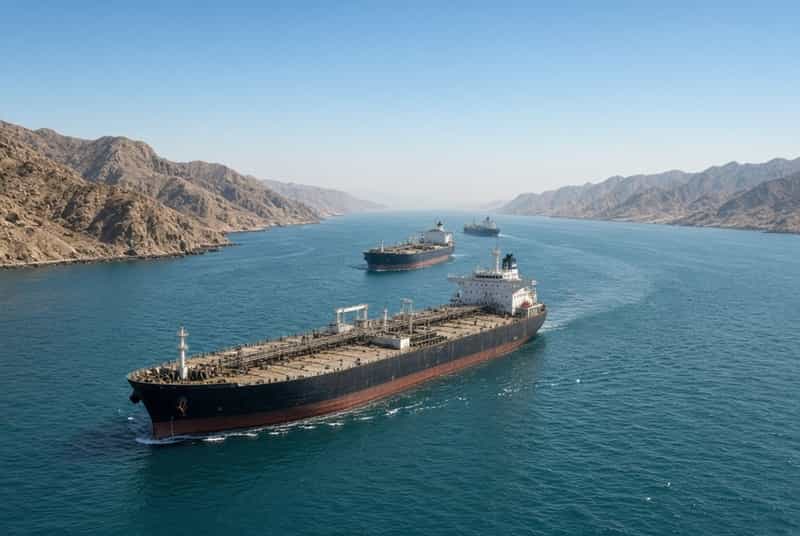
The market is reacting to the possibility that oil tankers will face fewer obstacles moving through the Strait of Hormuz, one of the world’s most important energy corridors. If oil flows normalize, buyers may no longer need to pay extra for emergency supply, alternative shipping routes or immediate delivery.
Still, the price reaction should not be confused with full market stability. Oil prices can fall quickly on diplomatic headlines and rise just as quickly if the agreement weakens, shipping incidents resume or regional actors reject the terms of de-escalation. oil prices US Iran war
Why the Strait of Hormuz Matters
The Strait of Hormuz is a narrow maritime passage between Iran and Oman. It connects the Persian Gulf with global energy markets and is one of the most important chokepoints in the oil trade.
When the Strait is open and secure, oil can move more freely from major Gulf producers to Asia, Europe and other global markets. When the Strait is threatened, traders immediately reassess supply risk.
That is why the US-Iran conflict has had such a powerful effect on oil prices.
Even a partial disruption can affect tanker availability, maritime insurance premiums, freight costs and refinery planning. It can also force importers to draw down inventories or look for replacement barrels from other regions. These adjustments are expensive, and the cost is often reflected in higher crude prices.
Brent Near $83 and WTI Near $80: What the Spread Tells Us
Brent is the global benchmark for crude oil, while WTI is the main US benchmark. Brent usually trades at a premium to WTI because it reflects international seaborne crude markets more directly.
With Brent near $83 and WTI near $80, the spread remains relatively narrow but meaningful. It suggests that global supply concerns are still present, even though the immediate panic has cooled.
The current price level also tells us something important: oil has not collapsed back to a low-risk environment. Instead, the market is repricing from crisis conditions to cautious optimism.
In other words, traders are saying that the worst risks may have eased, but they have not disappeared.
What Could Push Oil Prices Higher Again?
Oil prices could rise again if the US-Iran agreement loses credibility or if the Strait of Hormuz remains difficult to navigate. Markets will closely watch several risk factors.
The first is physical supply. If exports from the Gulf do not recover as quickly as expected, prices could remain supported.
The second is shipping security. Even if diplomatic language improves, tanker operators and insurers need practical evidence that routes are safe.
The third is inventory pressure. If countries or companies have drawn down emergency stocks during the conflict, they may need to rebuild inventories. That buying can support prices even after the initial crisis fades.
The fourth is political uncertainty. Any renewed military strike, sanctions escalation, proxy conflict or diplomatic breakdown could reintroduce a war premium.
For that reason, Brent at $83 should not be viewed as a final price floor or ceiling. It is a snapshot of a market that is still reacting to fast-moving events.
What Could Push Oil Prices Lower?
Oil prices could move lower if the de-escalation becomes durable and oil flows through the Strait of Hormuz normalize faster than expected.
A credible reopening of maritime routes would reduce the need for emergency pricing. It would also calm refiners, shipping companies and major importers.
Prices could also weaken if global demand softens. If economic growth slows in major consuming regions, oil buyers may become less aggressive even as supply improves.
Another bearish factor would be coordinated action by energy agencies or producing countries to increase available supply. If markets believe there is enough crude to cover demand, geopolitical risk becomes less powerful as a price driver.
However, a major decline from current levels would likely require more than headlines. Traders would need evidence of stable flows, lower shipping costs and reduced military risk.
What This Means for Inflation and Fuel Prices
Lower crude oil prices can help reduce inflation pressure, especially in transport, logistics, chemicals and manufacturing. Energy is a major input cost across the global economy, so a fall in crude prices can improve business confidence.
But consumers should not expect fuel prices to fall immediately.
Retail gasoline and diesel prices often lag crude oil movements. Refining margins, taxes, distribution costs, local inventories and currency exchange rates all influence the final price at the pump.
This means that Brent moving toward $83 and WTI near $80 is positive for consumers, but the effect may arrive gradually. If geopolitical risk returns, the benefit could disappear before it is fully reflected in retail fuel prices.
Impact on Industry and Global Trade
The oil price decline is especially important for energy-intensive industries. Airlines, shipping companies, chemical producers, plastics manufacturers and logistics operators all benefit when crude and fuel prices fall.
For global trade, the situation is more complex.
Lower oil prices reduce transport costs, but uncertainty around the Strait of Hormuz can still disrupt planning. Companies may continue to pay higher insurance premiums or hold larger inventories until the route is considered fully secure.
This is why the market may remain cautious even after a diplomatic breakthrough. The price of crude can fall in one day, but supply-chain confidence often takes longer to rebuild.
The Main Scenario: Relief, Not Normality
The most realistic interpretation of today’s oil market is relief, not normality.
Brent around $83 and WTI around $80 show that traders are no longer pricing in the most extreme supply-disruption scenario. But prices remain high enough to reflect unresolved geopolitical risk.
A stable diplomatic path could bring further downside for crude. A renewed escalation could quickly reverse the decline.
For now, the oil market is balancing three forces: hope for de-escalation, concern about physical supply and uncertainty over how quickly the Strait of Hormuz can return to normal operations.
Outlook for Oil Prices
In the short term, volatility is likely to remain elevated. Traders will focus on diplomatic statements, tanker movements, insurance rates, inventory data and official supply reports.
If the US-Iran situation continues to improve, Brent could face downward pressure. If the agreement weakens or shipping remains constrained, prices could rebound.
The key point is that oil prices are no longer moving only on traditional supply and demand. They are being shaped by geopolitics, maritime security and confidence in global energy infrastructure.
That makes the current market difficult to forecast and highly sensitive to news.
Final Analysis
Oil prices have fallen because the market sees a lower probability of a severe, prolonged energy shock. Brent near $83 and WTI near $80 are clear signs of relief after weeks of conflict-driven volatility.
But the US-Iran situation remains central to the outlook.
As long as the Strait of Hormuz remains a potential flashpoint, oil markets will continue to price in geopolitical risk. The latest decline is important, but it does not mean the crisis is fully over.
For investors, businesses and consumers, the message is clear: lower prices are welcome, but the oil market remains vulnerable to sudden reversals.
The next decisive signal will not come only from political announcements. It will come from actual energy flows, shipping security, inventory rebuilding and the durability of the US-Iran de-escalation.
US-Iran War and Oil Prices: Brent at $93, WTI Near $90
More…