Pigment dispersion – Recycled plastic 04-02-2022 - Archive
Pigment dispersion – Recycled plastic
-China-Russia trade hits a record high of over $140 bn
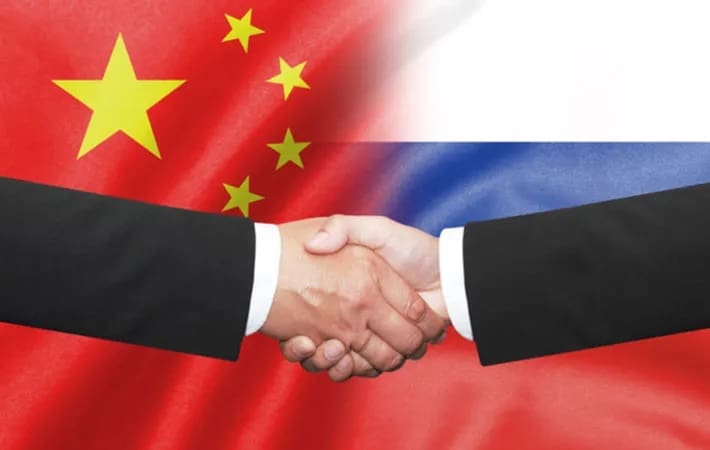
China-Russia trade reached $146.8 billion, exceeding the $140-billion mark for the first time in 2021, with exports to Russia growing steadily for six consecutive years, according to data from China’s general administration of customs. Russian ambassador to China Andrey Denisov recently said the rising prices of some key tradable commodities—30 per cent of total exports—were the major growth drivers.
China’s exports to Russia reached $67.6 billion with a year-on-year rise of 33.8 per cent, while its imports topped $79.3 billion worth of goods—up by 37.5 per cent compared with 2020 figures, according to a report in a Chinese state-controlled newspaper. Pigment dispersion – Recycled plastic
Russia continues to maintain its position as China’s top source of energy imports which totaled 334.3 billion yuan ($52.5 billion) in 2021, an increase of 47.4 per cent, accounting for 65.3 per cent of China’s total imports from the country.
Among them, imports of crude oil reached 260.2 billion yuan ($41.1 billion), an increase of 35.6 per cent while imports of coal topped 46.5 billion yuan ($7.2 billion) and natural gas 27.7 billion yuan ($4.3 billion). Imports of coal and natural gas from Russia went up by 148.7 per cent and 70.5 per cent respectively.
China significantly increased its imports of some Russian agricultural products such as rapeseed oil and beef with a year-on-year increase of 56 and 210 per cent respectively.
Meanwhile, China also consolidated its advantages to export electromechanical products to Russia. In 2021, China exported 268.5 billion yuan ($42.4 billion) worth of electromechanical goods to Russia, an increase of 32.5 per cent compared with 2020, accounting for 61.5 per cent of the total value of Chinese exports to Russia in 2021. Pigment dispersion – Recycled plastic
-TotalEnergies partners with Berry to use recycled plastic in food packaging
TotalEnergies will supply Berry with certified circular polymers from advanced recycling to make the packaging more circular and divert waste from landfills.
Berry Global Group Inc., based in Evansville, Indiana, and TotalEnergies, Paris, have announced a collaboration to make food packaging more circular and divert waste from landfills. TotalEnergies will supply Berry with certified circular polymers obtained through advanced recycling of postconsumer plastic waste that is otherwise hard to recycle, allowing Berry to use more recycled plastic in its food and beverage packaging as well as health care products. Pigment dispersion – Recycled plastic
TotalEnergies portfolio of polyethylene, polypropylene and polystyrene is available as certified material from advanced recycling through the processing of circular feedstock in Antwerp’s steam cracker. The company says its certified circular polymers exhibit virgin-like properties suitable for high-end, demanding applications. Feedstock from hard-to-recycle plastic waste will be produced in TotalEnergies’ advanced recycling plant starting in 2023 on a future zero-crude platform in Grandpuits, France, the company says.
“This collaboration with our longtime partner Berry Global demonstrates the willingness of the supply chain to make packaging more circular and sustainable, especially for demanding food contact applications where no other circularity solution exists,” says Valerie Goff, senior vice president, polymers, at TotalEnergies, adding that the partnership paves the way for the company’s ambition to produce 30 percent recycled and renewable polymers by 2030.
Berry says it plans to broaden access to valuable, ISCC Plus-certified advanced recycled materials to European-based customers in collaboration with TotalEnergies, whose certified circular polymers follow the ISCC Plus certification scheme that secures the chain of custody and traceability along the value chain from feedstock to final product. Pigment dispersion – Recycled plastic
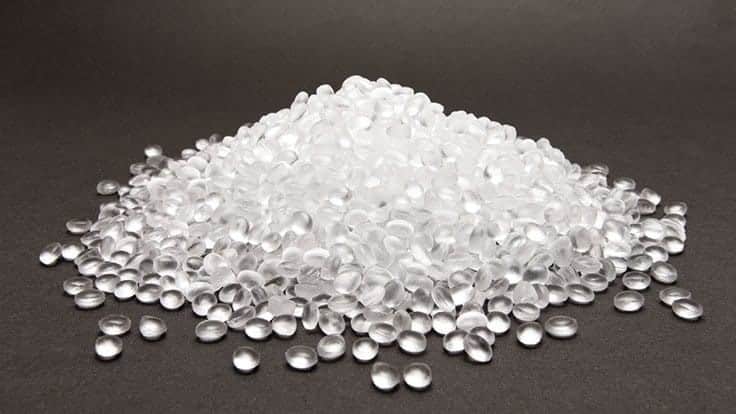
-Euratex warns high energy costs undermine decarbonisation for apparel sector
The European Apparel and Textile Confederation (Euratex) is warning the current energy crisis is impacting the competitiveness of the European textile and apparel industry. Pigment dispersion – Recycled plastic
Euratex has issued a warning that due to limited alternatives to the use of gas in different parts of the production process, production costs are set to increase sharply and has asked the European Commission and member states to support the industry to avoid company closures.
The industry needs a safe supply with sufficient green energy (electricity and gas) at internationally competitive prices, Euratex says, and EU-policy should support solutions such as targeted subsidies for hydrogen, energy grids, research and development, and technology roadmap studies.
The warning sits alongside Euratex’s new white paper called ‘Ten Steps Towards Climate Neutrality, which was presented to Kadri Simson, European commissioner for energy. The paper outlines the steps Euratex says are necessary for its long-term vision – to move towards climate neutrality while keeping the textile and clothing industry internationally competitive. Pigment dispersion – Recycled plastic
Euratex explains the textile and apparel industry, which employs 1.47m workers and with over EUR53bn (US$59.7bn) of exports, is an essential part of many local economies across many EU regions.
The paper states that over the past 20 years the European textile industry has reduced its fossil fuel-based energy intensity by more than 60% and is committed to further decarbonise. However, a further transformation to a low-carbon textile industry will largely depend on new breakthrough technologies for the existing processes.
This transformation needs to be considered in a broader global environment, the paper goes on to explain, in which the European textile industry operates and solutions have to be found which take into account the international competitiveness of the industry. Pigment dispersion – Recycled plastic
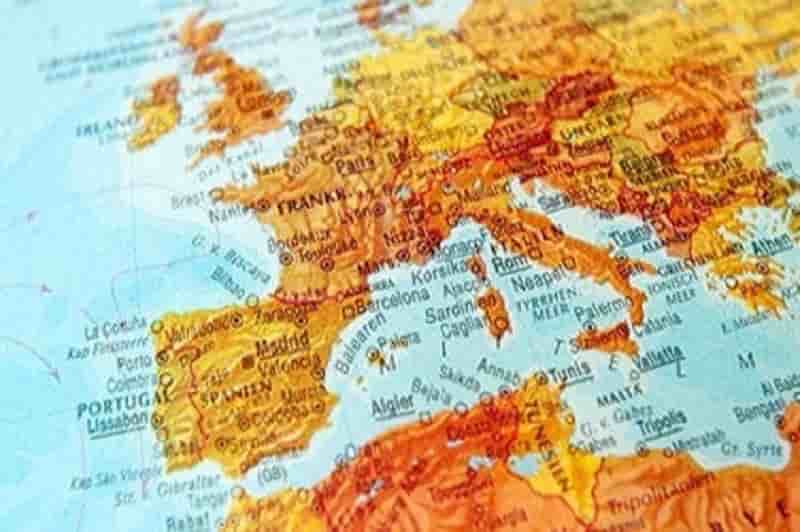
-Euro Outlook Bearish on Russia-Ukraine Tensions. Crude Oil, Swiss Franc to Rise?
EURO, SWISS FRANC, EUR/CHF OUTLOOK, RUSSIA-UKRAINE TENSIONS – TALKING POINTS
- The Euro is vulnerable to a rapid selloff if Russia-Ukraine tensions continue to escalate
- Swiss Franc could rise; political risks may put premium on Europe’s anti-risk currency
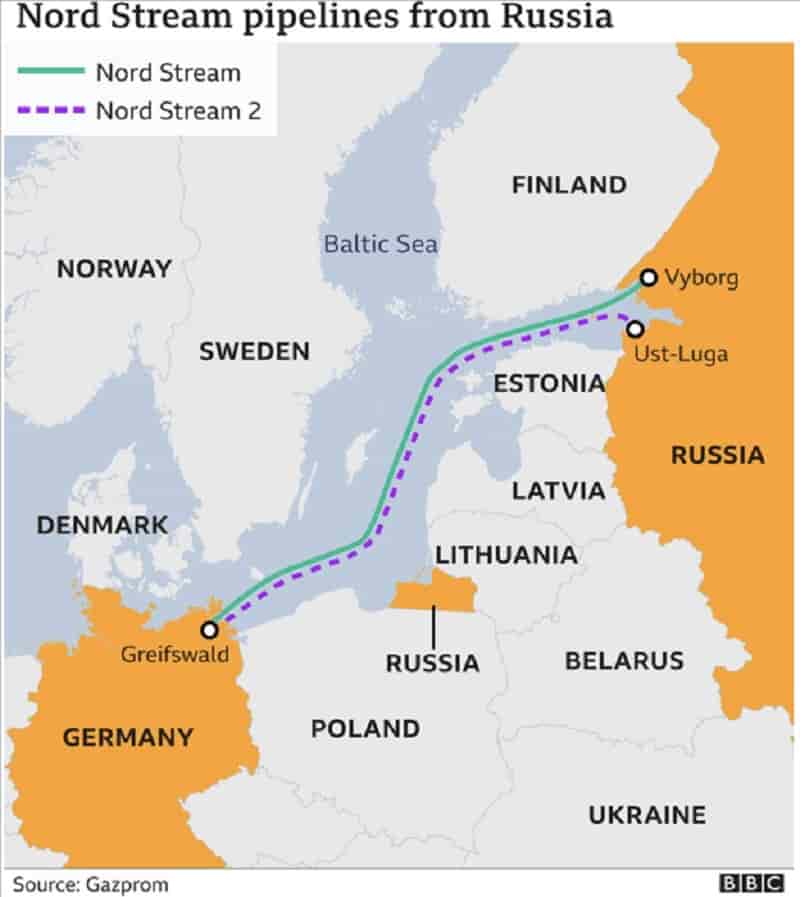
- Nord Stream 2 pipeline is a key political lever. Could sanctions push oil prices higher?
The Euro could suffer if tensions between Russia and the Ukraine boil over and destabilize European politics and economic dynamics. Local equity markets would likely undergo a selling bout, though certain stocks could get a bump. The anti-risk Swiss Franc, on the other hand, may rise amid the instability, as it frequently has during periods of European political turbulence. Pigment dispersion – Recycled plastic
Natural gas and crude oil prices may ride the wave of politically-induced supply disruptions if economic sanctions are put in place against Russia. This would buttress what has been an increasingly-bullish outlook for these key inputs amid revived global demand. What then are the political variables that could support or derail this outlook for the Euro, Swiss Franc, and crude oil?
PLAYING WITH FIRE: NORD STREAM 2
The Nord Stream 2 pipeline continues to be a political and economic wedge between the US and its European allies. For Washington, there is concern that it could give Moscow undue leverage over Germany’s economy (the so-called “steam engine of Europe”) and that of the region as a whole. As a result, it could make European foreign policy towards Russia softer and weaken US endeavors.
On the other hand, Germany and Europe as a whole continue to wrestle with soaring energy prices. If approved, the Nord Stream 2 pipeline would supply 55 billion cubic meters of gas to Germany each year and drive down prices amid an otherwise broadly inflationary trend. These competing priorities form the basis for tensions between Russia, the US, and Europe. Pigment dispersion – Recycled plastic
Poland and the Ukraine are also expressing unease about missing out on collecting transit fees from allowing Russian gas to flow through their territories. According to the Congressional Research Service, prior to the completion of Nord Stream 1, “about 80% of Russia’s natural gas exports to Europe transited Ukraine. In 2019, about 45% of these exports transited Ukraine”.
While the pipeline is complete, operational certification has not yet been issued. Having said that, analysts expect regulators to approve a license between March and July of 2022. Washington has openly said it could leverage sanctions against Russia if Moscow sends troops over Ukraine’s border, and some of them target Nord Stream 2:
“Section 232 of the Countering Russian Influence in Europe and Eurasia Act of 2017 (CRIEEA, P.L. 115-44, Title II) authorizes sanctions on those who invest at least $1 million, or $5 million over 12 months, or provide goods, services, or support valued at the same amount for the construction of Russian energy export pipelines (22 U.S.C. §9526)” – CRS.
US sanctions could trigger counter-measures by Russia in the form of restricted supply of gas and oil, potentially causing a spike in energy prices and further fanning the flames of inflation. According to Kevin Book, the managing director at ClearView Energy Partners, Russia’s vast resources mean it can “dig a bigger hole in supply than the West can plug”. Pigment dispersion – Recycled plastic
EURO OUTLOOK SHAKY ON UKRAINE TENSION
As for the Euro, a conflict between the US and Russia over Ukraine with Europe involved could cause selling pressure to swell. A military confrontation of any kind between the two would itself dampen risk appetite globally, but the conflict’s regional proximity could exacerbate a selloff in local assets, such as the Euro.
-Braskem Invests in Nexus Circular to Accelerate Advanced Recycling of Plastics
Braskem S.A, the largest polyolefins producer in the Americas, as well as a market leader and pioneer producer of biopolymers on an industrial scale, today announced its investment in Nexus Circular LLC (“Nexus”), a commercial leader in advanced recycling that converts landfill-bound plastics into circular feedstocks used in the production of sustainable virgin plastics. Pigment dispersion – Recycled plastic
Mark Nikolich, CEO, Braskem America, stated, “At Braskem we have a clear, long-term vision which is committed to a Carbon Neutral Circular Economy where nothing is wasted, and everything is transformed. A critical element of achieving this vision is investing in pathways that advance the circular conversion of hard-to-recycle plastic waste to valuable new materials, diverting it from landfills and improving our environmental footprint. Nexus shares our vision for accelerating the commercialization of advanced recycling with their own proprietary innovations and we couldn’t be more excited to be a new investor in their journey.”
Eric Hartz, President and Co-Founder at Nexus Circular said, “We are so pleased to have Braskem join Nexus’ advanced recycling endeavors and receive their support to accelerate our impact and growth worldwide.”
Using a proprietary advanced recycling technology, Nexus converts a range of hard-to-recycle plastics especially landfill bound plastic films into its circular feedstocks which can then be converted back into virgin plastics (fully circular). Nexus has optimized the technology to create a highly efficient and economic system providing cost-effective, superior quality and environmentally friendly products for its partners and customers. Pigment dispersion – Recycled plastic
Today’s investment in Nexus is one component of Braskem’s strategy to drive plastics circularity, which includes projects aimed at recycling infrastructure, mechanical recycling, and advanced recycling – all of which are critical to meeting Braskem’s and our clients’ ESG commitments in the years to come. In addition to the expansion of Braskem’s recycled product portfolio in 2021, Braskem is also a founding member of the Alliance to End Plastic Waste, The Recycling Partnership’s Polypropylene Recycling Coalition and Cyclyx.
Braskem is strongly committed to a Carbon Neutral Circular Economy where nothing is wasted, and everything is transformed. To support this vision for the future Braskem has clearly stated targets for growing the company’s recycled content product portfolio to sales of 300,000 tons by 2025 and 1 million tons by 2030. Braskem’ transition to a circular economy is deeply rooted in mechanical and advanced recycling solutions. Pigment dispersion – Recycled plastic
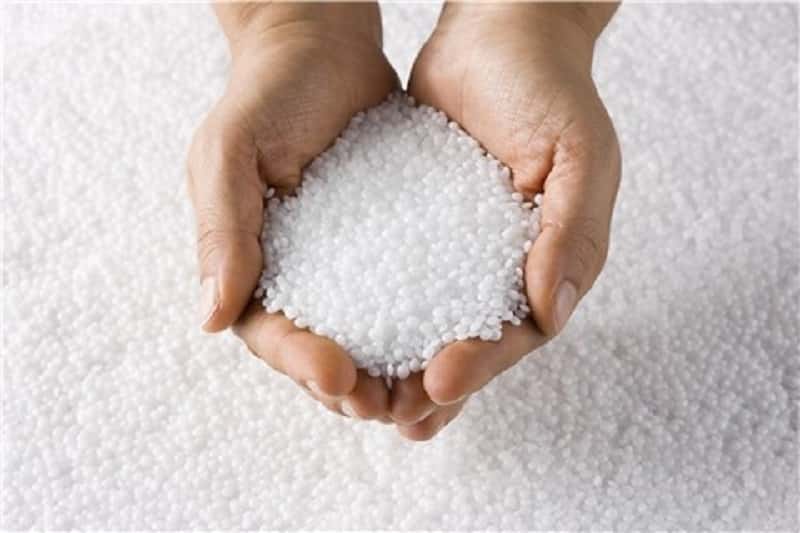
-American Colors buys Italian pigment dispersion maker Colorifico
The deal expands American Colors’ footprint into Europe.
In a move that gives it a footprint in Europe, liquid colourant supplier American Colors Inc. has acquired Colorificio Migliavacca srl of Bergamo, Italy, for an undisclosed price. Pigment dispersion – Recycled plastic
Sandusky, Ohio-based American Colors makes liquid colourants and specialty chemicals for paints, coatings, adhesives, composites, films, and agriculture. Colorifico is a pigment dispersion maker that’s been in business for more than 110 years. In a news release, American Colors officials said that Colorifco “is recognized for producing difficult pigment dispersions”.
“We have been searching for the right partner in Europe and we have found that in Colorificio Migliavacca,” James Oram Wible, co-founder and chairman of the board of American Colors, said. “The addition of Colorificio Migliavacca will enable [us] to service our customers on a worldwide basis, adding to our operations in the United States and Asia.” Pigment dispersion – Recycled plastic
Colorifco’s strategic location is a “fundamental part” of American Color’s expansion strategy to support and gain market presence in Europe, the news release said.

Pigment dispersion – Recycled plastic