Recycled Polypropylene – “Integra’s Powerful Shift to rPP” 04-10-2025
Recycled Polypropylene
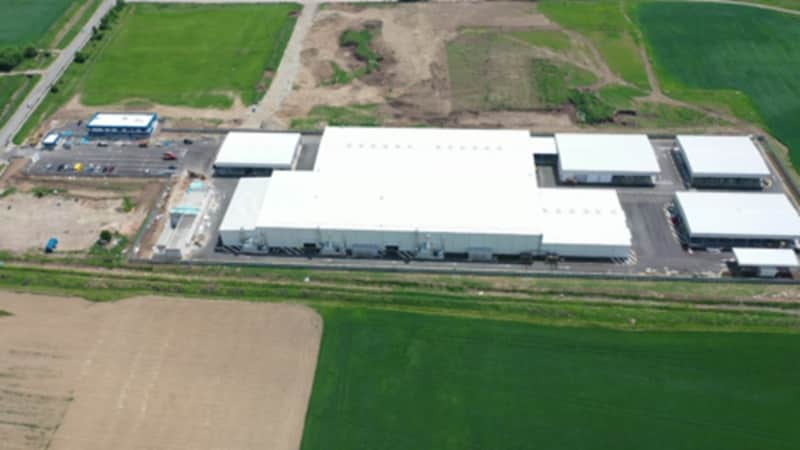
Integra Plastics AD, the Bulgarian recycler acquired by Borealis in 2024, is shifting its production strategy from recycled low-density polyethylene (rLDPE) to premium recycled polypropylene (rPP). This transition leverages Borcycle M mechanical recycling technology and supports Europe’s evolving regulatory framework for plastics and packaging.
Introduction
Plastics recycling in Europe is undergoing a transformation, driven by new regulatory requirements and increasing consumer and industrial demand for high-quality recycled materials. Integra Plastics AD, based in Bulgaria, is at the forefront of this change. Following its acquisition by Borealis, a global leader in advanced polyolefins and circular economy solutions, Integra has announced a major shift in its production strategy.
Recycled Polypropylene
The company will transition from producing recycled LDPE to premium recycled PP (rPP) using Borealis’ proprietary Borcycle M technology. This move not only strengthens Borealis’ recycling portfolio but also aligns with the growing demand for sustainable materials in Europe’s packaging, mobility, and appliance industries.
Why the Shift from rLDPE to rPP Matters
Recycled LDPE (rLDPE) has traditionally been used in lower-value applications such as trash bags or simple films. However, its limitations in quality and mechanical strength have constrained its broader adoption in high-performance markets. By contrast, recycled polypropylene (rPP) offers significantly better properties, making it suitable for demanding sectors such as:
- Food and consumer packaging, where strength, safety, and recyclability are crucial.
- Automotive components, requiring high durability and compliance with end-of-life standards.
- Household appliances, which demand heat resistance and structural reliability.
This transition reflects both market pull and regulatory push. As Europe moves toward stricter circular economy policies, rPP is emerging as a cornerstone material for sustainable manufacturing.
Borcycle M Technology Explained
Recycled Polypropylene
Borealis’ Borcycle M technology is central to this shift. It is a mechanical recycling process that upgrades post-consumer plastics into high-quality, value-added recyclates. The “M” stands for “mechanical upcycling,” emphasizing the technology’s ability to elevate waste plastics into near-virgin material performance.
Key benefits of Borcycle M include:
- Enhanced polymer strength and durability.
- Improved odor and color profiles, ensuring suitability for consumer applications.
- Compatibility with compounding operations, allowing tailored material properties.
By deploying this technology at Integra Plastics, Borealis ensures that recycled polypropylene will meet the strict requirements of industries previously reliant only on virgin materials.
Increased Production Capacity
Integra Plastics currently operates with a capacity of 20,000 tons per year. While exact figures for the expanded rPP capacity were not disclosed, Borealis confirmed that production will increase significantly once Borcycle M is fully integrated.
This expansion will help meet the rapidly growing demand for recycled polypropylene across Europe and beyond. The increased volumes will also enhance supply chain resilience by reducing reliance on virgin polymer imports.
Target Applications & Market Demand
Recycled polypropylene is already gaining traction across multiple markets due to its superior properties and compliance potential. For Integra Plastics, the main growth areas include:
Packaging Industry
Recycled Polypropylene
With the EU’s Packaging and Packaging Waste Regulation (PPWR) setting ambitious recycled content targets, brand owners are under pressure to source high-quality rPP. Integra’s upgraded capacity will directly support this demand.
Mobility Sector
The automotive industry is accelerating its adoption of recycled plastics. Components such as dashboards, trims, and interior fittings increasingly require sustainable material solutions that do not compromise safety or durability.
Household Appliances
Manufacturers of washing machines, vacuum cleaners, and kitchen appliances are integrating rPP to meet sustainability goals while maintaining product performance standards.
Meeting EU Regulations: PPWR & ELV
Borealis highlights that Integra’s shift to rPP is not only market-driven but also strategically aligned with upcoming regulatory frameworks. These include:
- Packaging and Packaging Waste Regulation (PPWR): Establishes binding targets for recycled content and recyclability in packaging.
- End-of-Life Vehicles (ELV) Directive: Requires automakers to increase recycling and recovery rates, particularly through the use of recycled polymers.
“This is an important step to help customers anticipate future national and international regulations, such as the EU PPWR and ELV Directive.” — Borealis Group
By proactively aligning with these requirements, Integra Plastics positions itself as a reliable partner for industries under regulatory pressure to decarbonize and adopt circular materials.
Future Outlook for Integra Plastics & Borealis
The integration of Integra Plastics into Borealis’ global operations is more than a simple acquisition—it is a strategic alignment of capabilities. By combining Integra’s operational base with Borealis’ advanced recycling technologies and compounding expertise, the group is creating a robust platform for scaling circular plastics solutions across Europe.
Looking ahead, Integra’s transition to rPP could serve as a model for other recyclers seeking to upgrade from low-value streams to higher-performing materials. It also strengthens Borealis’ leadership position in the shift toward a circular economy for plastics.
Conclusion
Integra Plastics AD’s transition from rLDPE to premium recycled PP marks a significant milestone in European plastics recycling. Leveraging Borcycle M technology and backed by Borealis’ global expertise, Integra is set to increase production capacity, expand into high-value markets, and ensure compliance with stringent EU regulations.
This evolution underscores the importance of innovation, regulation, and strategic investment in shaping the future of sustainable materials. As demand for high-quality recyclates continues to surge, Integra Plastics is well-positioned to play a pivotal role in accelerating the adoption of circular plastics solutions worldwide.