Recycling-plastic-waste – Textile-from-PCR 10-02-2022 - Archive
Recycling-plastic-waste – Textile-from-PCR
-Australia’s largest post-consumer polyethylene recycling plant will use AMUT technology
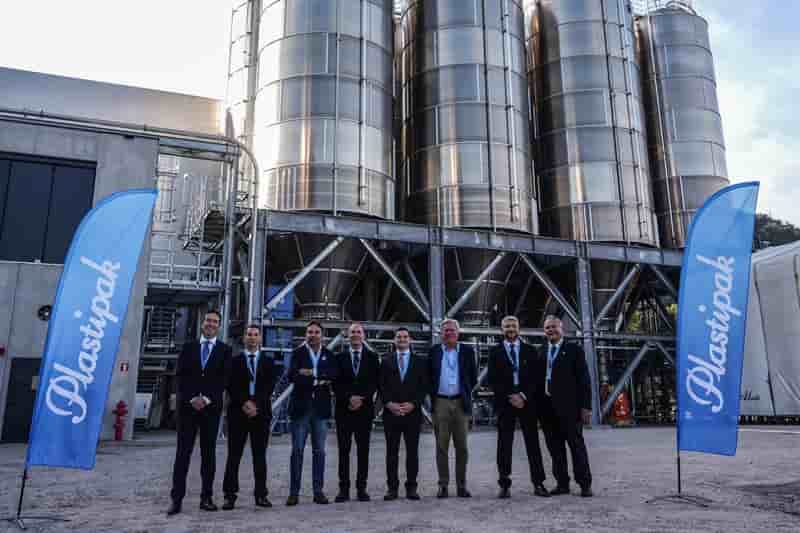
AMUT’s Ecotech division has been awarded a contract to design and supply an advanced plastics recycling plant for the largest post-consumer polyethylene recycling facility in Australia, converting locally collected curbside materials into high-quality food grade rHDPE and rPP resin.
AMUT has been selected as turn key supplier for Pact Group and Cleanaway Choir’s new project, including a new plastic waste recycling plant in Victoria, which will trade the material produced to supply the PRF (Plastic Recovery Facility) and two washing lines for PE post-consumer. Recycling-plastic-waste – Textile-from-PCR
The plant is expected to process 20,000 Tpa up to 24,000 Tpa and will sort out valuable materials such as:
- Natural colour HDPE containers
- Coloured HDPE containers
- PP containers
These materials selected from the PRF will be stored in separate buffers and will be properly and automatically dosed to two washing lines, the first one with an output of 2,000 kg/h dedicated to natural colour HDPE containers and the second one with the same output dedicated to colour HDPE or PP containers.
The AMUT washing lines guarantee a high purity rate for the final PE flakes, as well as the removal of organic and inorganic contaminants and the separation of PSA labels and glue. Recycling-plastic-waste – Textile-from-PCR
-Coveris launches next generation stretch film with 30% recycled content
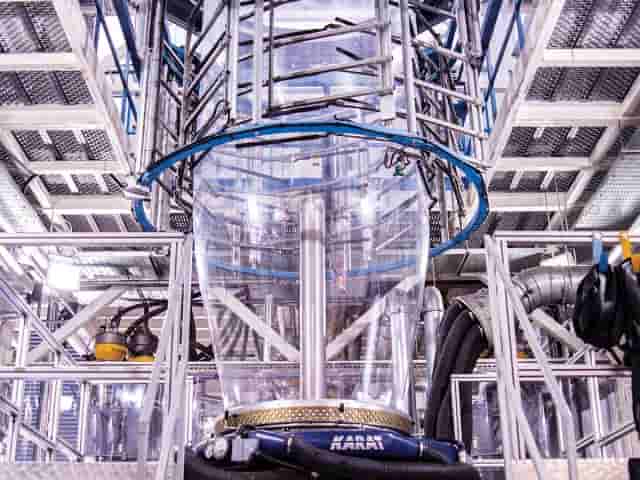
Leading sustainable packaging company Coveris, has today launched a range of lightweight, next generation stretch films containing a minimum 30% recycled content to reduce reliance on virgin plastics and meet forthcoming UK Plastic Packaging Tax requirements. Recycling-plastic-waste – Textile-from-PCR
Offering both hand and pre-stretch solutions, the new films are the thinnest recycled stretch films currently available. Made from a blend of recycled polythene, recovered from post-consumer waste streams and Coveris’ own circular manufacturing process, the low-gauge, high-performance films deliver the same packing and transportation efficiencies as virgin materials, as well as maintaining full recyclability.
With the UK Plastics Packaging Tax set to come into force in April 2022, all plastic packaging, including tertiary packaging like stretch wrap, will require a minimum of 30% recycled content, which will otherwise be subject to taxation of £200 per tonne.
Developed at Coveris’ state-of-the-art extrusion facility and Film Science Lab in Winsford, the films are the latest in a recent line of recycled product innovations that also support the businesses’ target of zero net waste. Utilising Coveris’ own post-industrial waste as feedstock via its recycling facility and independent reprocessing status, all waste now leaves the Winsford site as a recyclable product.
Commenting on the launch, Mike Richardson, Technical Director at Coveris Winsford said “Supporting our vision of NO WASTE and wider industry sustainable goals, the new solution offsets the need for virgin plastics whilst maintaining full recyclability, as well as being fully compliant with UK Plastics Packaging Tax legislation. This will allow our customers to take advantage of the benefits of efficient palletised transportation using plastic tertiary packaging without compromising their sustainability and circular economy goals.” Recycling-plastic-waste – Textile-from-PCR
-Carbon and plastic waste: sorting workable solutions from the confusion and complexity
THE GREAT NEWS, as I discussed last month, is that the more 100 countries, including the US, are thought to favour a treaty being proposed at the next UN Environment Assembly that would set targets for reducing plastic waste in the environment. Recycling-plastic-waste – Textile-from-PCR
A date in has now been set for the meeting – 28 February until 2 March 2022 – with details of the event available here.
Let’s hope the meeting keeps in mind that the two challenges are separate – carbon production from making polymers and plastic waste.
One of the meeting’s proposed action points is for “both upstream and downstream policies that aim to keep plastics in the economy and out of the environment, reduce virgin plastic production and use, and decouple plastic production from the consumption of fossil resources.”
A great deal of tomorrow’s demand, beyond the frippery of say single-serve pouches and excessive use of packaging for aesthetic-only reasons, must be met because it will greatly add to the quality and quantity of human life.
In an ideal world, it would be great if we can break the link with fossil fuel feedstocks, provided a) the alternative sources of feedstocks reduce rather than add to carbon output and b) these alternative feedstocks can be sufficient in scale to meet tomorrow’s demand. Recycling-plastic-waste – Textile-from-PCR
Think of all the hundreds of millions more people whom we all hope will emerge out of extreme poverty over the next 20 years.
Such an escape needs to involve access to modern-day healthcare which consumes a great deal of what may have to be made from single-use plastics, such as disposable hospital gowns and sheets.
Re-usable gowns and sheets? Sure, but what’s the carbon impact, versus the carbon impact of plastics, of sterilising gowns and sheets?
Could the modern healthcare system cope with the cost of the switch back to sterilising gowns and sheets, especially in the developing world where government budgets are a lot smaller than in the rich world?
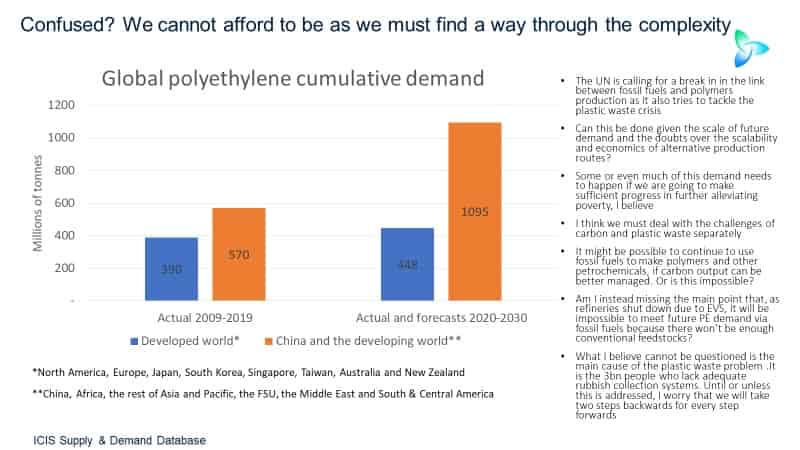
The above chart is a reminder of the potential scale of polyethylene (PE) demand that needs to be met up until 2030 – and of course beyond that year as well -with most of the growth concentrated in China and the developing world.
If we break the link between fossil fuels and polymers production, as the UN suggests, how will we adequately supply PE to meet essential end-use requirements?
Managing carbon in the fossil fuel-based value chain
Let’s think next think about that great wealth enabler, the mobile phone, as just one of many other examples. What would the cost of distribution, and therefore the cost of the product itself, look like if the plastic that it comes wrapped in had to be collected and recycled?
As for the durable plastics that go into the phones themselves as we look beyond just PE, could their production in the necessary volumes become very difficult if there is a major legislative push to break the links between the production of plastics and fossil-fuel feedstocks?
Or am I entirely wrong? Very possibly, yes. But nobody really knows because we are in entirely uncharted territory as we try to reinvent today’s plastics or polymers value chains.
Because of the complexities and uncertainties, I believe we must not shy away from keeping everything on the table, every option, including continued use of fossil fuels to make plastics. Recycling-plastic-waste – Textile-from-PCR
You can make an extremely compelling argument that extracting oil or gas out of the ground and refining or processing the stuff, turning it into polymers and moving it halfway around the world is very, very bad when it comes to carbon.
-PCR VS Virgin PET: What’s Best For Your Brand?
EPOPACK produces both Post-Consumer Recycled PET and Virgin PET bottles and jars. Choosing between the two is like picking a favorite child. However, they are each uniquely suited to the different goals of specific hair and skin care brands.
Both are quite eco-friendly. PET is the most recyclable plastic. And PCR (from PET) obviously won’t add more waste to the world. Recycling-plastic-waste – Textile-from-PCR
Let’s briefly compare them so you can make a more informed choice for your next product launch.
- PCR Packaging Is More Expensive
Waste reduction isn’t just a slogan. If you want that benefit, it will cost more than Virgin (new) PET.
Now, a PCR package does not have to be made from 100% PCR plastic. In other words, it could be a combination of some PCR and some Virgin PET.
However, after many tests we have discovered that 100% PCR is best for quality control.
Plus, used PET material must be collected and sorted after-market to make PCR, resulting in higher labor costs than simply making new PET.
- Virgin PET Is Standardized & Has Higher Clarity
While both materials rival glass in terms of beauty, PET plastic can be completely clear. To put it another way, it can be a glass substitute.
Whereas the PCR material is somewhat milky.
Due to the PCR creation process, there is also color variation from package to package. Depending on how you want to frame your marketing, this variance could be used as an advantage (eg. “each piece is unique”).
- Both Can Be Done In EPOPACK’s “Heavy Wall” Luxury Style
Neither material involves any compromise on beauty. Recycling-plastic-waste – Textile-from-PCR
Our special “heavy wall” construction is shatterproof, with a sturdy feel in the hand. It has a commanding presence on the shelf. And all the bottles and jars can be easily customized by spray color coating, printing, and hot stamping.
The bottom line is that, if your brand story involves reducing waste and the Green lifestyle, then you may have to plan for the higher cost of PCR. Or you can get fully-recyclable Virgin PET packaging for a lower cost but with a more standardized and “glass-like” appearance.
Made With A Conscience, In Taiwan
EPOPACK is a 30+ year Taiwanese manufacturer of eco-friendly cosmetic packaging. Our focus is on customizable PET and PCR containers that are both elegant and sustainable. Recycling-plastic-waste – Textile-from-PCR

-Super recycling in Romania – annual turnover doubled despite pandemic
Countless companies are facing major financial tasks in the wake of the Covid-19 crisis. This also applies to SuperBon, a recycling company in north-western Romania – albeit an optimistic one. Sales there have increased by almost 100% compared to 2020. And an end to this trend is not yet in sight. The consistently high demand from the injection molding industry is the main factor driving this sustainable trend and the industry’s appetite for recyclates currently seems to know no limits. The rapidly rising oil prices are doing the rest. The production of new plastics is as expensive as it has been for a long time. Recycling-plastic-waste – Textile-from-PCR
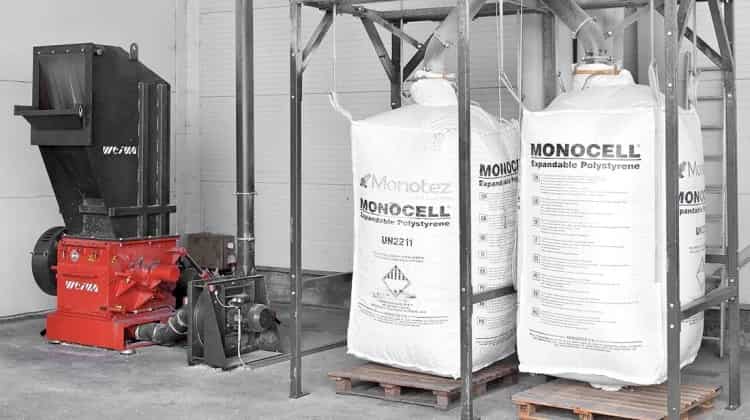
Since 2015, SuperBon has been using WEIMA shredders and granulators as their reliable partner for its reduction. Production has now been expanded again.Since the company was founded in 2006, SuperBonhas two sites where it specializes in the collection and recycling of waste which primarily includes plastics, but also cardboard, paper, wood, metal, electronic waste (WEEE) and textiles. In Oradea, a city close to the border with Hungary, high-quality regranulate made from engineering plastics such as PS, ABS or PC is manufactured on a production area of 1,300 m2. This precious raw material is then sold in Romania, but also in large parts of Europe. Due to the high demand, SuperBon has even been exporting its products to China for some time now. Recycling-plastic-waste – Textile-from-PCR
SuperBon on expansion course –with EU funding
In the majority of recycling processes, the shredding, i.e. granulation of waste material plays a central role in its processing and the subsequent quality of the regranulate. This is the reason why in 2015 SuperBon decided to use rugged WEIMA granulation technology from Germany. Today, the Romanian recycling company is the proud owner of three machines, one pre-shredder (WLK 1000) and two secondary shredders (WSM 450/600 cutting mill, WNZ 200/600 granulator). The project was financed using funding from the European Union. When applying for EU funds, WEIMA was on hand to provide expert advice as a partner. SuperBon Commercial Manager, Ancuěa Magda, comments: “In the near future, we will try and use more funding to invest in high-quality equipment. We want to become even more productive.” Recycling-plastic-waste – Textile-from-PCR
-How this small textile manufacturer is recycling plastic water bottles to make fashion sustainable
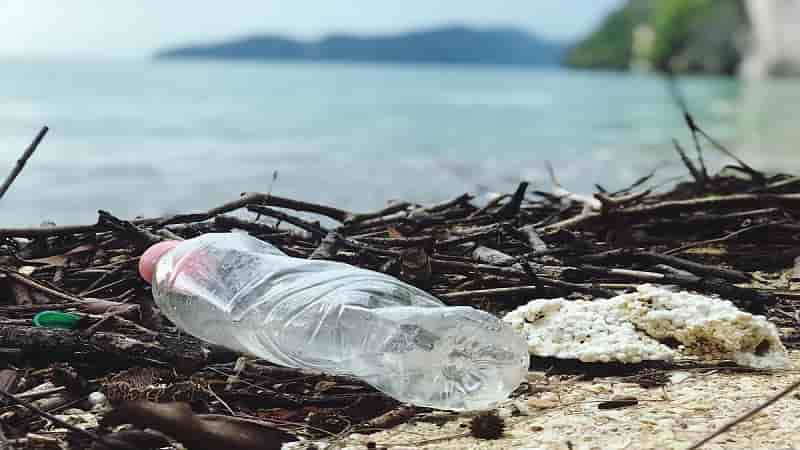
Ease of Doing Business for MSMEs: Most plastics live forever. They break down into millions of tiny particles but never gets decomposed. According to the UK-based Allen Macarthur Foundation, there could be more plastic than fish in the oceans by 2050.
Ease of Doing Business for MSMEs: Mumbai-based Kapil Bhatia has been in the textile sector for more than 20 years, still he hardly knew about ways to reduce carbon emissions by the clothing industry. According to the World Economic Forum, the fashion apparel industry worldwide produces 10 per cent of all humanity’s carbon emissions, dries up water sources, and pollutes rivers and streams. It was only in early 2019 when Bhatia dug deeper into the problem and realised how recycled plastic could be one of the ways for the sector to shed some emissions or waste generated every year. Recycling-plastic-waste – Textile-from-PCR
Most plastics live forever. They break down into millions of tiny particles but never gets decomposed. According to the UK-based Allen Macarthur Foundation, which works on ideas of building a circular economy, there could be more plastic than fish in the oceans by 2050. It stresses on changing the way humans design, use, and reuse plastics.
“I had heard about recycled synthetic fabric but didn’t have much idea about it. In 2019, during a uniform and corporate wear expo in Mumbai, a visitor asked me about making T-shirts, track pants, trousers and blazers out of recycled plastic. While I told him that we could look at manufacturing them but I had to first figure out what it entailed. I found that if you recycle a PET bottle, it goes back to its raw form of plastic pellets. From plastic pellets you can make recycled polyester fibre,” Bhatia, who has been making uniforms and corporate wear since 2000, told Financial Express Online. Recycling-plastic-waste – Textile-from-PCR
To cater to the opportunity of recycled synthetic fabric, Bhatia launched his direct-to-consumer (D2C) recycled fabric brand UNIREC under the parent entity Brandstore India to manufacture blazers, trousers, sleeveless jackets, and T-shirts from recycled PET bottles. The company focuses on stitching the apparel and have outsourced the recycling part. The recycled fabric is sourced from third-party manufacturers who procure yarn from yarn manufacturers who are further connected to multiple recyclers of plastic bottles into the recycled fibre.
Recycling-plastic-waste – Textile-from-PCR
Polymerizing-a-material-in-two-dimensions 09-02-2022