Oil Prices Today: Brent Near $95 and WTI at $91 as US-Iran Tensions Shake Global Markets
Brent and WTI Prices Stay Elevated as Markets Monitor Iran and US Diplomacy
US-Iran oil prices
Oil Prices Today: Brent Near $95 and WTI at $91 as US-Iran Tensions Shake Global Markets
Global oil markets remain under pressure as geopolitical uncertainty in the Middle East continues to drive volatility across commodities, currencies, and stock markets.
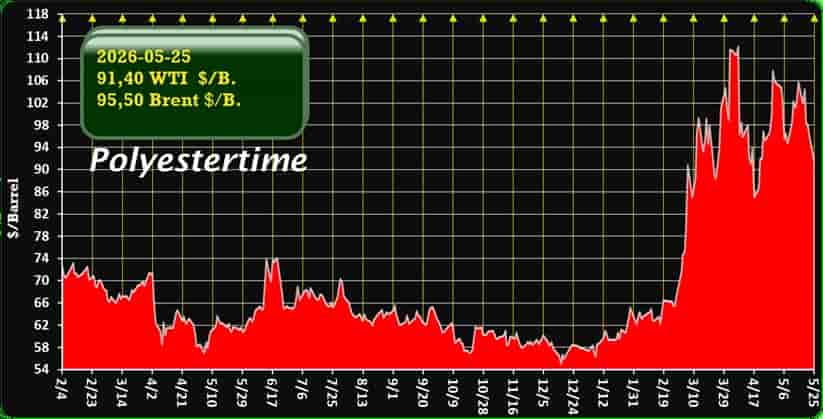
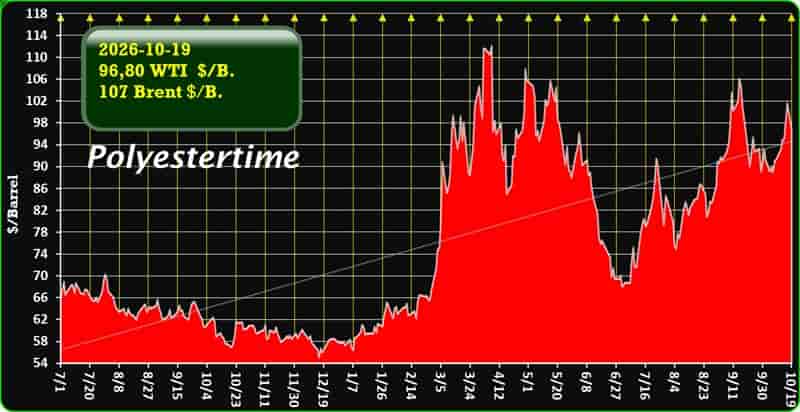
As of today, Brent crude is trading near $95 per barrel, while West Texas Intermediate (WTI) is hovering around $91 per barrel. The recent movements come amid ongoing tensions involving the United States and Iran, with investors closely watching developments around the Strait of Hormuz — one of the world’s most critical oil transit routes.
Recent reports from Reuters indicate that optimism surrounding possible diplomatic progress between Washington and Tehran briefly pushed oil prices lower after weeks of sharp gains. However, traders remain cautious because no final agreement has been reached and supply risks remain elevated.
Why the Strait of Hormuz Matters
The Strait of Hormuz handles roughly one-fifth of the world’s oil shipments. Any disruption in the region can immediately affect global energy prices, shipping costs, inflation, and financial markets.
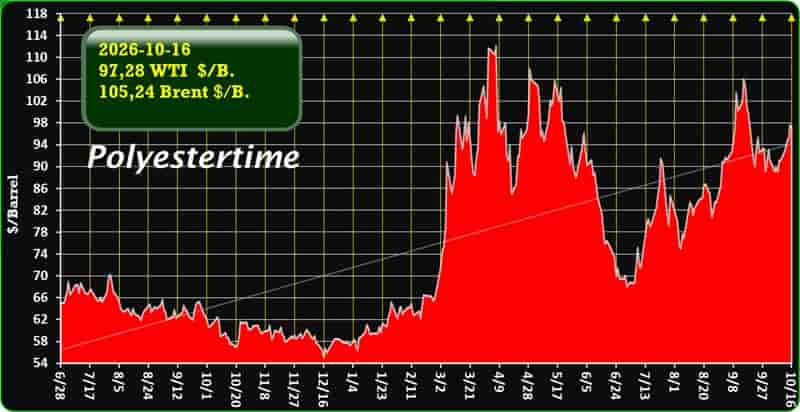
Over the past several months, fears of attacks on shipping infrastructure, vessel seizures, and military escalation have repeatedly caused crude oil prices to surge above the $100 threshold before retreating on diplomatic headlines.
Although recent negotiations have improved market sentiment, analysts warn that the situation remains fragile. Even if a political agreement is eventually reached, normal shipping activity through the Gulf could take weeks or months to stabilize fully.
Why Oil Prices Are Falling From Recent Highs
Earlier this month, Brent crude briefly climbed above $100 per barrel due to fears of prolonged supply disruptions. WTI also rallied sharply as traders priced in geopolitical risk premiums.
Now, oil prices are easing because markets believe there is a growing possibility of:
- A temporary ceasefire
- Partial reopening of shipping lanes
- Reduced risk of immediate supply shortages
- Diplomatic negotiations between the US and Iran
Reuters reported that signs of progress toward reopening the Strait of Hormuz helped push Brent lower toward the high-$90 range, while WTI dropped closer to $91 per barrel.
Still, volatility remains extremely high. A single military escalation or failed negotiation could quickly reverse the current trend. US-Iran oil prices
The Impact on the Global Economy
Higher oil prices affect nearly every sector of the global economy.
When crude prices rise:
- Transportation costs increase
- Fuel prices climb
- Inflation pressures intensify
- Central banks may delay interest-rate cuts
- Consumer spending weakens
Several analysts now believe that prolonged instability in the Middle East could keep inflation elevated through the second half of the year. Reuters noted that financial markets are already adjusting expectations for future interest-rate policy because of energy-related inflation risks.
Emerging economies that rely heavily on imported energy are especially vulnerable. India, for example, reacted positively to recent signs of easing tensions because lower oil prices reduce pressure on inflation and trade balances.
What Investors Are Watching Next
Markets are now focused on three critical factors:
1. Diplomatic Talks Between the US and Iran
Any confirmed peace agreement or shipping deal could reduce the geopolitical premium currently built into oil prices.
2. Shipping Activity in the Strait of Hormuz
Even limited disruptions can tighten global supply chains and increase insurance and transportation costs.
3. OPEC+ Production Decisions
Oil-producing nations may adjust output depending on how the geopolitical situation evolves and whether prices continue to decline.
Could Oil Prices Rise Again?
Yes. Despite the recent pullback, the market remains highly sensitive to geopolitical developments.
Several energy analysts warn that if negotiations collapse or shipping disruptions worsen again, Brent crude could rapidly move back above $100 per barrel. Some forecasts published during the peak of tensions projected possible spikes toward $120 or higher under severe supply disruption scenarios.
For now, however, traders appear cautiously optimistic that diplomacy may prevent a larger energy shock.
Final Thoughts
Oil markets remain trapped between diplomacy and geopolitical risk.
Brent crude near $95 and WTI around $91 suggest that investors still see meaningful supply concerns, even as hopes for a diplomatic breakthrough improve sentiment across global markets.
The coming weeks will likely determine whether oil prices continue stabilizing or whether renewed conflict sends energy markets sharply higher once again.
For consumers, businesses, and investors alike, the US-Iran situation remains one of the most important drivers of inflation and financial market volatility in 2026.
FAQ
Why are oil prices reacting to the US-Iran conflict?
The Middle East is a major global oil-producing region, and tensions involving Iran can disrupt shipping routes and reduce supply availability.
What is the current price of Brent crude?
Brent crude is currently trading around $95 per barrel.
What is the current price of WTI crude?
WTI crude is trading near $91 per barrel.
Why is the Strait of Hormuz important?
The Strait of Hormuz is one of the world’s most important oil transit chokepoints, carrying roughly 20% of global oil shipments.
Could oil prices return above $100?
Yes. Analysts warn that renewed military escalation or failed negotiations could quickly push crude prices higher again.
Oil Prices Surge as US-Iran Tensions Shake Global Markets: Brent Above $105
More….