Global oil price surge cautions markets: Brent at ~$80–85, WTI ~$73–78 as Middle East tensions disrupt supply and reshape investor sentiment and economic outlook 03-03-2026
Oil Price Trend Today: March 3, 2026
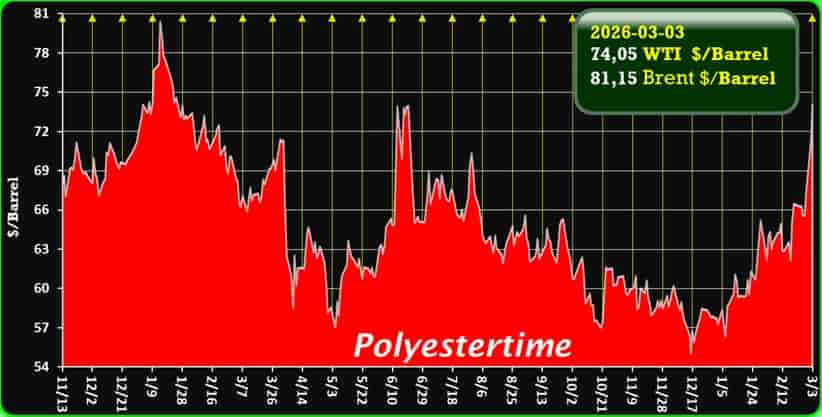
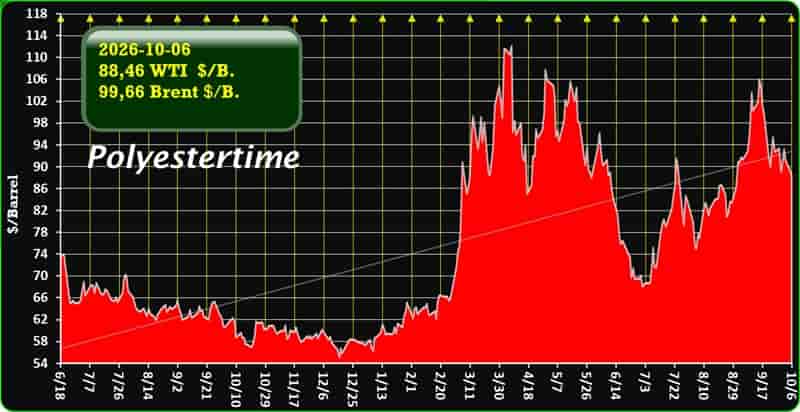
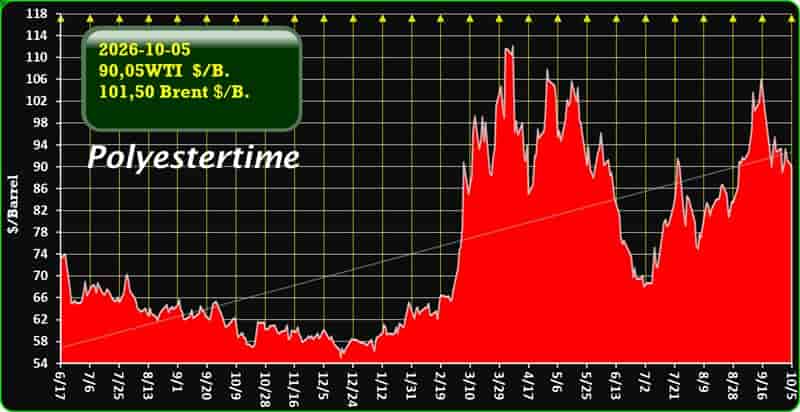
As of March 3, 2026, benchmark oil price levels show Brent crude trading in the ~$80–85 per barrel zone and West Texas Intermediate (WTI) near ~$73–78 per barrel. These prices reflect a notable uptick in crude values following heightened geopolitical tensions and renewed market volatility, compared with recent trading ranges.
Live Oil Prices Snapshot
| Benchmark | Price Range (approx.) | Market Signal |
|---|---|---|
| Brent Crude | $80–85 per barrel | Elevated, volatile |
| WTI Crude | $73–78 per barrel | Support under pressure |
Why Oil Prices Are Moving
The recent oil price surge isn’t random—it’s driven by a mix of fundamental and sentiment-driven factors:
1. Geopolitical Tensions: Middle East Conflict
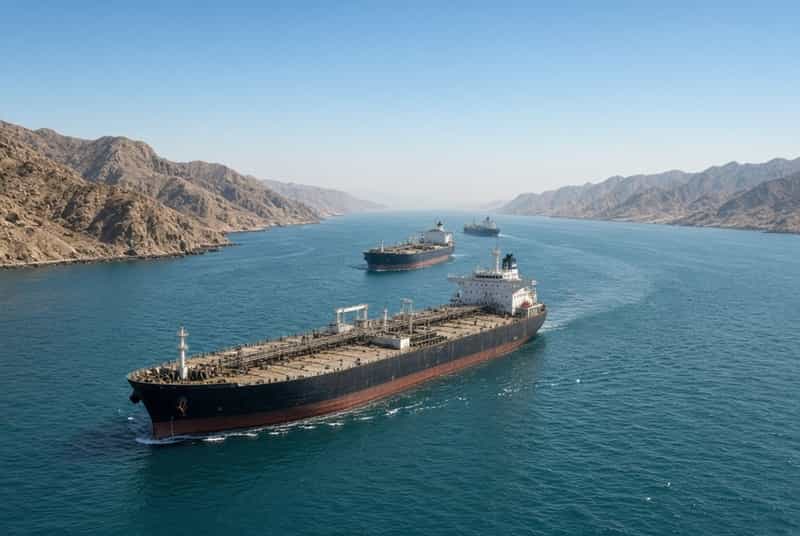
A key catalyst for higher oil prices has been the escalating conflict in the Middle East, especially actions involving the U.S. and Israel against Iran and subsequent Iranian responses affecting energy corridors. These developments have prompted shipping disruptions near the Strait of Hormuz, a critical transit route for roughly one-fifth of global crude exports.
Market participants are pricing in increased supply risk, raising crude values amid fears of constrained flows. Analysts have even warned that prolonged closure or disruption of Hormuz could push oil prices much higher, although prices are not yet at those extremes.
This geopolitical uncertainty amplifies risk premiums in prices, meaning markets are willing to pay more for oil today to hedge against potential supply shortages.
2. Global Supply and Demand Dynamics
On the supply side, OPEC+ nations have responded by pledging modest production increases—a strategic attempt to counteract price spikes and reassure markets.
However, the overall landscape remains mixed. Some forecasts prior to recent upheavals anticipated a bearish trend through 2026 due to soft demand growth and ample supply, which could see Brent average well below current levels if geopolitics stabilize.
Demand remains robust in parts of Asia and emerging markets, but fluctuations in global economic activity (including slower growth in China and Europe) temper upward pressure.
3. Economic Data and Market Signals
Oil prices are not only influenced by supply/demand balances but also by broader macroeconomic indicators:
-
Inflation expectations—higher energy costs tend to feed into headline inflation.
-
Central bank policy—persistent geopolitical tension could delay interest rate cuts.
-
Industrial demand—indicators of manufacturing activity influence short-term crude consumption expectations.
Investor behavior reflects a flight to quality during stressful periods: equities in travel and discretionary sectors weaken, while energy stocks often outperform. Safe-haven assets such as gold and the U.S. dollar have gained ground amid heightened volatility.
4. Investor Sentiment and Market Psychology
Sentiment plays an outsized role in the oil price today. Speculators and hedgers alike are recalibrating their views in light of geopolitical uncertainty. Fear of supply disruption increases speculative buying, amplifying price moves:
-
Bullish sentiment: Positions that anticipate future price rises.
-
Risk-off shifts: Reduced appetite for high-beta assets, strengthening energy stocks and commodities.
More…