Oil Price Surges as Middle East Tensions Push Brent Toward $115
The Surge in Global Energy Markets
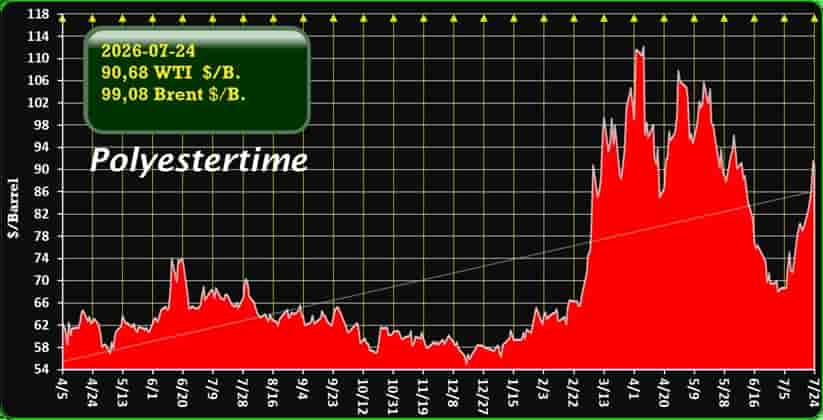
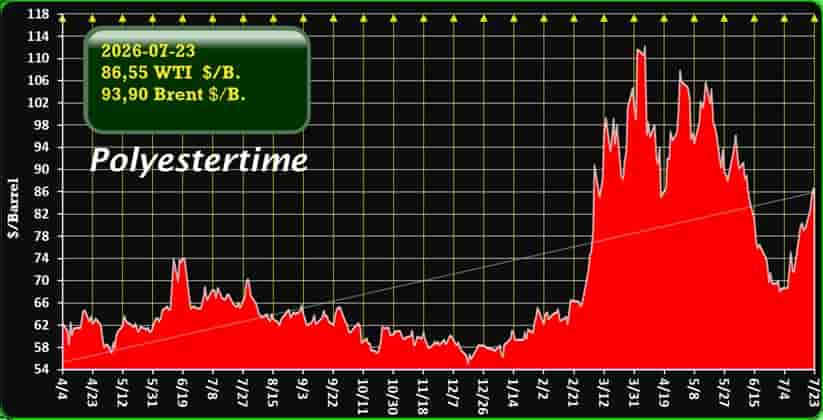
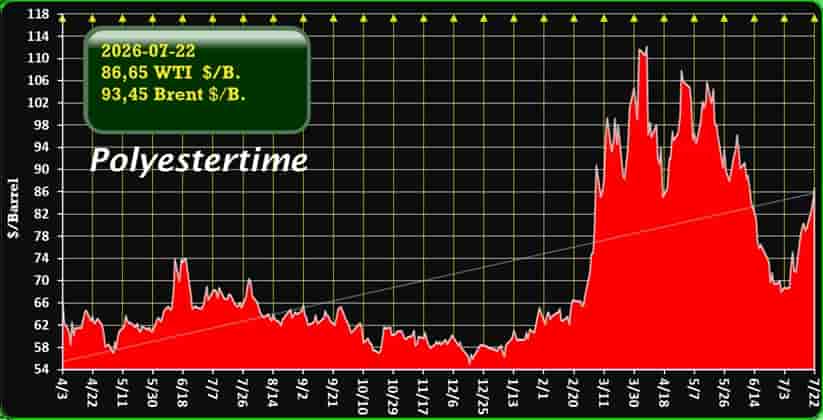
As of April 30, 2026, the global energy landscape is witnessing a significant rally. The oil price has become the focal point of financial discussions as Brent crude climbs into the $105–$115 per barrel range, while West Texas Intermediate (WTI) follows closely, hovering between $105 and $110 per barrel.
This upward momentum is not merely a fluctuation but a response to a “perfect storm” of supply-side constraints and heightened geopolitical anxiety. Investors are increasingly concerned that the stability of the global energy map is shifting, leading to a bullish sentiment that hasn’t been seen in months.
Current Market Snapshot: Brent vs. WTI
The divergence and movement between the two primary benchmarks provide a clear picture of the current pressure.
| Benchmark | Price Range (USD/B) | Trend |
| Brent Crude | $105 – $115 | Strongly Bullish |
| WTI Crude | $105 – $110 | Bullish |
| OPEC+ Basket | $102 – $108 | Steady Increase |
Geopolitical Volatility: The Middle East Factor
Drawing inspiration from recent reports, such as those on OilPrice.com, the primary driver behind the current oil price spike is the spiraling risk in the Middle East. Supply routes that were once considered secure are now facing unprecedented threats.
When geopolitical developments involve major producers or transit chokepoints like the Strait of Hormuz, the market reacts with a “risk premium.” Today, that premium is driving prices toward the $120 mark as traders fear a physical disruption in supply that could take months to resolve.
OPEC+ Actions and Supply Constraints
While geopolitical tension acts as the catalyst, the foundational support for the high oil price remains the disciplined policy of OPEC+. The alliance has signaled a “wait-and-see” approach, refusing to flood the market with additional barrels despite pleas from consuming nations.
-
Production Quotas: Most member states are sticking to strict output limits.
-
Spare Capacity: Concerns are mounting regarding how much “ready-to-use” oil is actually available if a major outage occurs.
-
Inventory Levels: Global crude stocks are currently below five-year averages, leaving no buffer for supply shocks.
Economic Data and Global Demand
Interestingly, the oil price is rising despite mixed economic signals from major economies. While manufacturing data in some regions suggests a slowdown, the demand for aviation fuel and petrochemicals remains robust.
In emerging markets, energy consumption continues to outpace efficiency gains. This persistent demand, coupled with the move away from certain high-carbon alternatives, has kept a firm floor under the oil price. Investors are weighing the risk of “demand destruction”—where prices become so high that consumption drops—but so far, the market remains resilient.
Investor Sentiment and Market Psychology
The sentiment on Wall Street and in London is currently skewed toward the upside. Hedge funds have increased their long positions in crude oil futures, betting that the oil price has more room to grow before hitting a ceiling. The narrative of “scarcity” has overtaken the narrative of “transition,” at least in the short term.
Short-Term Outlook: What Lies Ahead?
Looking forward, the oil price is expected to remain volatile. If the situation in the Middle East escalates further, a breach of the $120 level for Brent is highly probable. Conversely, if diplomatic resolutions emerge, we could see a technical correction back toward the $95 range.
Key Factors to Watch:
-
Official statements from the Saudi Energy Ministry.
-
Weekly EIA inventory reports from the United States.
-
Inflation data from the EU and US, which may influence central bank interest rates.
Impact on the Global Economy
A sustained oil price above $100 has profound implications. For the global economy, it signals a renewed fight against inflation. Energy costs are a primary input for almost every industry; as transport and manufacturing costs rise, so do the prices of consumer goods.
For the energy transition, high fossil fuel prices act as a double-edged sword. While they make renewable energy projects more economically attractive, they also drain the capital that businesses need to invest in new green technologies.
Conclusion
The current oil price trend reflects a world grappling with insecurity and tight balances. As Brent nears $115, the global market must prepare for a period of high costs and strategic maneuvering. Whether this leads to a full-scale energy crisis or a temporary spike depends entirely on the geopolitical developments of the coming weeks. For now, the “bull” is firmly in control of the oil market.
Oil Price Holds Strong Above $100 Amid Global Tensions
More…