Oil Prices and the Iran War: Why Brent and WTI Are Cooling Despite Global Supply Risks
Oil prices Iran war
Oil Prices and the US-Iran War: Why Brent and WTI Are Falling but Risk Remains
Key takeaway
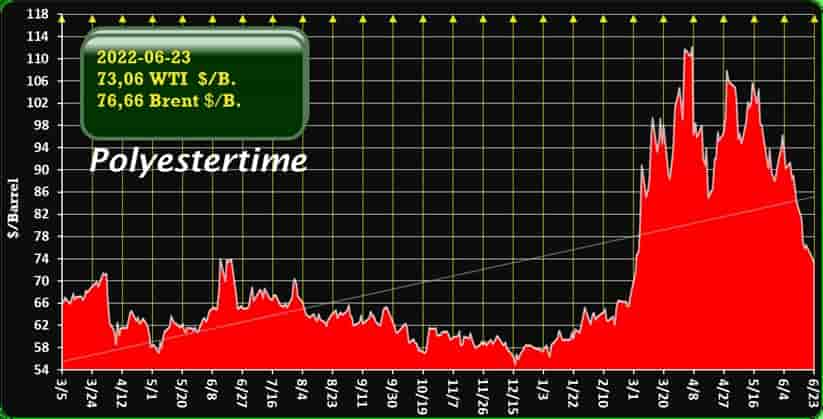
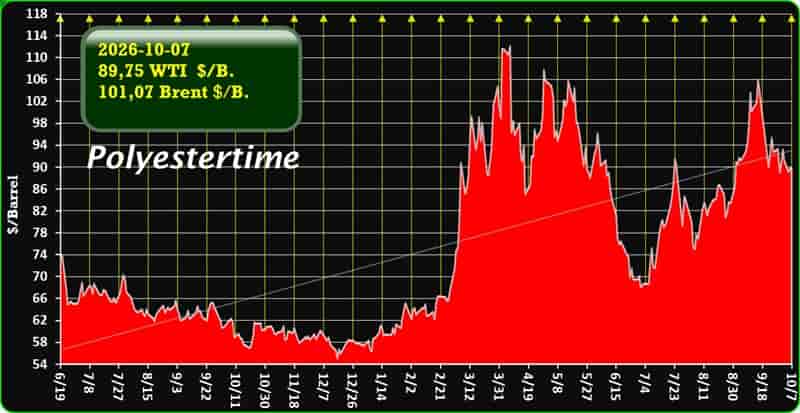
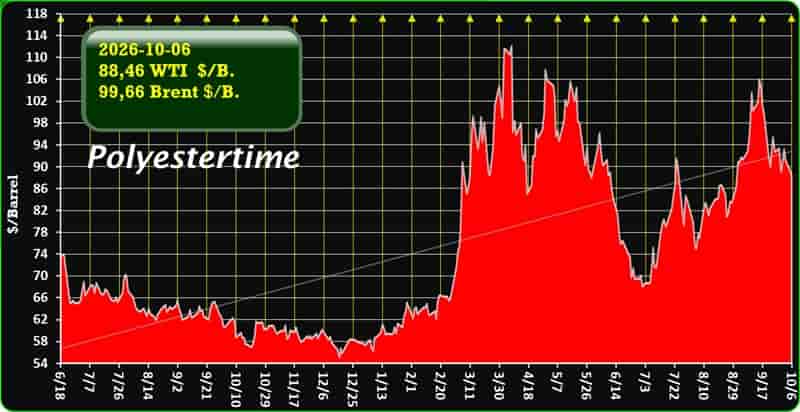
Oil prices have fallen back after weeks of intense volatility linked to the US-Iran war and disruption fears around the Strait of Hormuz. Brent crude is now trading around $76 per barrel, while WTI is around $73 per barrel. That is a major shift from the higher levels seen when markets feared a prolonged supply shock.
The decline does not mean the crisis is over. It means traders are pricing in a lower probability of a worst-case disruption. The market is now balancing two forces: hopes for diplomatic progress and the still-real risk that shipping, supply and inventories remain vulnerable. oil prices Iran war
Why oil prices are falling now
The recent fall in crude prices is mainly linked to improving expectations around US-Iran diplomacy. Markets react quickly when the risk of escalation appears to decline, especially when the conflict involves a region that is central to global energy flows.
For oil traders, the key issue is not only military action itself. It is whether barrels can move safely, whether tankers can pass through critical routes, and whether refiners can rely on stable supply. When headlines suggest progress toward a truce or peace framework, the risk premium built into oil prices tends to shrink.
That is what appears to be happening now. Brent and WTI have moved lower because investors see a better chance that the worst disruption scenario may be avoided.
The Strait of Hormuz remains the central risk
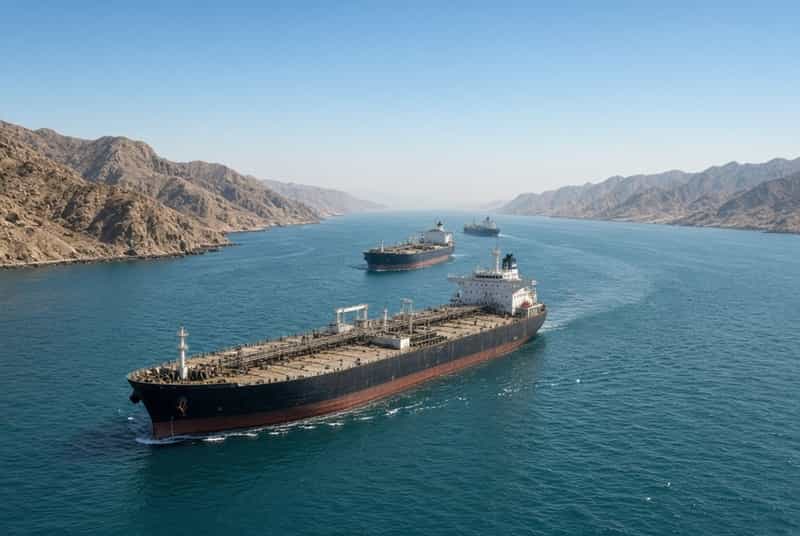
The Strait of Hormuz is still the most important variable for oil markets. It is one of the world’s most sensitive energy chokepoints, and any sustained disruption can affect crude oil, liquefied natural gas and refined products.
Even if diplomacy improves, shipping conditions may not normalize immediately. Tanker operators, insurers, governments and energy buyers all need confidence that vessels can move safely. If traffic remains restricted or insurance costs stay elevated, oil supply may remain tighter than headline prices suggest.
This is why the market has not completely removed the geopolitical risk premium. Prices have fallen, but they have not collapsed.
Brent near $76 and WTI near $73: what the spread tells us
Brent is the global benchmark, while WTI reflects the US market more directly. With Brent around $76 and WTI near $73, the spread remains relatively modest but still meaningful.
A Brent premium usually reflects the global nature of supply risk. When disruption fears are concentrated in the Middle East, Brent often reacts more strongly because it is more directly connected to seaborne crude flows and international refinery demand.
WTI, meanwhile, is influenced by US inventories, domestic production, refinery activity and export flows. If the US market remains adequately supplied, WTI can trade below Brent even during global uncertainty.
Why the market is still fragile
The current price level may look calmer, but the market remains fragile for four reasons.
First, the diplomatic process is not the same as a durable settlement. Any setback in negotiations could quickly restore the war premium.
Second, physical oil flows may take time to normalize. Even after a political breakthrough, shipping lanes, insurance arrangements and refinery supply chains do not reset overnight.
Third, inventories matter. If commercial stocks have been drawn down during the conflict, the market may need time to rebuild a cushion.
Fourth, inflation risk has not disappeared. Lower oil prices help consumers and businesses, but fuel, freight and petrochemical costs can remain elevated if supply chains are still disrupted.
What lower oil prices mean for consumers
Lower crude prices can reduce pressure on gasoline, diesel, jet fuel and transportation costs. However, the impact is not immediate or uniform.
Consumers usually see changes at the pump with a delay. Refining margins, taxes, logistics and local market conditions all affect final fuel prices. This means Brent and WTI can fall quickly while gasoline prices decline more slowly.
For businesses, cheaper oil can ease input costs, especially in transport, manufacturing, chemicals, agriculture and aviation. But companies will remain cautious if the geopolitical backdrop is unstable.
What investors are watching next
Energy investors are likely to focus on five signals over the coming days and weeks.
The first is whether US-Iran talks continue without major setbacks.
The second is whether tanker traffic through the Strait of Hormuz returns toward normal levels.
The third is whether insurers reduce war-risk premiums for vessels operating in the Gulf.
The fourth is whether official inventory data show a rebuild in crude and refined product stocks.
The fifth is whether OPEC and other major producers adjust output policy in response to lower prices.
Together, these indicators will decide whether oil stabilizes near current levels or moves sharply again.
Bullish scenario: oil prices rebound
Oil prices could rise again if diplomacy breaks down, if military activity resumes, or if shipping through the Strait of Hormuz remains constrained.
In that scenario, Brent could regain a stronger geopolitical premium because global buyers would compete for alternative barrels. WTI would likely rise too, especially if US exports increase or domestic inventories tighten.
A renewed escalation would also affect refined products. Diesel and jet fuel could become particularly sensitive because they are closely linked to industrial activity and transport demand.
Bearish scenario: oil prices keep falling
Oil prices could fall further if the truce holds, shipping routes reopen safely, and markets become confident that supply will recover.
In this scenario, traders may continue removing the war premium from Brent and WTI. If demand growth remains moderate and inventories improve, crude could remain under pressure.
However, a rapid fall is not guaranteed. The market still needs proof that physical supply is returning, not just political announcements.
Base case: volatility remains high
The most realistic short-term outlook is continued volatility. Brent around $76 and WTI around $73 suggest that traders are no longer pricing in a worst-case war scenario, but they are not treating the situation as fully resolved either.
Oil markets are forward-looking. They move on expectations before the physical data fully confirm the story. That makes prices vulnerable to sudden reversals whenever new headlines emerge.
For now, the market message is clear: the panic premium has faded, but the risk premium has not disappeared.
Conclusion
Oil prices are lower because the market sees a better chance of US-Iran de-escalation. Brent near $76 and WTI near $73 show that traders are discounting a more stable supply outlook than they were only days ago.
But the situation remains delicate. The Strait of Hormuz, tanker traffic, insurance costs, inventories and diplomatic follow-through will determine whether this price decline is sustainable.
For consumers, businesses and investors, the key point is simple: oil has become cheaper, but not risk-free. Until energy flows normalize and the political settlement becomes durable, crude markets are likely to remain highly sensitive to every development in the US-Iran conflict.
Oil Prices Hold Near $79 Brent as U.S.–Iran War Risk Keeps Markets on Edge
More…