Oil prices Iran war: Brent near $73 as markets weigh Hormuz risk
Oil prices Iran war: Brent near $73 as markets weigh Hormuz risk
Oil prices are trading in a nervous but less extreme range as markets reassess the impact of the US-Iran war on global crude supply.
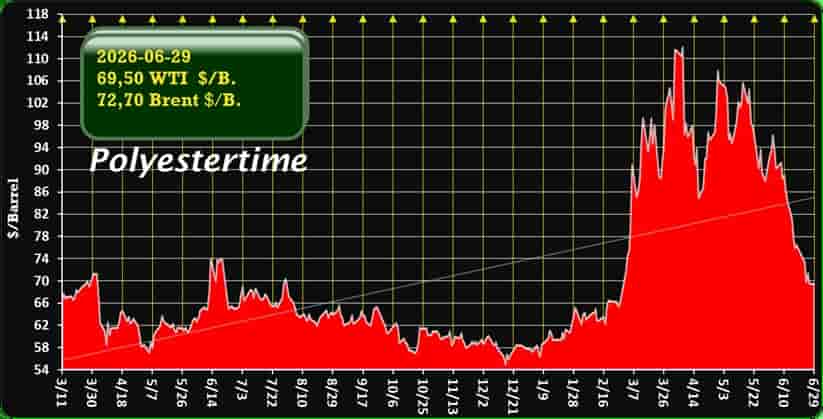
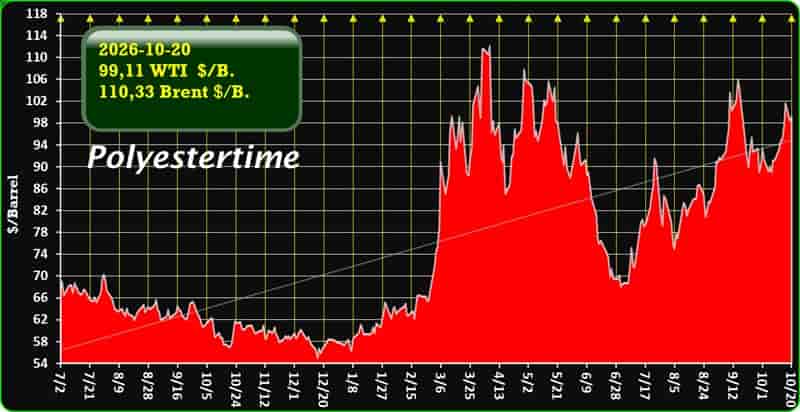
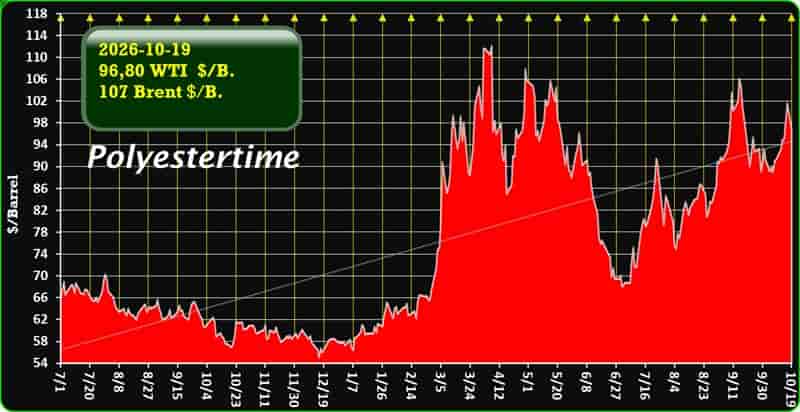
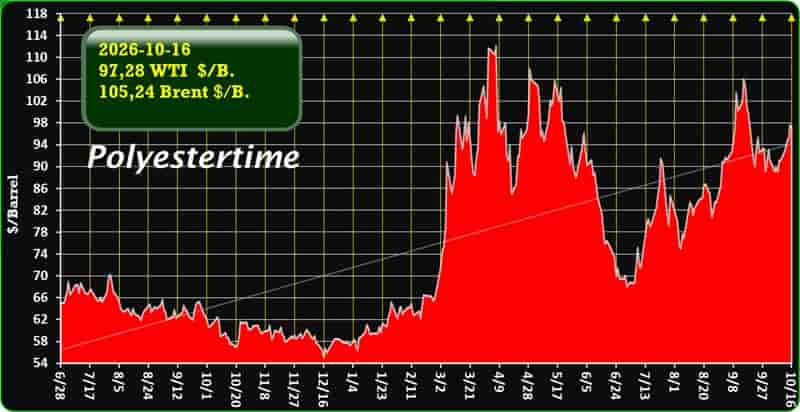
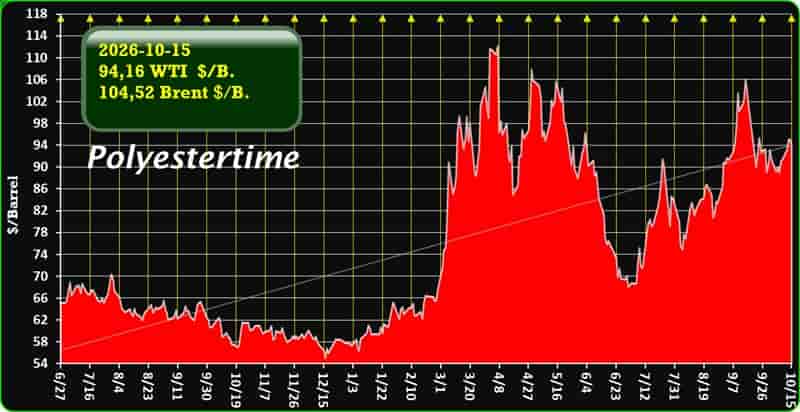
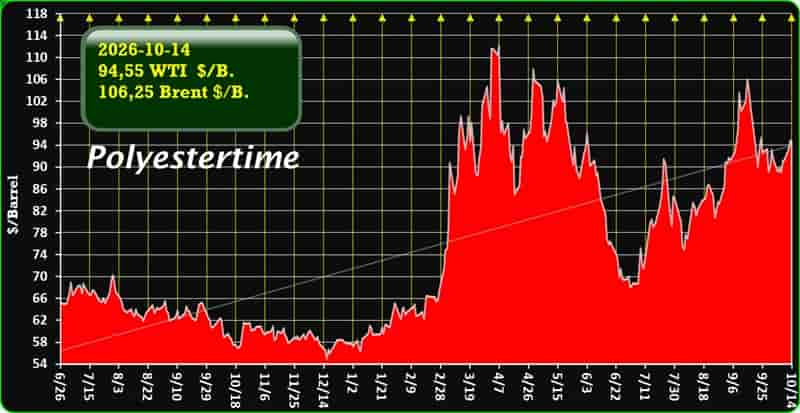
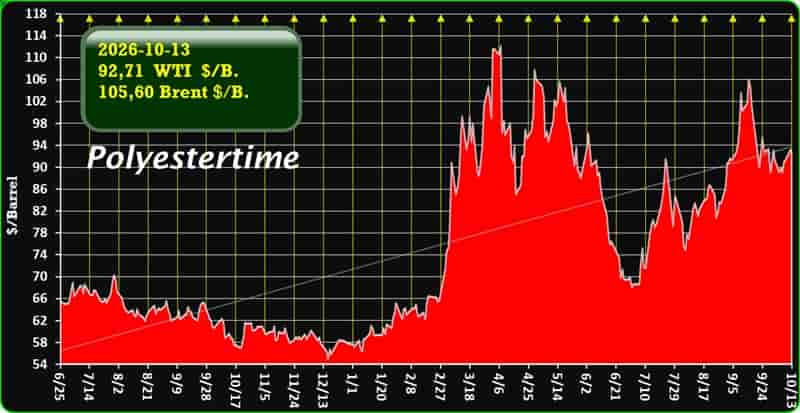
Brent crude is currently around $73 per barrel, while WTI is around $67 per barrel. That is far below the panic levels seen earlier in the conflict, but still high enough to show that traders have not removed the geopolitical risk premium from the market.
The key question is no longer only whether oil can physically move through the Middle East. The bigger question is whether buyers, shipowners, insurers and refiners believe the route is stable enough to operate normally again.
Why oil prices have cooled
Crude prices have eased because the worst-case scenario has not fully materialized. The market had feared a prolonged closure of the Strait of Hormuz, the narrow waterway that links the Persian Gulf with global energy markets.
More vessels have recently been able to move through the area, reducing immediate fears of a complete supply shock. This has helped push Brent and WTI back toward more manageable levels.
However, the decline in prices should not be confused with a return to normal. The market remains sensitive to every new military exchange, diplomatic statement and shipping incident.
The Strait of Hormuz remains the central risk
The Strait of Hormuz is still the main pressure point for oil prices.
Before the conflict, it was one of the most important oil transit routes in the world. A meaningful disruption there affects not only crude exports from the Gulf, but also freight costs, insurance premiums, refinery planning and fuel prices in importing regions.
Even if the route is technically open, the market needs confidence. Tanker operators need safety guarantees. Insurers need clarity. Refiners need reliable delivery schedules. Without those conditions, oil flows may resume slowly rather than immediately.
This is why Brent can remain supported near $73/b even when prices have fallen from earlier highs. oil prices Iran war
US-Iran tensions keep a risk premium in crude
The US-Iran war has changed the way traders price oil.
In a normal market, crude prices are driven mainly by supply, demand, inventories and OPEC+ policy. In the current environment, geopolitical risk is again a major pricing factor.
Any renewed military strike, drone attack, blockade threat or maritime warning can quickly lift prices. On the other hand, signs of diplomacy, ceasefire stability or safer shipping routes can push prices lower.
This creates a market that is not necessarily trending in one clear direction, but reacting sharply to headlines.
Brent and WTI are telling slightly different stories
Brent is the global benchmark and is more exposed to international shipping and Middle East supply risk. That is why it usually reacts more directly to events around the Strait of Hormuz.
WTI reflects the US crude market more closely. It is influenced by US production, inventories, refinery demand and domestic logistics. WTI near $67/b suggests that the US market is less stressed than the global seaborne market, but still not immune to geopolitical shocks.
The spread between Brent and WTI also matters for refiners and petrochemical producers. A wider Brent premium can raise feedstock costs for many import-dependent economies, while US-linked buyers may benefit from relatively cheaper domestic crude.
Demand is limiting the upside
One reason oil has not returned to crisis highs is demand.
High prices earlier in the conflict already hurt consumption expectations. When fuel becomes expensive, households reduce discretionary travel, industrial users become more cautious, and some governments release subsidies or adjust purchasing plans.
At the same time, weaker demand in parts of Asia and slower global industrial activity can reduce the market’s ability to sustain very high crude prices.
This does not remove the risk of a price spike. But it does mean that every rally must face the same question: can demand absorb higher prices for long?
What could push oil prices higher again
Oil prices could move higher if the security situation deteriorates.
The most important bullish triggers are:
- renewed US-Iran military escalation
- a serious attack on tankers or port infrastructure
- renewed restrictions in the Strait of Hormuz
- higher insurance and freight costs
- lower-than-expected exports from Gulf producers
- stronger summer fuel demand
- new sanctions or enforcement measures affecting Iranian supply
If several of these factors occur together, Brent could quickly move back above recent levels.
What could push prices lower
Oil could move lower if traders gain confidence that supply routes are stabilizing.
The main bearish factors are:
- a durable ceasefire or diplomatic framework
- safer and more predictable tanker movement
- higher exports through the Gulf
- weaker global demand
- rising non-OPEC supply
- stronger inventory rebuilding
- reduced shipping and insurance costs
In that scenario, Brent could remain near the low-$70s or move lower, while WTI could remain under pressure if US inventories rise.
Impact on petrochemicals and plastics
For petrochemical producers, the current oil price environment is uncomfortable but not catastrophic.
Brent near $73/b is high enough to keep feedstock costs under pressure, especially for naphtha-linked producers in Europe and Asia. However, it is not at the extreme levels that would immediately trigger a broad cost shock across polymers and chemicals.
The bigger issue is volatility. Buyers of polymers, PET, polyester intermediates and packaging materials may delay purchases if they expect crude to fall. Producers, meanwhile, may resist price cuts if they believe geopolitical risk can lift energy and feedstock costs again.
This creates a cautious trading environment across the plastics and chemical value chain.
Outlook: volatility, not stability
The most realistic short-term outlook is continued volatility.
Oil markets have moved away from the most severe panic scenario, but they have not returned to a stable pre-war environment. Brent around $73/b and WTI around $67/b show a market that is still pricing risk, but not pricing a full-scale supply collapse.
For now, the direction of oil prices depends on three variables: the durability of the US-Iran ceasefire process, the safety of navigation through the Strait of Hormuz, and the strength of global demand.
Until all three become clearer, crude oil will remain highly sensitive to political and military headlines.
Key takeaway
Oil prices have cooled, but the US-Iran war continues to shape the market.
Brent near $73/b and WTI near $67/b suggest that traders are no longer pricing the worst-case scenario, but they are not ignoring the risk either. The Strait of Hormuz remains the main flashpoint, and any disruption there could quickly change the outlook for energy, petrochemicals, logistics and inflation.
For industries linked to plastics, chemicals and polyester, the message is clear: feedstock pressure has eased, but price stability has not yet returned.
Sources used for editorial verification: Associated Press, US Energy Information Administration, Trading Economics, The Guardian, Reuters-reported market updates, and major financial news outlets.
Oil Prices Iran War: Brent Near $74 as Hormuz Risk Eases
More…